How Can I Predict Market Volatility in the Forex Market?
Predicting market volatility in the forex market can be a challenging task, but with the right tools and techniques, it is possible to gain insights into potential volatility and adjust your trading strategy accordingly. In this blog post, we will explore some effective methods that can help you predict market volatility in the forex market, enabling you to make more informed trading decisions.
1. Understand Market Fundamentals
Understanding market fundamentals is essential when predicting market volatility in the forex market. Factors such as economic data releases, central bank policies, geopolitical events, and market sentiment can all influence volatility levels. By staying informed about these fundamental factors, you can anticipate potential market movements and volatility spikes.
1.1. Economic Data Releases
Economic data releases, such as GDP reports, employment data, inflation figures, and interest rate decisions, often have a significant impact on currency prices. By monitoring and analyzing these economic indicators, you can gauge market expectations and anticipate potential volatility in the forex market.
1.2. Central Bank Policies
Central bank policies, including monetary policy decisions and statements, can greatly influence currency prices and market volatility. By closely following central bank announcements and understanding the implications of policy changes, you can gain insights into potential volatility in the forex market.
2. Utilize Technical Analysis
Technical analysis is a powerful tool for predicting market volatility in the forex market. It involves analyzing historical price data, chart patterns, and technical indicators to identify potential volatility trends and patterns. By utilizing technical analysis, you can make more accurate predictions and adjust your trading strategy accordingly.
2.1. Volatility Indicators
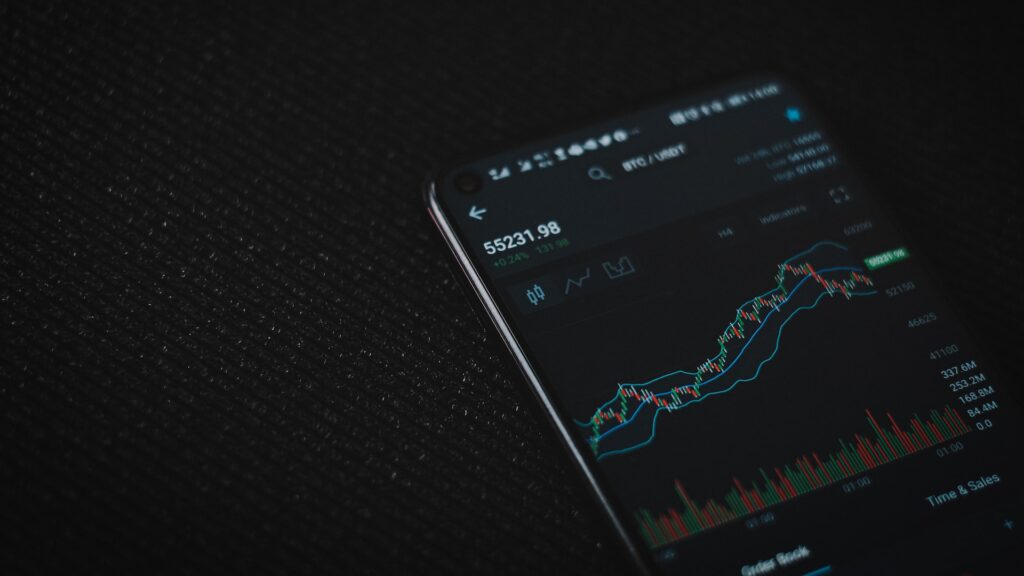
Volatility indicators, such as Bollinger Bands, Average True Range (ATR), or the Volatility Index (VIX), can provide insights into market volatility levels. These indicators measure the intensity of price movements and can help you identify potential volatility spikes in the forex market.
2.2. Candlestick Patterns
Candlestick patterns can also offer valuable information about potential market volatility. Patterns such as doji, engulfing patterns, or harami can indicate indecision or impending market reversals. By recognizing these patterns, you can anticipate potential volatility and adjust your trading strategy accordingly.
3. Monitor Market Sentiment
Market sentiment refers to the overall attitude and perception of traders and investors towards a particular currency pair or the forex market as a whole. By monitoring market sentiment, you can gain insights into potential shifts in volatility levels.
3.1. Sentiment Indicators
Sentiment indicators, such as the Commitment of Traders (COT) report or the Fear and Greed Index, can provide valuable information about market sentiment. These indicators measure the positioning and behavior of market participants and can help you gauge potential volatility in the forex market.
3.2. News and Social Media Monitoring
Monitoring news and social media platforms can give you a sense of prevailing market sentiment. News articles, social media discussions, and expert opinions can all influence trader sentiment and potentially impact market volatility. By staying informed about these sources, you can anticipate shifts in sentiment and volatility in the forex market.
4. Backtesting and Historical Analysis
Backtesting and historical analysis can provide valuable insights into past volatility patterns in the forex market. By analyzing historical data and examining price movements during similar market conditions, you can identify recurring volatility patterns and potentially predict future volatility.
Conclusion
Predicting market volatility in the forex market is a complex task, but by understanding market fundamentals, utilizing technical analysis, monitoring market sentiment, and conducting historical analysis, you can gain valuable insights into potential volatility trends. It is important to note that while these methods can provide useful guidance, they do not guarantee accurate predictions. Remember to continuously educate yourself, adapt to changing market conditions, and refine your trading strategies. With practice and experience, you can enhance your ability to predict market volatility and make more informed trading decisions in the forex market.