

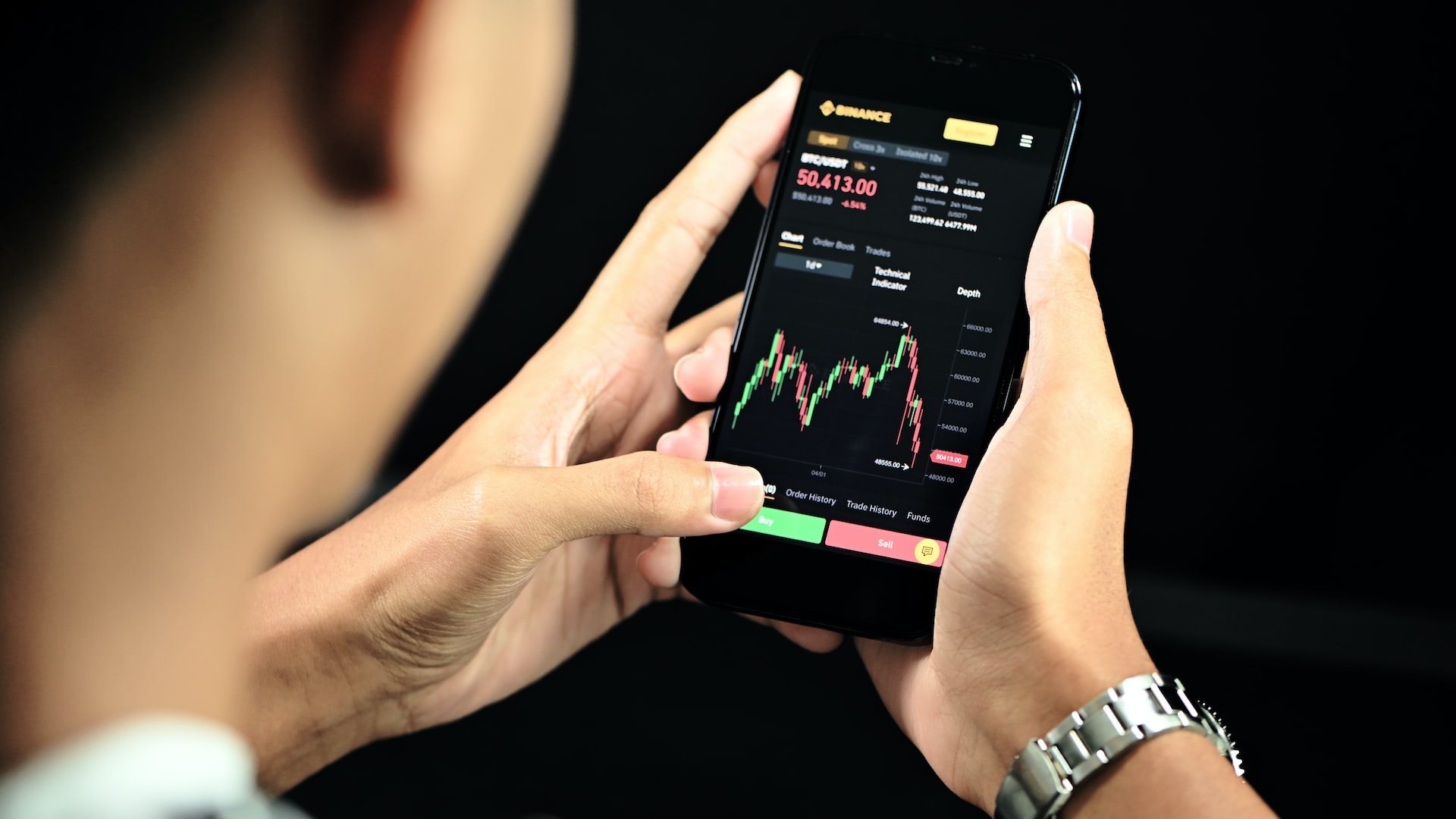
Why is Tracking the Yen Important for Successful Trading in the Tokyo Session?
The Tokyo session, also known as the Asian session, is a crucial time period in the global forex market. To ensure successful trading during this session, it is essential to track and understand the movements of the Japanese yen (JPY). In this article, we will discuss why tracking the yen is important for successful trading in the Tokyo session. Let’s dive in!
1. The Role of the Japanese Yen
The Japanese yen is the official currency of Japan and is widely recognized as a major currency in the forex market. It is the third most traded currency, behind the U.S. dollar (USD) and the euro (EUR). The yen’s importance stems from Japan’s status as a major global economy and its influence on international trade.
2. Influence on Other Currency Pairs
The yen’s movements can have a significant impact on other currency pairs, particularly during the Tokyo session. Here are a few reasons why tracking the yen is crucial for successful trading:
2.1 Safe-Haven Status
The Japanese yen is often considered a safe-haven currency, meaning that investors tend to flock to it during times of market uncertainty or economic instability. When there is increased risk aversion in the market, traders seek refuge in safe-haven assets, including the yen. Tracking the yen allows traders to gauge market sentiment and make informed trading decisions.
2.2 Correlation with Other Currencies
The yen’s movements can have a strong correlation with other major currencies, such as the U.S. dollar (USD), euro (EUR), and British pound (GBP). By tracking the yen, traders can identify potential trends and patterns in these currency pairs. Understanding the yen’s influence on these pairs can help traders anticipate market movements and execute profitable trades.
3. Impact on the Tokyo Session
The Tokyo session is known for its high liquidity and volatility, making it an attractive time for traders. The yen’s movements during this session can significantly impact the overall market dynamics. Here’s why:
3.1 Increased Volatility
When the yen experiences significant movements, it can lead to increased volatility in the Tokyo session. This volatility can create trading opportunities for those who can accurately predict and react to the yen’s fluctuations. Tracking the yen’s performance helps traders identify potential entry and exit points, thereby enhancing their chances of success.
3.2 Pricing and Execution
The yen’s strength or weakness can affect the pricing and execution of trades during the Tokyo session. For example, if the yen strengthens against another currency, it may require fewer yen to buy that currency. This can impact the pricing of currency pairs and influence the execution of trades. By tracking the yen, traders can better understand the pricing dynamics and make informed decisions.
4. Key Factors Affecting the Yen’s Movements
Several factors can influence the yen’s movements during the Tokyo session. It is important to consider these factors when tracking the yen:
4.1 Economic Indicators
Economic indicators such as GDP growth, inflation, employment figures, and central bank decisions can significantly impact the yen’s value. Traders need to monitor these indicators to anticipate potential movements in the yen and adjust their trading strategies accordingly.
4.2 Bank of Japan Policies
The monetary policy decisions and statements from the Bank of Japan (BOJ) can have a profound impact on the yen. Interest rate decisions, quantitative easing measures, and forward guidance provided by the BOJ can influence market expectations and the yen’s value. Staying informed about BOJ policies is crucial for successful trading during the Tokyo session.
4.3 Global Market Events
Global events such as geopolitical tensions, trade disputes, and economic crises can affect the yen’s movements. These events can create market volatility and impact investor sentiment towards safe-haven assets like the yen. Traders need to stay updated on global market events to understand their potential impact on the yen and adjust their trading strategies accordingly.
Conclusion
Tracking the yen is essential for successful trading in the Tokyo session. The yen’s movements can significantly impact other currency pairs and influence market dynamics. By understanding the yen’s role, its correlation with other currencies, and the factors affecting its movements, traders can make informed decisions and increase their chances of success. Stay vigilant, keep an eye on relevant economic indicators and global events, and adjust your trading strategies accordingly to navigate the Tokyo session effectively.


