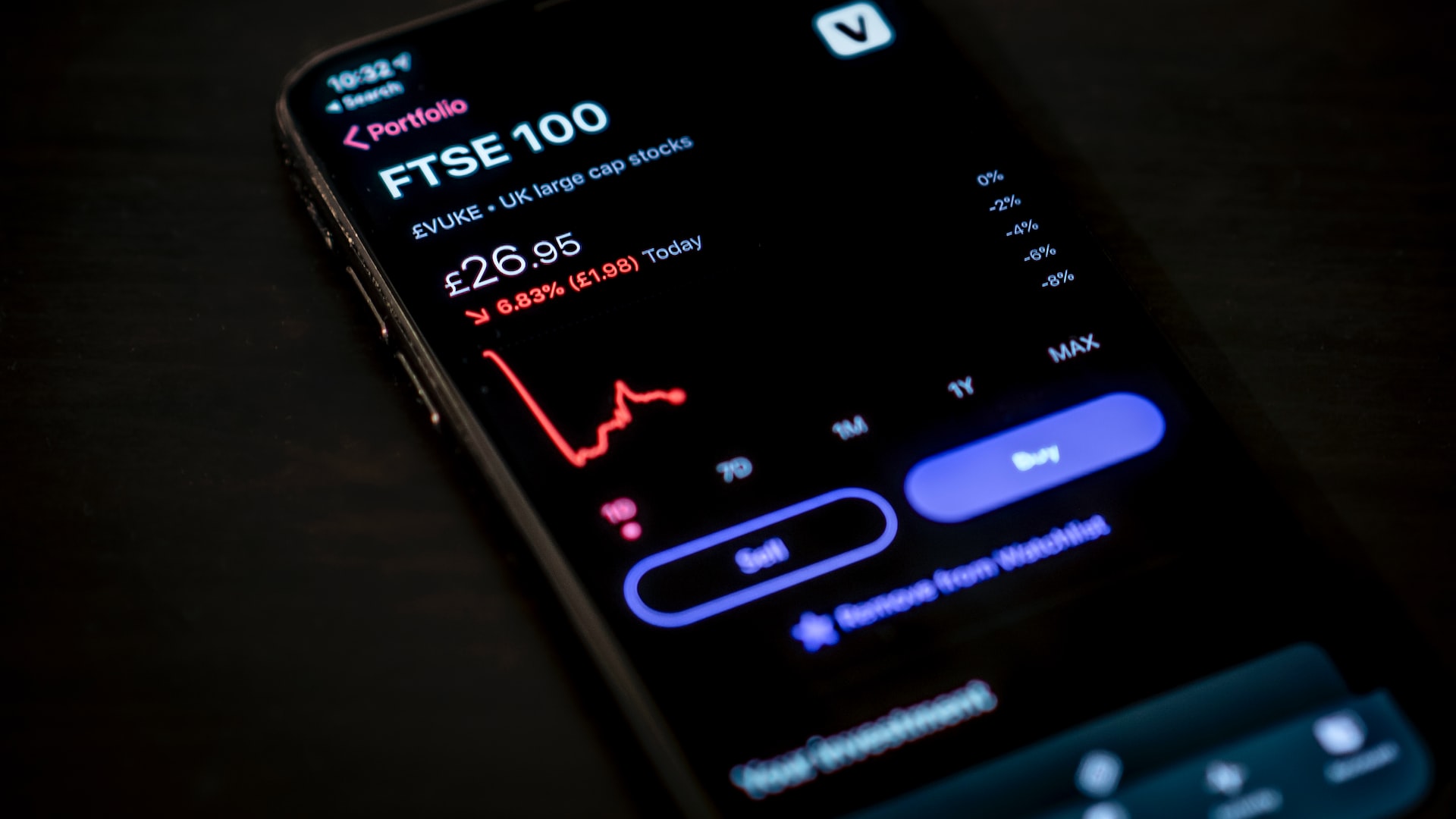
Introduction
Transitioning from forex demo trading to live trading is an important step in your trading journey. While demo trading provides valuable practice and learning opportunities, trading with real money introduces a new set of challenges and emotions. In this article, we will discuss the factors to consider when deciding to transition from forex demo trading to live trading.
1. Consistent Profitable Results
One key indicator that you are ready to transition to live trading is consistently profitable results in your demo trading. It is important to have a track record of positive returns over a significant period. This demonstrates that your trading strategies are effective and that you have a disciplined approach to risk management. However, keep in mind that past performance is not a guarantee of future success.
2. Emotional Preparedness
Emotions play a significant role in trading, and transitioning to live trading requires emotional preparedness. Real money trading involves the risk of losing your capital, which can trigger fear, greed, and other emotions that can impact decision-making. If you find yourself making impulsive or irrational decisions in your demo trading, it may be an indication that you need more time to work on emotional control before transitioning to live trading.
3. Financial Readiness
Before transitioning to live trading, ensure that you are financially ready to commit real money to trading. Assess your financial situation and determine an amount of money you are comfortable risking. Remember that trading capital should be separate from your essential living expenses, and you should only trade with money you can afford to lose. Having a well-defined risk management plan and sufficient trading capital is crucial for successful live trading.
4. Understanding Market Dynamics
Transitioning to live trading requires a solid understanding of market dynamics. Make sure you have spent enough time studying technical analysis, fundamental analysis, and market trends. Understanding how economic news, geopolitical events, and other factors can impact currency prices is important for making informed trading decisions. Continuously educating yourself about the forex market will help you navigate the complexities of live trading.
5. Developing a Trading Plan
A trading plan is a set of rules and guidelines that define your trading strategy, risk management approach, and overall trading goals. Before transitioning to live trading, it is essential to develop a comprehensive trading plan. Your plan should outline your preferred trading style, timeframes, entry and exit criteria, risk tolerance, and profit targets. Having a well-defined trading plan helps you stay disciplined and focused during live trading.
6. Gradual Transition and Start Small
When transitioning from demo trading to live trading, it is advisable to start with a small trading account and gradually increase your position sizes as you gain experience and confidence. This approach allows you to adjust to the psychological and emotional challenges of live trading while minimizing potential losses. Starting small also helps you assess the performance of your trading strategies in a real market environment before committing more significant capital.
Conclusion
Transitioning from forex demo trading to live trading is a significant step in your trading journey. It requires consistent profitable results, emotional preparedness, financial readiness, understanding of market dynamics, and a well-developed trading plan. Remember to start small and gradually increase your trading capital as you gain experience and confidence. By considering these factors and taking a disciplined approach, you can make a smooth transition to live trading and increase your chances of success in the forex market.