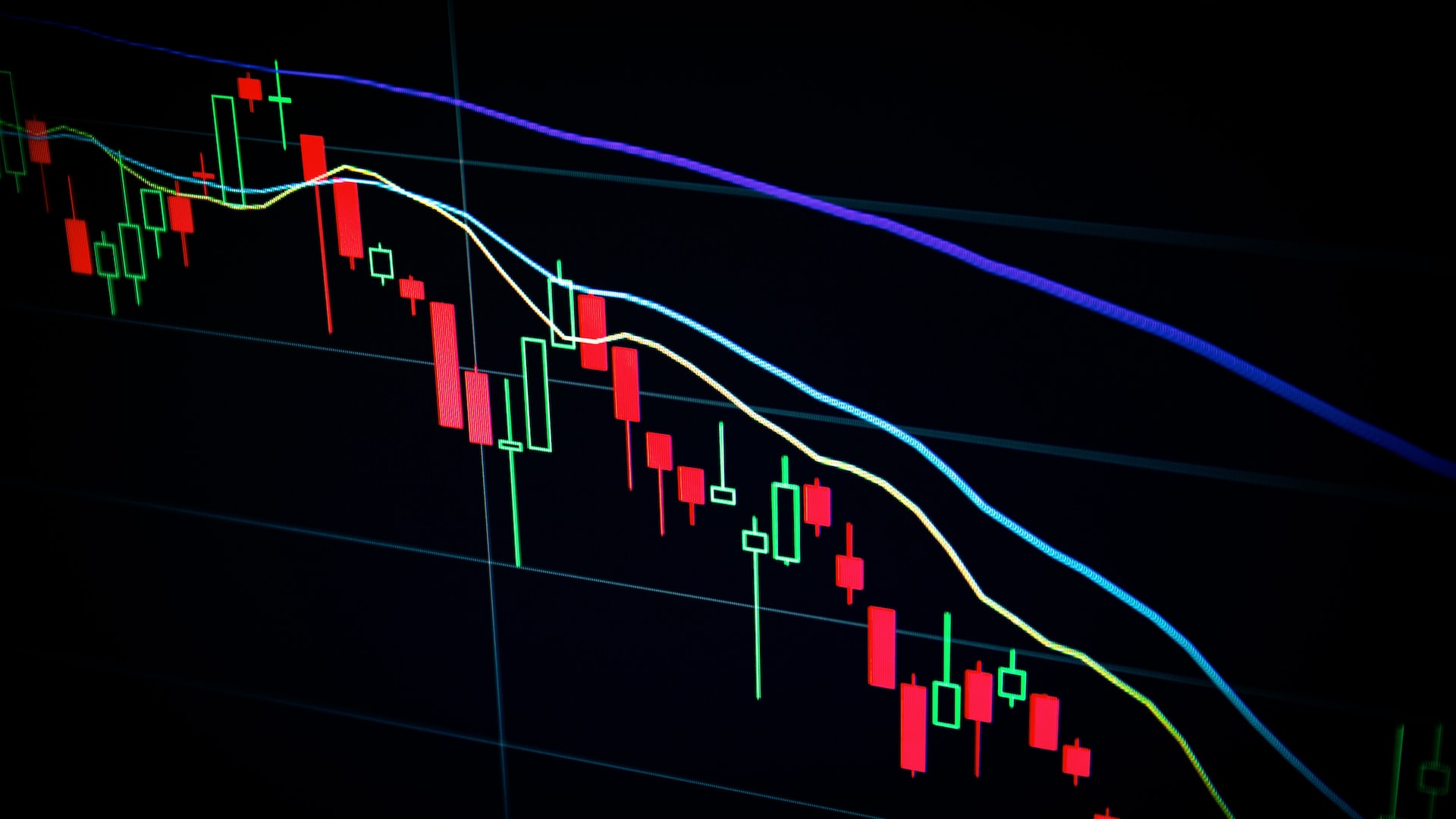
What Strategies Can I Use Based on Moving Average Forex Signals?
Moving average forex signals can be powerful tools for traders to develop effective strategies and make informed trading decisions. By understanding different strategies that utilize moving averages, you can potentially enhance your trading performance and improve your chances of success. In this blog post, we will explore some popular strategies that you can use based on moving average forex signals.
1. Moving Average Crossover Strategy
The moving average crossover strategy is one of the most commonly used strategies in forex trading. It involves using two moving averages with different time periods and identifying their crossovers. When the shorter-term moving average crosses above the longer-term moving average, it generates a buy signal. Conversely, when the shorter-term moving average crosses below the longer-term moving average, it generates a sell signal. Traders often use popular combinations like the 50-day and 200-day moving averages to identify potential entry and exit points.
2. Moving Average Support and Resistance Strategy
The moving average support and resistance strategy involves using moving averages as dynamic support and resistance levels. Traders observe how the price interacts with the moving averages to identify potential buying or selling opportunities. For example, if the price bounces off a moving average and starts moving higher, it can be a signal to enter a long position. Conversely, if the price fails to break above a moving average and starts moving lower, it can be a signal to enter a short position or exit a long position.
3. Moving Average Trend Reversal Strategy
The moving average trend reversal strategy focuses on using moving average crossovers to identify potential trend reversals. When a shorter-term moving average crosses above a longer-term moving average, it suggests a bullish reversal, indicating a potential uptrend. Conversely, when a shorter-term moving average crosses below a longer-term moving average, it suggests a bearish reversal, indicating a potential downtrend. Traders can use these signals to enter or exit positions and potentially profit from trend reversals.
4. Moving Average Breakout Strategy
The moving average breakout strategy involves identifying breakouts from moving average levels. Traders observe when the price breaks above or below a moving average and use this as a signal to enter a trade. For example, if the price breaks above a moving average, it can be a signal to enter a long position. Conversely, if the price breaks below a moving average, it can be a signal to enter a short position. Traders often combine this strategy with other technical indicators to confirm breakouts and increase the probability of success.
5. Moving Average Divergence Strategy
The moving average divergence strategy focuses on identifying divergences between the price and moving averages. Traders look for situations where the price makes higher highs or lower lows, but the moving averages fail to follow suit. This can indicate a potential trend reversal or weakening of the current trend. Traders can use these divergences as signals to enter or exit positions and potentially profit from trend reversals.
6. Conclusion
Moving average forex signals offer a wide range of strategies that traders can use to improve their trading decisions. Whether it’s the moving average crossover strategy, moving average support and resistance strategy, moving average trend reversal strategy, moving average breakout strategy, or moving average divergence strategy, each approach provides a unique way to interpret and utilize moving average signals. However, it’s essential to remember that no strategy guarantees success in the forex market. Traders should combine moving average signals with other technical indicators, risk management techniques, and continuous learning to increase their chances of success.