Introduction
In advanced forex trading, fundamental and technical analysis are two essential approaches used by traders to make informed decisions. Fundamental analysis focuses on evaluating economic indicators, news, and events that impact currency values, while technical analysis involves analyzing price charts, patterns, and indicators. Both approaches provide valuable insights into the forex market and can help traders identify potential trading opportunities. In this blog post, we will explore the roles of fundamental and technical analysis in advanced forex trading.
1. Understanding Fundamental Analysis
Fundamental analysis involves examining economic factors and events that can influence currency values. It aims to determine the intrinsic value of a currency and identify potential market trends based on economic indicators, news releases, and geopolitical events.
1.1 Economic Indicators
Economic indicators, such as GDP growth, inflation rates, employment data, and central bank policies, provide valuable insights into the overall health and performance of an economy. Traders analyze these indicators to assess the strength or weakness of a currency and anticipate future market movements.
1.2 News and Events
News releases, such as interest rate decisions, geopolitical developments, and economic announcements, can have a significant impact on currency values. Traders closely monitor these events and assess their potential effects on the forex market. By staying informed about global news, traders can make more accurate predictions and adjust their trading strategies accordingly.
2. Utilizing Technical Analysis
Technical analysis involves studying historical price data, chart patterns, and various technical indicators to identify potential trading opportunities. Traders using technical analysis believe that past price patterns can help predict future price movements.
2.1 Price Charts and Patterns
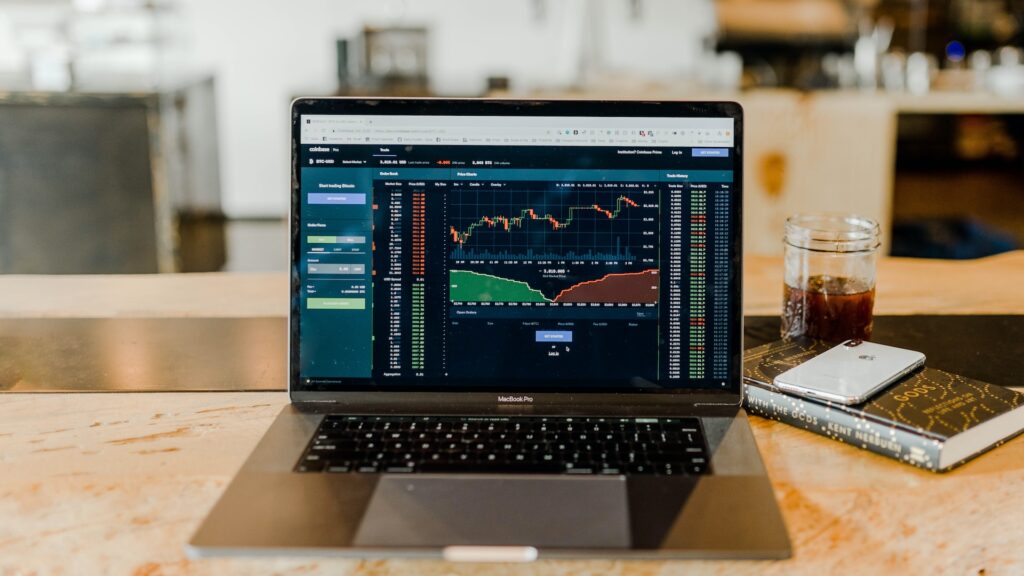
Technical traders rely on price charts to identify patterns, such as trends, reversals, and consolidations. By analyzing these patterns, traders can make predictions about the future direction of a currency’s price. Common chart patterns include support and resistance levels, trendlines, and candlestick formations.
2.2 Technical Indicators
Technical indicators, such as moving averages, oscillators, and relative strength index (RSI), provide additional insights into market trends and help traders confirm or filter trading signals. These indicators use mathematical calculations based on historical price data to generate buy or sell signals.
3. The Interplay between Fundamental and Technical Analysis
While fundamental and technical analysis are distinct approaches, they are not mutually exclusive. In fact, many advanced traders combine both techniques to gain a comprehensive understanding of the forex market.
3.1 Fundamental Analysis Supporting Technical Analysis
Fundamental analysis can provide a broader context for technical analysis. By understanding the underlying economic factors, traders can better interpret technical signals and make more informed trading decisions. For example, if fundamental analysis suggests a weakening economy, technical analysis may help identify potential entry or exit points based on price patterns.
3.2 Technical Analysis Validating Fundamental Analysis
Technical analysis can help validate or challenge fundamental analysis. If a fundamental analysis indicates a potential market trend, technical analysis can be used to confirm whether the price is following the predicted direction. This confirmation can provide traders with increased confidence in their fundamental analysis and trading decisions.
4. Finding the Right Balance
Successful advanced forex traders understand the importance of finding the right balance between fundamental and technical analysis. This balance will depend on individual trading styles, preferences, and market conditions.
4.1 Integrating Fundamental and Technical Analysis
Integrating fundamental and technical analysis involves considering both approaches when making trading decisions. Traders can use fundamental analysis to identify potential currency pairs or market trends, and then use technical analysis to fine-tune entry and exit points.
4.2 Adapting to Market Conditions
Market conditions can influence the weight given to fundamental and technical analysis. In volatile markets, technical analysis may be more useful for short-term trading, while fundamental analysis may be more relevant for long-term investments. Traders must adapt their strategies based on the prevailing market conditions.
Conclusion
Fundamental and technical analysis play vital roles in advanced forex trading. While fundamental analysis evaluates economic indicators and news events to assess the intrinsic value of a currency, technical analysis focuses on historical price data and chart patterns to predict future price movements. By understanding and combining both approaches, traders can gain a comprehensive understanding of the forex market and make more informed trading decisions. Finding the right balance between fundamental and technical analysis and adapting to market conditions are key factors for success in advanced forex trading.