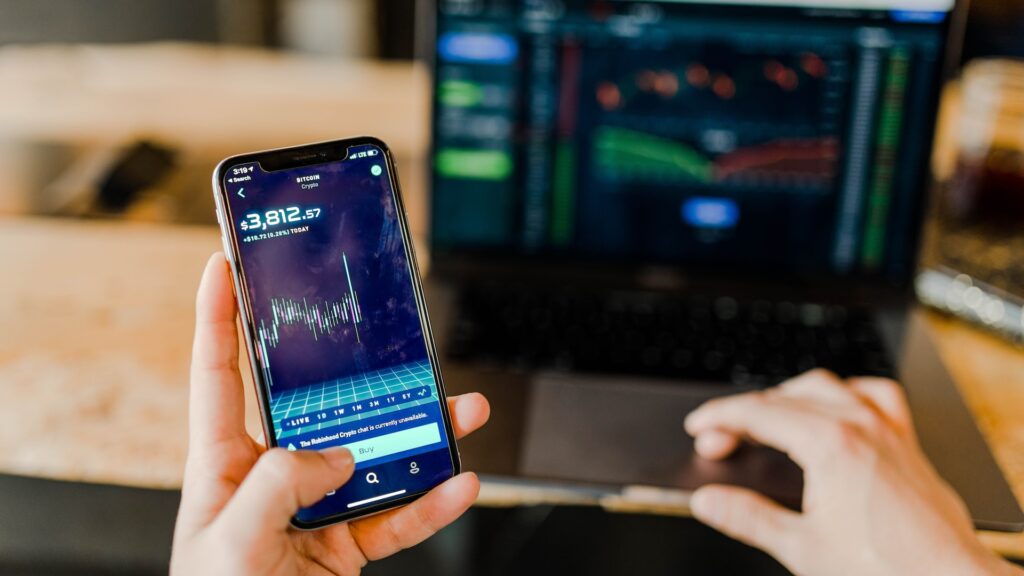
What is Volatility in Forex Trading?
Volatility is a crucial concept in forex trading that refers to the degree of price fluctuation observed in a currency pair over a given period. Understanding volatility is essential for traders as it can impact trading strategies, risk management, and potential profit opportunities. In this blog post, we will delve into the concept of volatility in forex trading, its significance, and how traders can navigate the market effectively considering different volatility scenarios.
1. Defining Volatility
Volatility represents the rate at which the price of a currency pair moves up and down. It is typically measured using statistical indicators such as standard deviation or average true range (ATR). Higher volatility indicates larger price swings, while lower volatility suggests relatively smaller price movements.
2. Why is Volatility Important?
Understanding volatility is crucial for traders due to the following reasons:
2.1 Trading Opportunities
Volatility creates trading opportunities by providing price fluctuations that traders can exploit. Higher volatility can offer more frequent and larger potential profit opportunities, while lower volatility may require traders to adjust their strategies to find suitable trading conditions.
2.2 Risk Management
Volatility is directly related to risk. Higher volatility implies increased uncertainty and potential for larger losses. Traders need to consider volatility when determining position sizes and setting stop-loss levels to manage risk effectively.
2.3 Market Conditions
Volatility can provide insights into market conditions. During periods of high volatility, market sentiment may be more uncertain, leading to rapid price movements. Understanding the prevailing volatility can help traders adapt their strategies accordingly.
3. Measuring Volatility
There are several indicators and tools traders use to measure volatility:
3.1 Average True Range (ATR)
The Average True Range (ATR) is a popular volatility indicator that measures the average price range over a specified period. It helps traders identify the average volatility in pips, enabling them to adjust their strategies accordingly.
3.2 Bollinger Bands
Bollinger Bands consist of a moving average and two standard deviation lines. These bands expand and contract based on market volatility, providing traders with visual cues to assess the current volatility levels.
3.3 Volatility Index (VIX)
The Volatility Index (VIX) is a widely followed indicator that measures market expectations of near-term volatility. It is often referred to as the “fear gauge” as it reflects investors’ sentiment and expectations of future market volatility.
4. Adapting to Different Volatility Scenarios
Traders need to adjust their strategies based on the prevailing volatility conditions. Here are a few considerations:
4.1 High Volatility
During high volatility, traders can consider shorter timeframes and more aggressive trading strategies. Breakout and momentum trading techniques may be more effective during these periods.
4.2 Low Volatility
During low volatility, traders may need to be patient and wait for higher probability setups. Range trading and mean reversion strategies can be more suitable in such market conditions.
4.3 News and Events
News releases and significant events can cause volatility spikes. Traders should be aware of upcoming economic announcements and be prepared for potential market reactions.
Conclusion
Volatility is a fundamental aspect of forex trading that provides valuable insights into market conditions and trading opportunities. By understanding volatility and utilizing appropriate indicators, traders can adapt their strategies to different volatility scenarios. Remember to consider risk management techniques and stay informed about news events that may impact volatility. By incorporating volatility analysis into your trading approach, you can enhance your decision-making process and increase your chances of success in the forex market.