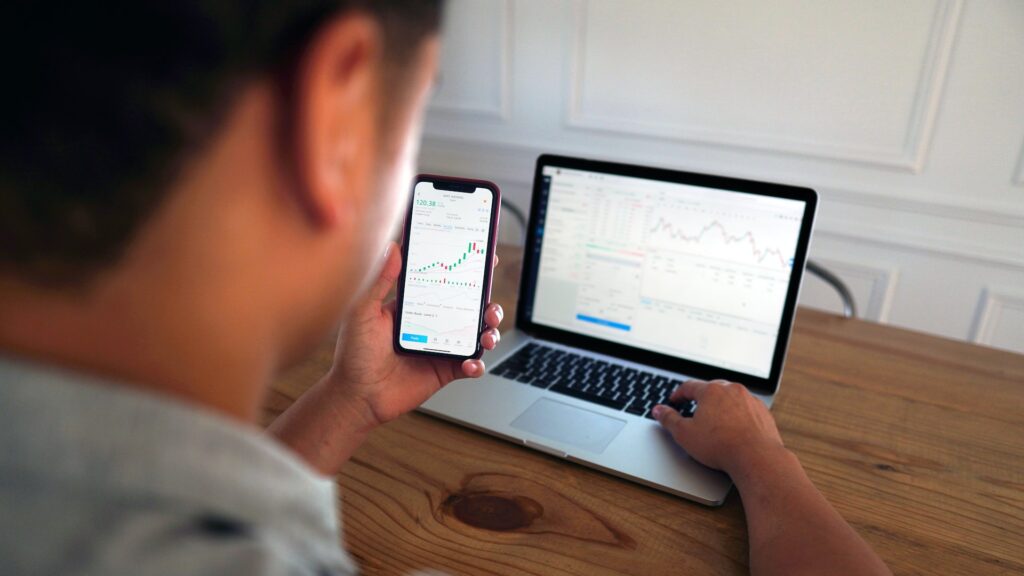
What is the role of risk management in Forex trading?
Forex trading is a high-risk, high-reward market that offers tremendous opportunities for profit. However, with the potential for significant gains, comes the potential for substantial losses. This is where risk management plays a crucial role in Forex trading. In this article, we will explore the importance of risk management and how it can help traders navigate the Forex market effectively.
Section 1: Understanding Risk in Forex Trading
Subsection: Volatility and Uncertainty
The Forex market is known for its volatility and uncertainty. Prices can fluctuate rapidly, driven by various economic, geopolitical, and market factors. Understanding and managing these risks is essential for traders to protect their capital and achieve long-term success.
Subsection: Potential for Losses
Forex trading involves the potential for significant losses. Traders can lose money if their trades move against them or if they fail to implement proper risk management strategies. It is essential to recognize and accept these risks while having a plan in place to mitigate them.
Section 2: The Importance of Risk Management
Subsection: Preserving Capital
Risk management is crucial for preserving capital in Forex trading. By implementing appropriate risk management techniques, traders can limit their exposure to potential losses and protect their trading capital. This ensures that even in the face of adverse market conditions, traders have enough capital to continue trading and seize profitable opportunities.
Subsection: Consistent Trading Performance
Effective risk management helps traders maintain consistent trading performance. By implementing risk management strategies, traders can avoid making impulsive and emotionally-driven decisions. This allows them to stick to their trading plans, follow their strategies, and avoid taking unnecessary risks that could negatively impact their overall trading performance.
Section 3: Risk Management Techniques
Subsection: Position Sizing
Position sizing is a risk management technique that involves determining the appropriate size of each trade based on a trader’s risk tolerance and account size. By carefully calculating the position size, traders can limit their exposure to a manageable level, ensuring that even if the trade goes against them, the potential loss is within an acceptable range.
Subsection: Stop-Loss Orders
Stop-loss orders are an essential risk management tool that automatically closes a trade when it reaches a predetermined level. By placing stop-loss orders, traders can limit their potential losses on each trade. This helps in protecting their capital and prevents significant drawdowns in their trading accounts.
Section 4: Embracing Risk-Reward Ratio
Subsection: Assessing Potential Rewards
Risk management involves considering the potential rewards in relation to the risks involved. By analyzing the risk-reward ratio of each trade, traders can determine whether a trade is worth taking. A favorable risk-reward ratio ensures that the potential profit is higher than the potential loss, providing a greater chance of overall profitability.
Subsection: Adjusting Risk Parameters
Effective risk management requires adjusting risk parameters based on market conditions and individual trading performance. As market conditions change, traders may need to tighten or loosen their risk parameters to adapt to the evolving environment. This flexibility allows traders to optimize their risk management strategies for better performance.
Section 5: Conclusion
Risk management is a fundamental aspect of successful Forex trading. By understanding and managing the risks involved, traders can protect their capital, maintain consistent performance, and increase their chances of long-term profitability. Implementing risk management techniques such as position sizing, stop-loss orders, and assessing risk-reward ratios are essential for navigating the volatile and unpredictable Forex market.