What Is the Role of a Forex Broker in Trading?
Forex brokers play a vital role in facilitating trading in the foreign exchange market. They act as intermediaries between traders and the market, providing access to currency pairs and executing trades on behalf of their clients. In this blog post, we will explore the key role of forex brokers in trading and how they contribute to the overall trading experience. Let’s dive in!
1. Market Access and Liquidity
One of the primary roles of a forex broker is to provide traders with access to the global currency market. Forex brokers maintain relationships with liquidity providers, such as banks and financial institutions, which allows them to offer a wide range of currency pairs to their clients. By connecting traders to the market, brokers ensure liquidity, enabling traders to buy or sell currencies at competitive prices.
2. Trading Platforms and Tools
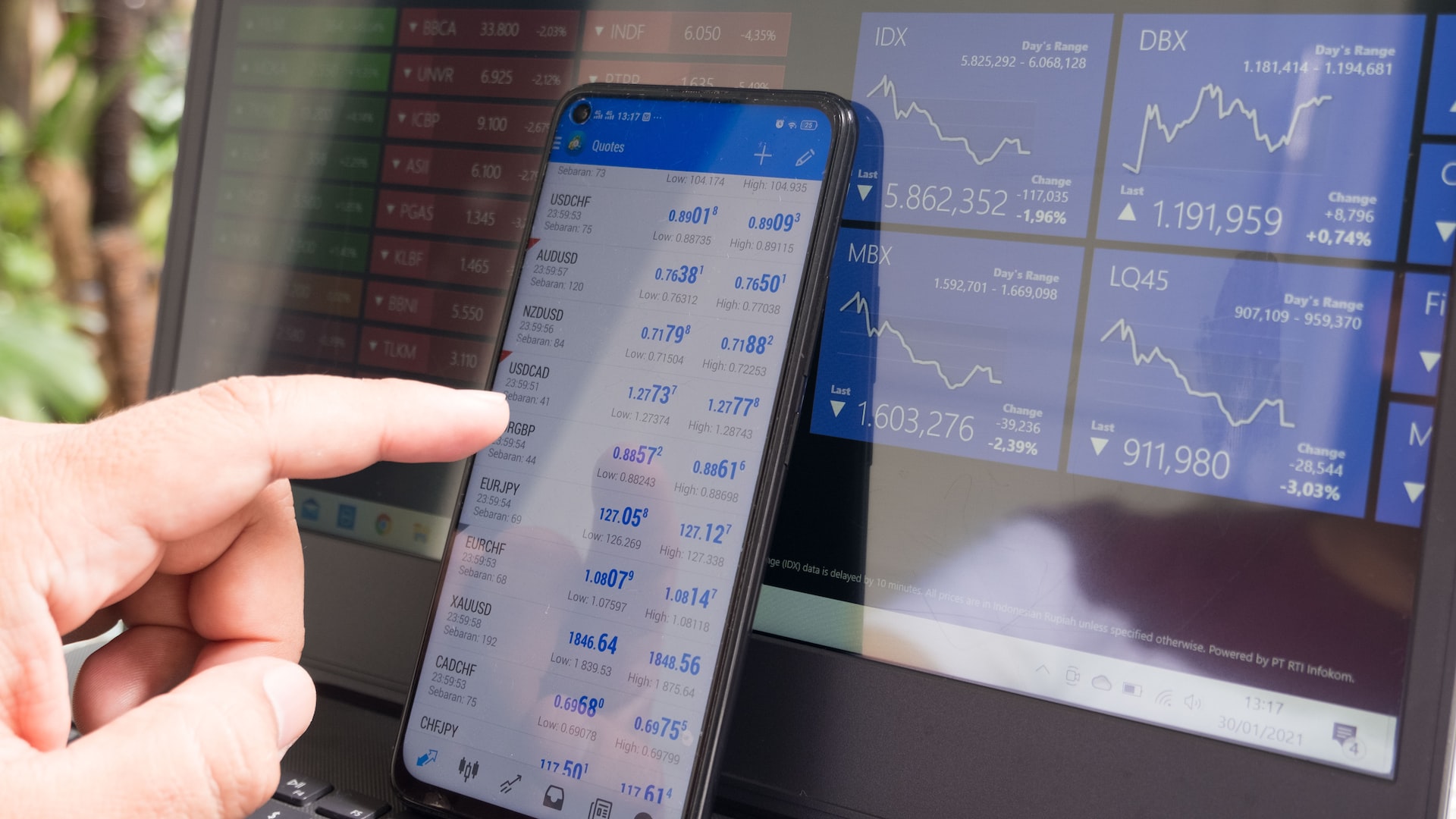
Forex brokers provide traders with trading platforms that serve as the interface for executing trades. These platforms offer a range of tools and features to assist traders in analyzing the market, identifying trading opportunities, and managing their positions. Common features include real-time price quotes, charting capabilities, technical indicators, and order management tools. Forex brokers strive to offer intuitive and user-friendly platforms to enhance the trading experience.
3. Order Execution
When a trader places an order to buy or sell a currency pair, the forex broker is responsible for executing that order in the market. Brokers use sophisticated technology to ensure fast and reliable execution of trades. They aim to execute trades at the best available prices, taking into account factors such as market liquidity, order size, and speed of execution. Efficient order execution is crucial to capturing desired trading opportunities and minimizing slippage.
4. Leverage and Margin
Forex brokers provide traders with access to leverage, which allows traders to control larger positions in the market with a smaller amount of capital. Leverage amplifies both potential profits and losses. Brokers specify the maximum leverage available to traders, and traders must manage their positions and risk accordingly. Margin requirements are set by brokers to ensure that traders have sufficient funds to cover potential losses, protecting both the trader and the broker.
5. Risk Management and Account Protection
Forex brokers play a crucial role in implementing risk management measures to protect traders and maintain market integrity. They provide risk management tools such as stop-loss orders, which allow traders to limit potential losses by automatically closing positions at predetermined price levels. Additionally, brokers implement measures to protect client funds, such as segregating client funds from company funds and offering insurance coverage in case of broker insolvency.
6. Education and Support
Many forex brokers offer educational resources and support to help traders enhance their trading knowledge and skills. This can include webinars, tutorials, trading guides, and market analysis. By providing educational materials, brokers empower traders to make informed trading decisions and develop effective strategies. Additionally, brokers typically offer customer support services to assist traders with any technical or account-related issues they may encounter.
Conclusion
Forex brokers play a vital role in the trading process, acting as intermediaries between traders and the currency market. They provide market access, offer trading platforms and tools, execute trades, facilitate leverage and margin trading, implement risk management measures, and provide educational resources and support. Understanding the role of a forex broker is essential for any trader looking to participate in the exciting world of forex trading.