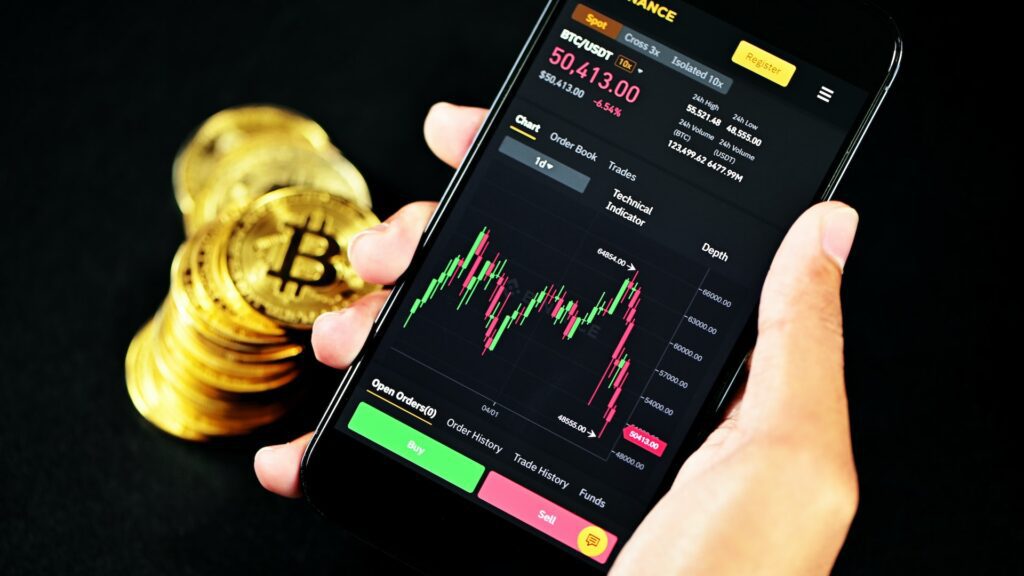
What is the impact of automated software on the forex industry?
The forex industry has witnessed significant advancements with the introduction of automated software. These powerful tools have revolutionized the way traders operate in the foreign exchange market. In this blog post, we will explore the impact of automated software on the forex industry and how it has transformed trading strategies and outcomes.
1. Increased Efficiency and Speed
Automated software has greatly enhanced the efficiency and speed of forex trading. Here’s how:
Automated Trade Execution
Automated software enables traders to execute trades automatically based on predefined rules and strategies. This eliminates the need for manual order placement and reduces the chances of human error. Trades can be executed instantly, ensuring that opportunities are not missed due to delays caused by manual intervention.
Real-Time Data Analysis
Automated software can analyze vast amounts of data in real-time. It can monitor multiple currency pairs, technical indicators, and market conditions simultaneously, providing traders with instant insights and trading opportunities. This allows traders to make faster and more informed decisions, taking advantage of market movements as soon as they occur.
2. Enhanced Accuracy and Consistency
Automated software brings a higher level of accuracy and consistency to forex trading. Here’s how it achieves this:
Elimination of Emotional Bias
Emotions can often cloud judgment and lead to irrational trading decisions. Automated software removes emotional bias from trading by executing trades based on predetermined rules and strategies. This ensures that trades are executed objectively, without being influenced by fear, greed, or other emotions.
Consistent Application of Trading Strategies
Automated software ensures that trading strategies are consistently applied. It follows predefined rules and parameters without deviation, reducing the impact of human error or inconsistency. This helps maintain discipline and improves the overall performance of trading strategies.
3. Expanded Trading Opportunities
Automated software opens up new trading opportunities for forex traders. Here’s how it expands trading possibilities:
24/7 Market Monitoring
Automated software can monitor the forex market 24/7, even when traders are not actively engaged. It can identify trading signals and execute orders at any time, taking advantage of opportunities that may arise outside regular trading hours. This allows traders to capitalize on global market movements and potentially increase profitability.
Algorithmic Trading and Backtesting
Automated software enables traders to develop and implement complex trading algorithms. These algorithms can be backtested using historical data to assess their performance and refine them before deploying them in real-time trading. Algorithmic trading reduces the reliance on manual analysis and allows for more sophisticated trading strategies.
4. Risk Management and Diversification
Automated software provides improved risk management and diversification capabilities. Here’s how it helps in managing risk:
Advanced Risk Management Tools
Automated software offers advanced risk management tools such as stop-loss orders and trailing stops. These features allow traders to limit potential losses and protect profits by automatically closing positions when certain price levels are reached. Risk management becomes more precise and consistent with the use of automated software.
Diversification of Trading Strategies
Automated software enables traders to diversify their trading strategies across different currency pairs and markets. It can simultaneously monitor and execute trades across multiple instruments, spreading the risk and potentially increasing the chances of profitable trades. Diversification helps traders navigate market volatility and reduce the reliance on a single trading strategy.
Conclusion
The impact of automated software on the forex industry cannot be understated. It has brought increased efficiency, accuracy, and speed to trading activities. By eliminating emotional bias, ensuring consistent application of trading strategies, and expanding trading opportunities, automated software has transformed the way traders operate in the forex market. Additionally, it has enhanced risk management capabilities and allowed for greater diversification. As technology continues to evolve, automated software will likely play an even more significant role in the future of forex trading.