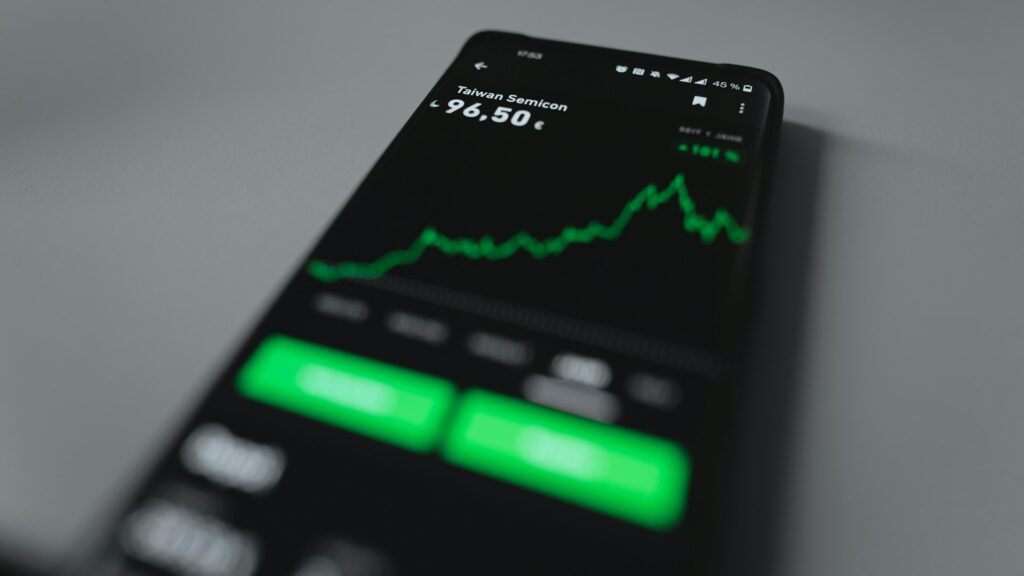
Introduction to Technical Analysis
Before delving into the specifics, let’s understand what technical analysis entails:
Subsection 1.1: What is Technical Analysis?
Technical analysis is a method of evaluating financial markets by examining historical price data and volume. It assumes that historical price patterns and trends can give insights into future price movements. Traders who use technical analysis, known as technical analysts, believe that market psychology and investor behavior are reflected in price charts.
Subsection 1.2: Why is Technical Analysis Used?
Technical analysis is popular among traders for several reasons:
- It helps identify trends and market sentiment.
- It provides entry and exit signals for trades.
- It helps determine support and resistance levels.
- It aids in risk management and trade timing.
Section 2: Key Principles of Technical Analysis
To effectively use technical analysis in Forex trading, it’s important to understand its key principles:
Subsection 2.1: Price Patterns
Price patterns are the recurring formations or shapes that appear on price charts. These patterns can indicate potential trend reversals or continuations. Common price patterns include head and shoulders, double tops, and triangles. Traders use these patterns to anticipate future price movements.
Subsection 2.2: Trends
Trends are essential components of technical analysis. They refer to the general direction of a market’s price movement. A market can be in an uptrend (higher highs and higher lows), a downtrend (lower highs and lower lows), or a sideways trend (range-bound). Identifying and trading in the direction of the trend is a key principle.
Subsection 2.3: Support and Resistance
Support and resistance levels are price levels at which the market tends to find buying or selling pressure, respectively. Support acts as a floor to prevent prices from falling further, while resistance acts as a ceiling to prevent prices from rising further. Traders use these levels to determine potential entry and exit points.
Subsection 2.4: Indicators
Technical analysis utilizes various indicators to provide additional insights into price movements. These indicators can be classified as trend-following or oscillators. Trend-following indicators, such as moving averages, help identify the direction of the trend. Oscillators, such as the Relative Strength Index (RSI), help identify overbought or oversold conditions.
Section 3: Applying Technical Analysis in Forex Trading
To apply technical analysis effectively, traders follow a systematic approach:
Subsection 3.1: Chart Analysis
Traders analyze price charts using different chart types (line, bar, or candlestick) and various timeframes (daily, hourly, or minute). They look for patterns, trends, and support/resistance levels to make trading decisions.
Subsection 3.2: Indicator Selection
Traders choose suitable indicators based on their trading strategies and preferences. They consider indicators that complement their analysis and provide confirmation signals for potential trades.
Subsection 3.3: Risk Management
Technical analysis alone cannot guarantee profitable trades. Traders need to incorporate proper risk management techniques, such as setting stop-loss orders and calculating position sizes, to protect their capital.
Section 4: Conclusion
Technical analysis is a valuable tool for Forex traders to gain insights into market trends and make informed trading decisions. By understanding price patterns, trends, support and resistance levels, and utilizing indicators, traders can enhance their probability of success. However, it’s important to remember that technical analysis should be used in conjunction with other forms of analysis and risk management techniques. With practice and experience, traders can develop their own technical analysis strategies and improve their trading outcomes in the Forex market.