What is Forex Trading and How Does It Work?
Forex trading, also known as foreign exchange trading, is the process of buying and selling currencies with the aim of making a profit. It is the largest and most liquid financial market globally, with an average daily trading volume of over $6 trillion. In this blog post, we will explore the basics of forex trading and how it works.
Section 1: Understanding Forex Trading
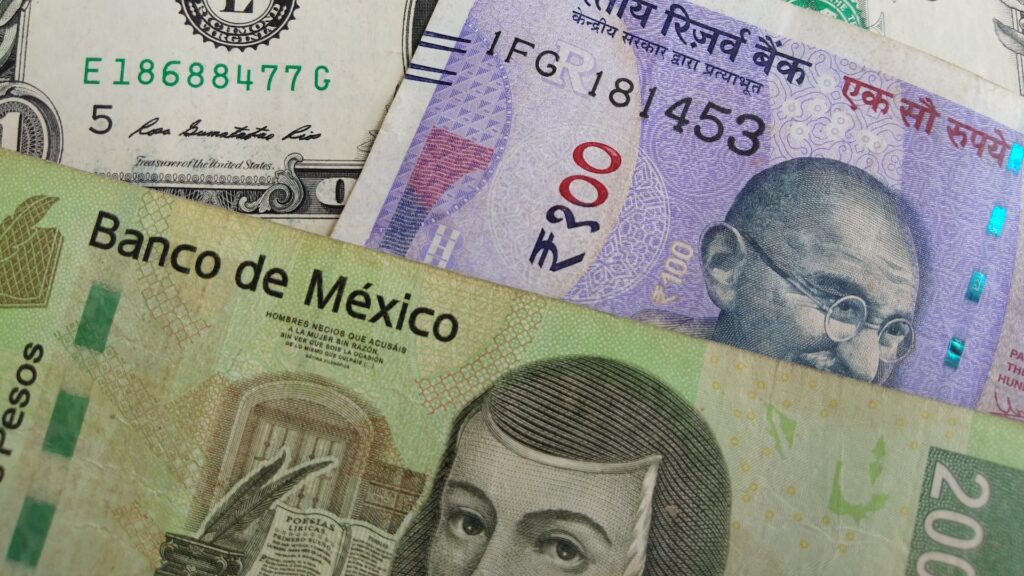
Forex trading involves the simultaneous buying of one currency and selling of another. Currencies are always traded in pairs, such as EUR/USD (Euro/US Dollar) or GBP/JPY (British Pound/Japanese Yen). The first currency in the pair is known as the base currency, while the second currency is the quote currency.
Subsection 1.1: The Forex Market
The forex market operates 24 hours a day, five days a week, across different time zones. It is a decentralized market, meaning there is no central exchange or physical location for trading. Instead, trading takes place electronically over-the-counter (OTC), allowing participants to trade directly with each other through the interbank market or electronic communication networks (ECNs).
Subsection 1.2: Market Participants
Various participants engage in forex trading:
- Commercial and investment banks
- Hedge funds and investment firms
- Retail traders
- Multinational corporations
- Central banks
These market participants trade for various reasons, including speculative purposes, hedging against currency risks, or facilitating international trade and investments.
Section 2: How Forex Trading Works
Subsection 2.1: Currency Pairs and Exchange Rates
Exchange rates determine the value of one currency relative to another. They constantly fluctuate due to various factors, including economic indicators, geopolitical events, interest rates, and market sentiment. Forex traders analyze these factors to anticipate currency movements and make trading decisions.
Subsection 2.2: Long and Short Positions
In forex trading, traders can take either a long or short position on a currency pair. A long position means buying the base currency and selling the quote currency, anticipating that the base currency will appreciate in value. A short position involves selling the base currency and buying the quote currency, expecting the base currency to depreciate.
Subsection 2.3: Leverage and Margin
Forex trading often involves the use of leverage, allowing traders to control larger positions with a smaller amount of capital. Leverage amplifies both potential profits and losses. Margin refers to the collateral required to open and maintain a leveraged position. It is a percentage of the total trade size that traders must have in their trading account.
Subsection 2.4: Trading Platforms and Tools
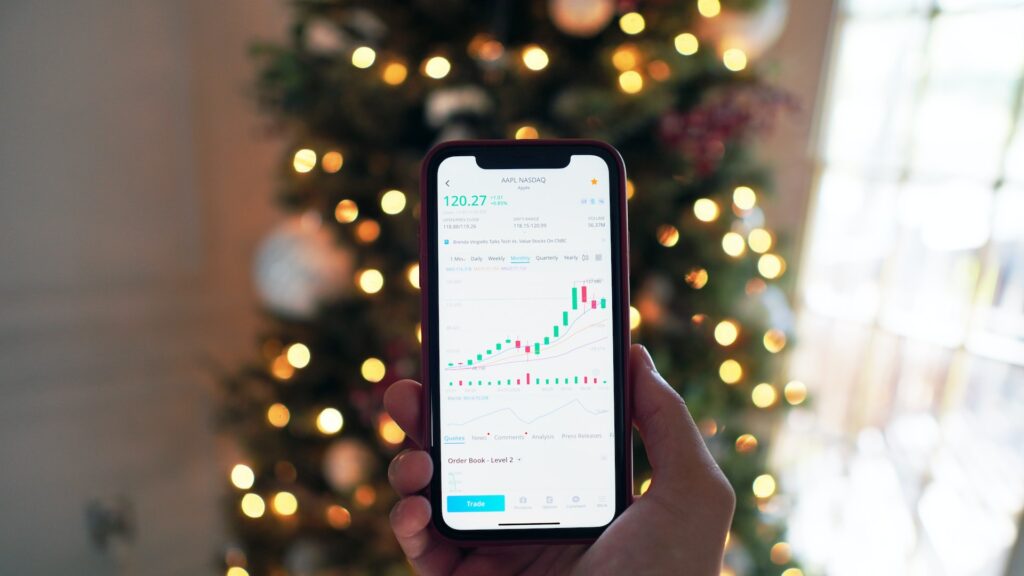
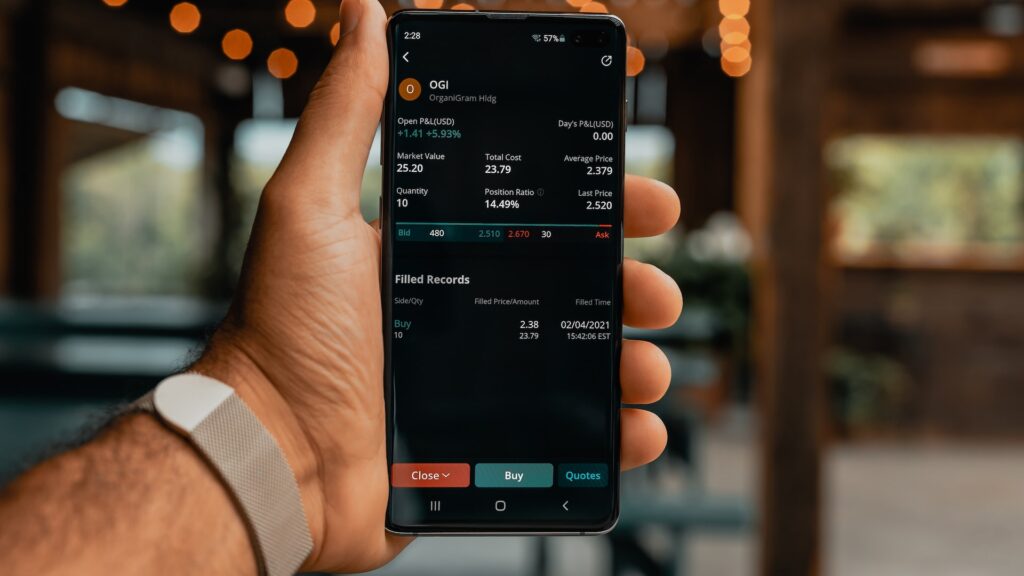
Forex traders use trading platforms provided by brokers to access the market, analyze charts, place trades, and manage their positions. These platforms often offer various technical analysis tools, indicators, and order types to assist traders in making informed decisions.
Subsection 2.5: Risk Management
Effective risk management is essential in forex trading. Traders employ various strategies, such as setting stop-loss orders to limit potential losses, using take-profit orders to secure profits, and implementing proper position sizing techniques to manage risk exposure.
Section 3: Conclusion
Forex trading is a dynamic and accessible market that offers opportunities for profit. Understanding the basics of forex trading, including currency pairs, exchange rates, long and short positions, leverage, and risk management, is crucial for aspiring traders. By utilizing trading platforms, analyzing market trends, and staying informed about economic events, traders can make informed trading decisions and potentially achieve success in the forex market.