Introduction
A forex trading platform is a software application that allows individuals and institutions to trade currencies in the foreign exchange market. It serves as a gateway to access the forex market, providing traders with the necessary tools and features to execute trades, analyze the market, and manage their trading activities. In this blog post, we will explore the functionalities of a forex trading platform and how it works.
1. Overview of a Forex Trading Platform
Definition:
A forex trading platform is an online software that connects traders to the forex market, allowing them to buy, sell, and exchange currencies. It provides real-time access to currency prices, charts, technical indicators, news, and other relevant information.
Key Features:
- Price quotes and charts
- Order placement and execution
- Trade history and account information
- Technical analysis tools
- News and economic calendars
2. Types of Forex Trading Platforms
Desktop Platforms:
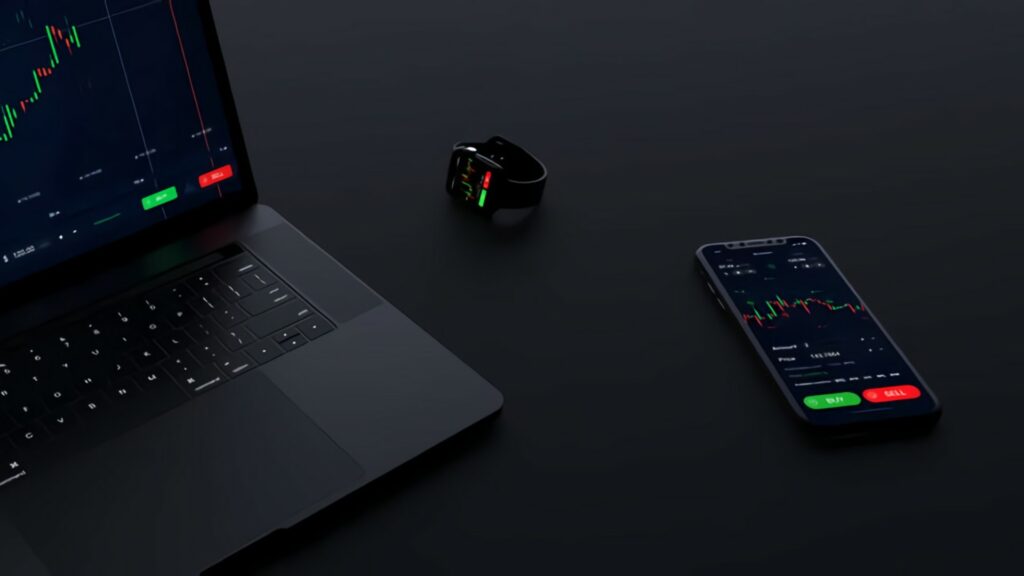
Desktop trading platforms are software applications installed on a computer. They offer advanced features, customization options, and high-speed execution. Examples include MetaTrader 4 (MT4) and MetaTrader 5 (MT5).
Web-Based Platforms:
Web-based trading platforms are accessed through a web browser without the need for software installation. They provide convenience and accessibility, allowing traders to access their accounts from any device with an internet connection. Examples include cTrader and TradingView.
Mobile Platforms:
Mobile trading platforms are applications designed for smartphones and tablets. They offer trading functionality on the go, enabling traders to monitor the market, execute trades, and manage their accounts from their mobile devices. Examples include MetaTrader mobile apps and cTrader mobile.
3. How a Forex Trading Platform Works
Registration and Account Setup:
To start using a forex trading platform, traders need to register an account with a forex broker. They provide their personal information, complete the necessary documentation, and undergo a verification process. Once the account is approved, traders can fund their accounts and start trading.
Market Analysis and Decision Making:
Forex trading platforms provide traders with various tools and features to analyze the market and make informed trading decisions. Traders can access real-time price quotes, historical data, charts, technical indicators, and news feeds. They can also set up alerts and notifications to stay updated with market movements.
Order Placement and Execution:
Traders can place different types of orders on a forex trading platform, such as market orders, limit orders, stop orders, and more. Once an order is placed, it is sent to the forex broker’s server for execution. The platform ensures fast order execution and provides traders with confirmation of the executed trades.
Trade Management:
Forex trading platforms allow traders to manage their trades effectively. They can modify or close existing trades, set stop-loss and take-profit levels, and monitor their positions in real-time. Traders can also access trade history, account statements, and performance reports to evaluate their trading activities.
Conclusion
A forex trading platform is an essential tool for anyone looking to participate in the forex market. It provides traders with the necessary features, tools, and functionalities to analyze the market, execute trades, and manage their trading activities. Whether it’s a desktop platform, web-based platform, or mobile app, a forex trading platform empowers traders to access the forex market and make informed decisions to potentially profit from currency fluctuations.