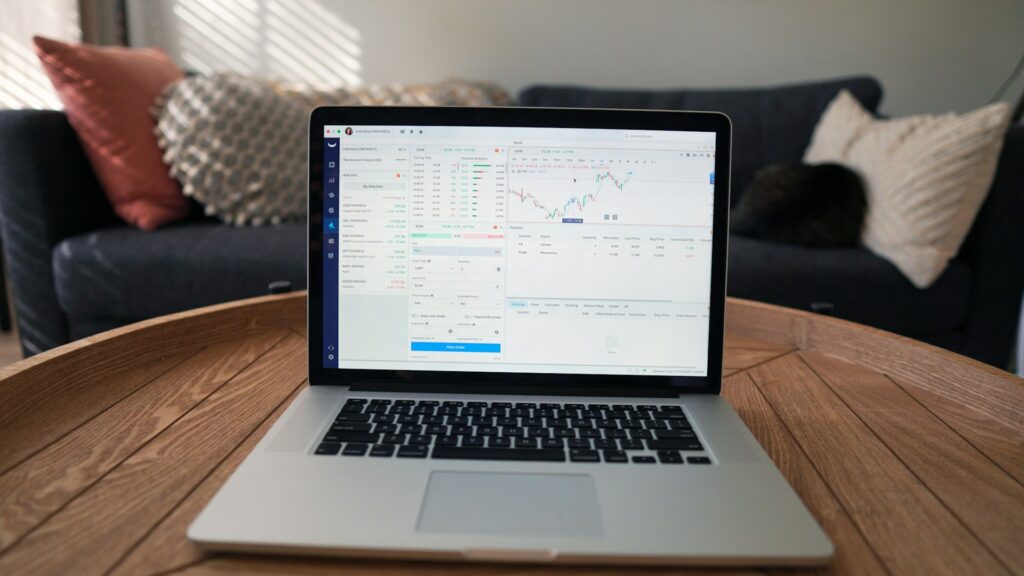
What happens during forex market closure?
The forex market is known for its 24/5 trading hours, allowing traders to participate in currency trading activities at any time. However, there are instances when the forex market closes temporarily. In this blog post, we will explore what happens during forex market closure and how it can impact traders.
Section 1: Understanding Forex Market Hours
1.1 Overview of Forex Market Hours
Explain the concept of forex market hours and how the market operates across different time zones. Emphasize that the forex market is open 24 hours a day, five days a week, allowing traders to engage in trading activities at any time. Briefly mention the major trading sessions, such as the Asian, European, and American sessions.
Section 2: Scheduled Market Closures
2.1 Public Holidays
Highlight that one of the main reasons for forex market closure is public holidays observed in different countries. Explain that during public holidays, financial institutions and banks are closed, leading to reduced liquidity and trading activity in the forex market. Provide examples of major holidays in different countries that can impact market closure.
2.2 Weekends
Explain that the forex market is closed during weekends, typically from Friday evening until Sunday evening, due to the absence of major financial institutions and banks. Emphasize that traders should be aware of this closure and plan their trading activities accordingly.
Section 3: Impact on Trading Activities
3.1 Reduced Liquidity
Explain that during forex market closure, liquidity in the market decreases significantly. With fewer market participants, bid-ask spreads may widen, making it more challenging to execute trades at desired prices. Advise traders to exercise caution and adjust their trading strategies accordingly during periods of reduced liquidity.
3.2 Pending Orders and Stop Losses
Discuss how pending orders and stop losses are affected during market closure. Explain that pending orders, such as limit orders or stop orders, may not be executed until the market reopens. Emphasize that traders should be mindful of the potential risks associated with leaving open positions or pending orders during market closure.
Section 4: Alternative Trading Opportunities
4.1 Overlapping Trading Sessions
Highlight that although the forex market may be closed in one region, there are often overlapping trading sessions in other regions. Explain that during these overlapping periods, there may still be trading opportunities available, albeit with potentially lower liquidity. Encourage traders to explore these alternative trading opportunities if they are comfortable with the associated risks.
Section 5: Conclusion
Forex market closure occurs during public holidays and weekends when financial institutions and banks are closed. This closure leads to reduced liquidity and can impact trading activities. Traders should be aware of market closures, adjust their strategies during periods of reduced liquidity, and consider alternative trading opportunities during overlapping trading sessions. By understanding the implications of forex market closure, traders can navigate the market more effectively and make informed trading decisions.