What factors should I consider when comparing US regulated forex brokers?
Comparing US regulated forex brokers is an important step in finding the right broker for your trading needs. With numerous options available, it’s crucial to consider various factors to make an informed decision. In this blog post, we will discuss the key factors you should consider when comparing US regulated forex brokers.
Section 1: Regulation and Compliance
Subsection: Regulatory Bodies
Start by checking the regulatory bodies that oversee the broker’s operations. In the United States, reputable regulatory bodies include the National Futures Association (NFA) and the Commodity Futures Trading Commission (CFTC). Ensure that the broker is registered with these authorities and has a clean compliance record. Trading with a regulated broker provides an extra layer of security and protection for your funds.
Section 2: Trading Costs
Subsection: Spreads and Commissions
Compare the spreads and commissions charged by different brokers. Spreads are the difference between the buying and selling prices, and commissions are additional fees charged by some brokers. Lower spreads and commissions can reduce your trading costs, especially if you are a frequent trader. However, be cautious of brokers that offer extremely low spreads but compensate with higher commissions.
Subsection: Overnight Fees and Swap Rates
Consider the overnight fees and swap rates charged by brokers for holding positions overnight. These fees can significantly impact your trading profitability, particularly if you engage in long-term trades. Compare the rates offered by different brokers and choose the one that aligns with your trading strategy.
Section 3: Trading Platforms
Subsection: User-Friendly Interface
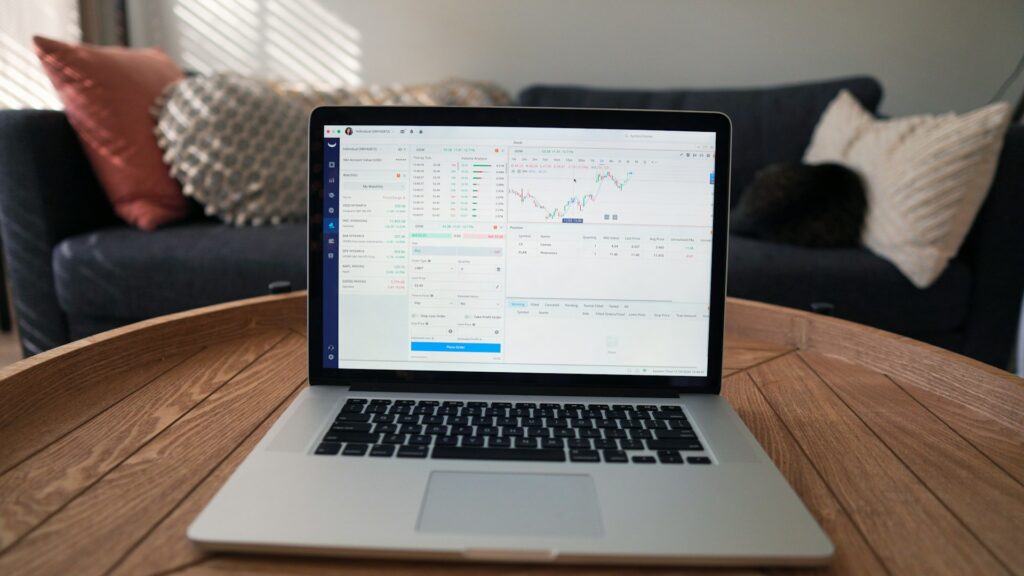
Assess the trading platforms offered by brokers. Look for a user-friendly interface that is intuitive and easy to navigate. A well-designed platform can enhance your trading experience and efficiency. Consider features such as customizable charts, technical indicators, and order types that align with your trading strategy.
Subsection: Mobile Trading
Check if the broker offers a mobile trading platform or a responsive website. Mobile trading allows you to monitor and execute trades on the go, providing flexibility and convenience. Ensure that the mobile platform is compatible with your device and offers the same features as the desktop version.
Section 4: Product Range
Subsection: Currency Pairs
Consider the range of currency pairs offered by the broker. Ensure that they provide the currency pairs you are interested in trading. The more currency pairs available, the more flexibility you have in your trading strategies. Additionally, some brokers may offer exotic or minor currency pairs, which can provide opportunities for diversification.
Subsection: Other Instruments
Some forex brokers also offer other financial instruments such as commodities, indices, or cryptocurrencies. If you have an interest in trading these instruments, consider brokers that provide a diverse range of products. However, remember to prioritize the quality of forex trading services as it is the primary focus.
Section 5: Customer Support
Subsection: Responsiveness and Availability
Customer support is crucial when it comes to forex trading. Check the availability and responsiveness of the broker’s customer support team. Look for multiple channels of communication, such as live chat, email, and phone support. Prompt and helpful customer support can make a significant difference, especially during times of technical issues or account inquiries.
Subsection: Educational Resources
Assess the educational resources provided by the broker. Look for brokers that offer educational materials, webinars, tutorials, and market analysis to help you improve your trading skills. A broker with robust educational resources can contribute to your growth and development as a trader.
Section 6: Conclusion
When comparing US regulated forex brokers, it’s essential to consider factors such as regulation and compliance, trading costs, trading platforms, product range, and customer support. By evaluating these factors, you can make an informed decision that aligns with your trading goals and preferences. Remember to prioritize your specific trading needs and choose a broker that provides a secure and reliable trading environment.