

Introduction
Choosing the right forex broker is crucial for beginners entering the world of forex trading. With numerous brokers available, it can be overwhelming to make a decision. In this blog post, we will discuss the key factors to consider when choosing a forex broker as a beginner.
1. Regulation and Security
When selecting a forex broker, it’s essential to ensure they are regulated by a reputable financial authority. Regulation provides a level of protection for your investment and ensures the broker operates under specific guidelines. Look for brokers regulated by authorities such as the Financial Conduct Authority (FCA) in the UK or the Securities and Exchange Commission (SEC) in the US.
2. Trading Platform
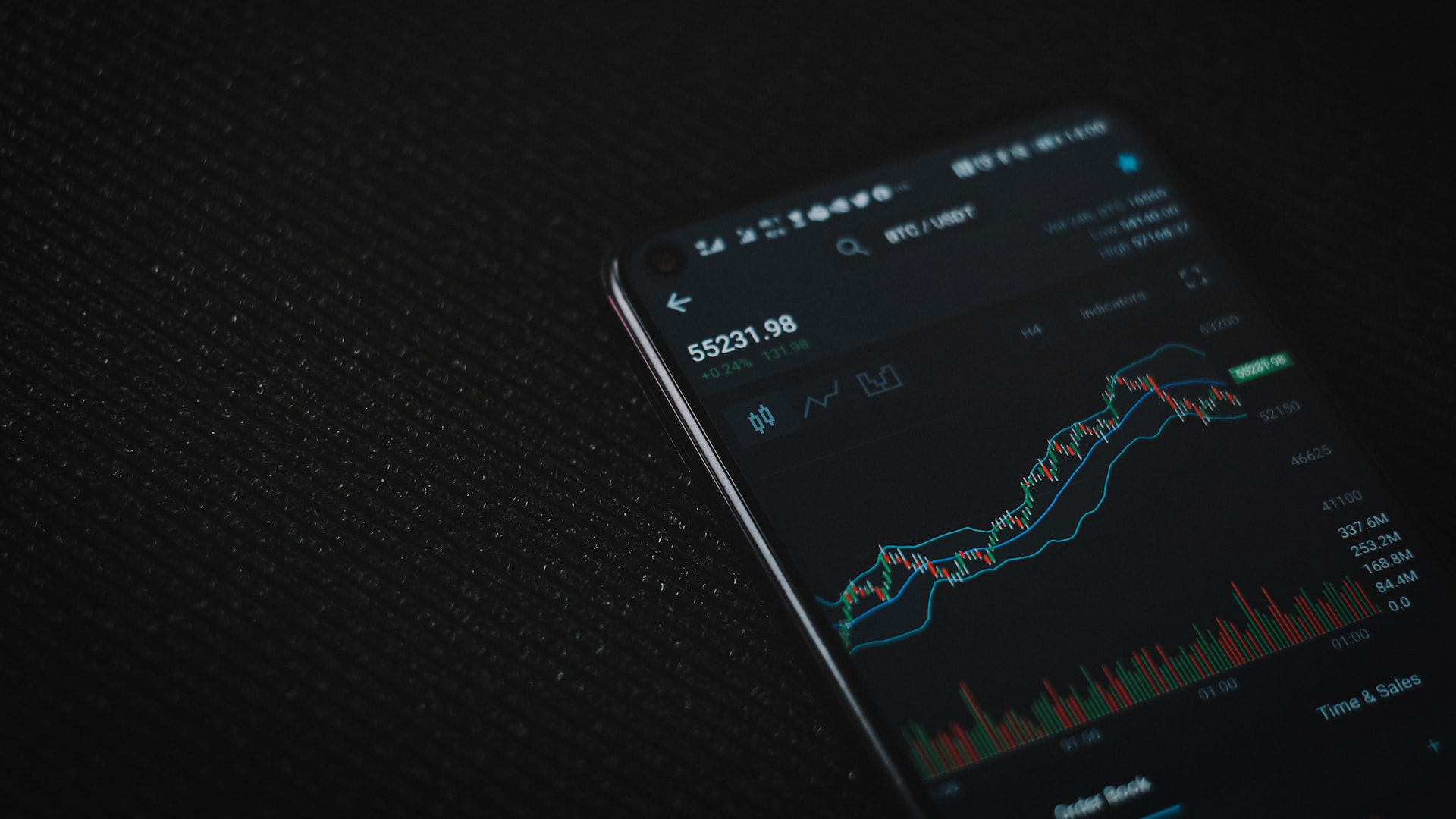
The trading platform is the interface you will use to execute trades and monitor the market. It should be user-friendly, stable, and equipped with essential features like real-time charts, technical analysis tools, and order types. Test the demo version of the platform to ensure it meets your requirements and is easy to navigate.
3. Account Types and Minimum Deposits
Consider the account types offered by the broker and whether they cater to your trading needs. Some brokers offer different account tiers with varying features, such as lower spreads or additional educational resources. Additionally, check the minimum deposit requirement as a beginner, as you may want to start with a smaller investment.
4. Spreads, Commissions, and Fees
Forex brokers make money through spreads, commissions, and fees. Spreads are the difference between the buying and selling price, and lower spreads are generally more favorable. Some brokers charge commissions on each trade, while others have no commissions but charge wider spreads. Consider the overall cost structure and compare it with other brokers to find a competitive offering.
5. Educational Resources and Customer Support
As a beginner, educational resources are vital for learning the basics of forex trading. Look for brokers that provide comprehensive educational materials, including tutorials, webinars, and market analysis. Additionally, consider the availability and responsiveness of customer support. A broker with excellent customer service can assist you in resolving any issues or answering your questions promptly.
6. Deposit and Withdrawal Methods
Check the deposit and withdrawal methods offered by the broker. Ensure they support convenient and secure payment options that suit your preferences. Ideally, the broker should provide various options like bank transfers, credit/debit cards, and e-wallets.
7. Demo Account
A demo account allows you to practice trading with virtual money before risking real funds. It’s an essential feature for beginners to familiarize themselves with the trading platform and test their strategies. Look for brokers that offer demo accounts with no time restrictions.
8. Trading Instruments
Consider the range of trading instruments offered by the broker. As a beginner, you may want to focus on forex, but having access to other assets like stocks, commodities, or cryptocurrencies can be advantageous as you progress in your trading journey.
9. Leverage
Leverage allows traders to control larger positions with a smaller amount of capital. While it can amplify profits, it also magnifies potential losses. As a beginner, it’s crucial to understand the risks associated with leverage and choose a broker that offers responsible leverage options suitable for your risk tolerance.
10. Reputation and Reviews
Research the broker’s reputation and read reviews from other traders. Look for feedback on their reliability, execution speeds, customer service, and transparency. This information can give you valuable insights into the broker’s credibility and help you make an informed decision.
Conclusion
Choosing the right forex broker as a beginner requires careful consideration of various factors. Ensure the broker is regulated, offers a user-friendly trading platform, provides educational resources, and has responsive customer support. Evaluate account types, spreads, commissions, and fees to find a competitive offering. Additionally, consider deposit and withdrawal methods, demo account availability, range of trading instruments, leverage options, and the broker’s reputation. By considering these factors, you can increase your chances of finding a suitable forex broker and embark on your trading journey with confidence.