What Does the Future of Technology-Driven Forex Trade Look Like?
The forex market, driven by technology-enabled innovations, is constantly evolving. In this article, we will explore the future of forex trade and how technological advancements will shape the industry. From artificial intelligence and blockchain to virtual reality and quantum computing, the future holds immense possibilities for the forex market.
Section 1: Artificial Intelligence and Machine Learning
1.1 Enhanced Trading Algorithms
Artificial intelligence (AI) and machine learning (ML) will play a significant role in enhancing trading algorithms. Advanced AI algorithms will be capable of analyzing vast amounts of data, including market trends, news sentiment, and economic indicators, to generate highly accurate trading signals. ML algorithms will continuously learn from market behavior and adapt trading strategies accordingly, resulting in improved trading performance.
1.2 Predictive Analytics
AI and ML technologies will enable traders to leverage predictive analytics to anticipate market movements with greater precision. By analyzing historical price data, economic events, and social media sentiment, predictive analytics algorithms will generate forecasts and insights that can guide traders in making informed trading decisions.
Section 2: Blockchain and Cryptocurrencies
2.1 Transparent and Decentralized Trading
Blockchain technology will revolutionize forex trade by providing transparency, security, and decentralization. Through decentralized platforms, traders will be able to execute peer-to-peer transactions without intermediaries, reducing costs and increasing efficiency. Smart contracts will automate trade settlements, eliminating the need for manual intervention.
2.2 Stablecoins and Cross-Border Transactions
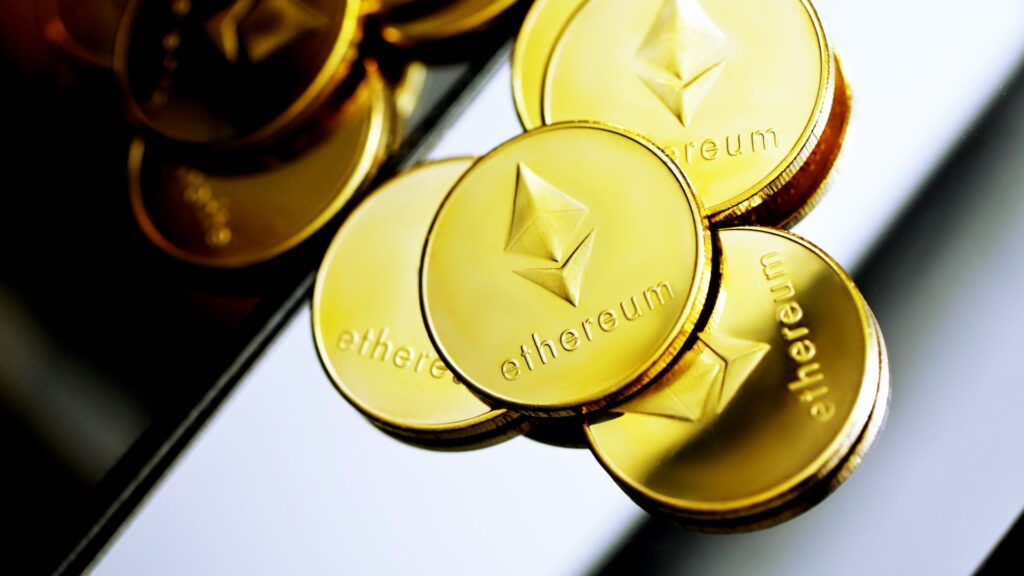
Blockchain-based stablecoins will facilitate faster and more cost-effective cross-border transactions. These cryptocurrencies, pegged to a stable asset like a fiat currency, will provide a reliable medium of exchange for forex trade. By eliminating the need for traditional banking intermediaries, stablecoins will enable instant settlement and reduce transaction fees.
Section 3: Virtual Reality and Augmented Reality
3.1 Immersive Trading Environments
Virtual reality (VR) and augmented reality (AR) technologies will transform the way traders interact with the forex market. VR platforms will create immersive trading environments, allowing traders to visualize market data in 3D and make informed decisions based on real-time information. AR applications will provide traders with real-time overlays of market data and analysis, enhancing their trading experience.
3.2 Virtual Trading Simulations
VR and AR technologies will also enable traders to participate in virtual trading simulations. These simulations will replicate real market conditions, allowing traders to practice and refine their trading strategies without risking real money. By providing a realistic trading experience, virtual trading simulations will enhance traders’ skills and confidence.
Section 4: Quantum Computing
4.1 Faster Data Processing
Quantum computing has the potential to revolutionize data processing in forex trade. Quantum computers can perform complex calculations at an exponentially faster rate than traditional computers. This speed will enable traders to analyze vast amounts of data in real-time, uncovering patterns and opportunities that were previously inaccessible.
4.2 Enhanced Encryption and Security
Quantum computing will also play a crucial role in enhancing encryption and security measures in forex trade. Quantum-resistant cryptographic algorithms will protect sensitive trading data from potential threats posed by quantum computers. This enhanced security will ensure the integrity and confidentiality of traders’ information.
Section 5: Conclusion
The future of technology-driven forex trade is filled with possibilities. With AI and ML algorithms, traders will enjoy enhanced trading strategies and predictive analytics. Blockchain technology will bring transparency and efficiency to the market, while virtual reality and augmented reality will create immersive trading experiences. Quantum computing will revolutionize data processing and security. As these technologies continue to advance, the forex market will become more accessible, efficient, and secure, empowering traders worldwide.