Introduction
Forex trading offers immense potential for profit, but it also comes with inherent risks that traders need to be aware of. Understanding and managing these risks is crucial for a successful trading journey. In this article, we will explore the main risks involved in forex trading.
1. Market Volatility
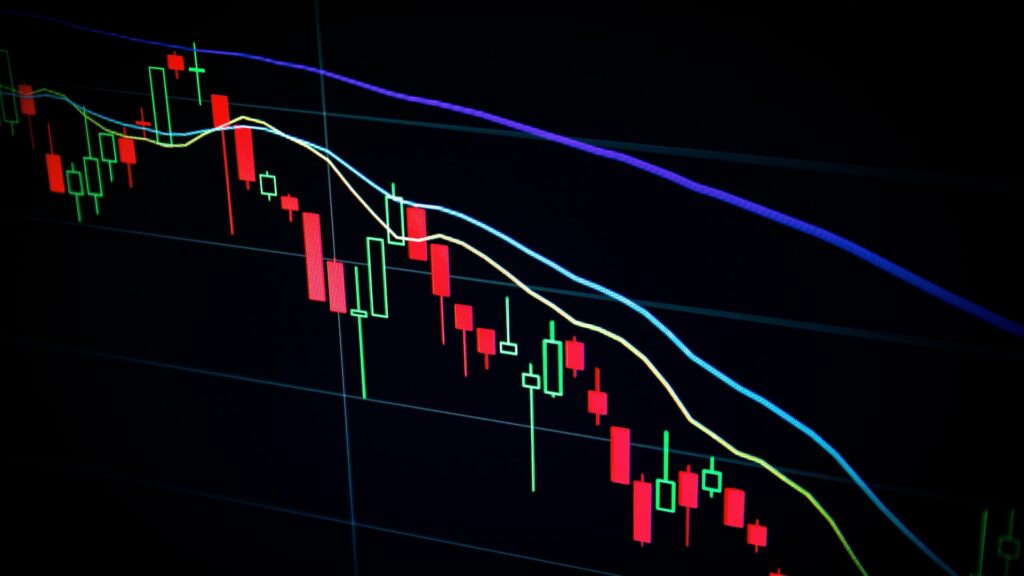
One of the primary risks in forex trading is market volatility. Currency prices can fluctuate rapidly due to various factors such as economic news, geopolitical events, and market sentiment. Sudden price movements can lead to significant gains or losses, making it essential for traders to have a solid risk management strategy in place.
2. Leverage
Leverage is a double-edged sword in forex trading. While it allows traders to control larger positions with a smaller amount of capital, it also amplifies both profits and losses. High leverage can result in substantial losses if trades move against the trader. It’s crucial to use leverage judiciously and consider the potential risks before entering leveraged positions.
3. Counterparty Risk
Counterparty risk refers to the risk of default by the broker or financial institution holding the trader’s funds. It’s essential to choose a reputable and regulated broker that segregates client funds from their own. Regulatory oversight and financial stability are key factors to consider when selecting a broker to mitigate counterparty risk.
4. Liquidity Risk
Liquidity risk arises when there is insufficient market liquidity to execute trades at desired prices. In times of low liquidity, such as during major news releases or market holidays, spreads can widen significantly, and slippage may occur. Traders should be cautious during these periods and consider adjusting their trading strategies accordingly.
5. Psychological Factors
Psychological factors play a significant role in forex trading. Greed, fear, and emotional biases can cloud judgment and lead to impulsive trading decisions. Traders need to develop discipline and emotional control to avoid making irrational choices based on short-term market fluctuations.
6. Lack of Knowledge and Experience
Insufficient knowledge and experience in forex trading can pose significant risks. Without a solid understanding of market fundamentals, technical analysis, and risk management strategies, traders may make uninformed decisions and face unnecessary losses. Continuous learning, practice, and seeking guidance from experienced traders or educational resources can help mitigate this risk.
7. System Failures and Technical Issues
System failures and technical issues can disrupt trading activities and lead to missed opportunities or erroneous trades. It’s important to have a stable internet connection and reliable trading platform. Traders should also consider backup plans in case of technical failures, such as having access to alternative devices or backup power sources.
Conclusion
Forex trading involves various risks that traders must be aware of and manage effectively. Market volatility, leverage, counterparty risk, liquidity risk, psychological factors, lack of knowledge and experience, and system failures are among the main risks involved. By understanding these risks and implementing appropriate risk management strategies, traders can navigate the forex market with greater confidence and increase their chances of long-term success.