What Are the Basics a Beginner Should Know About Forex Trading?
Forex trading, also known as foreign exchange trading, is the process of buying and selling currencies in the global market. It can be an exciting and potentially lucrative venture for beginners. However, before diving into the world of forex trading, it’s essential to understand the basics. In this blog post, we will discuss the fundamental concepts that every beginner should know about forex trading.
1. Understanding the Forex Market
1.1 What Is Forex Trading?
Forex trading involves the buying and selling of currencies. The forex market is the largest financial market globally, with trillions of dollars traded daily. It operates 24 hours a day, five days a week, across different time zones. Unlike the stock market, the forex market does not have a centralized exchange, and trading is conducted electronically over-the-counter (OTC).
1.2 Major Currency Pairs
In forex trading, currencies are traded in pairs. The most commonly traded currency pairs are known as major currency pairs. These include EUR/USD, GBP/USD, USD/JPY, and USD/CHF. Understanding the major currency pairs is essential as they typically have higher liquidity and tighter spreads.
2. Factors Affecting Currency Prices
2.1 Supply and Demand
Currency prices are primarily influenced by supply and demand dynamics. If the demand for a particular currency exceeds its supply, its value is likely to appreciate. Conversely, if there is more supply than demand, the currency’s value may depreciate.
2.2 Economic Indicators
Economic indicators, such as GDP, inflation rates, and employment data, play a significant role in currency valuation. Positive economic indicators generally strengthen a currency, while negative indicators can weaken it. Stay updated with economic news releases to understand how they may impact currency prices.
3. Basic Trading Terminology
3.1 Pips
A pip, short for “percentage in point,” is the smallest unit of price movement in forex trading. Most currency pairs are quoted with four decimal places, and a pip represents the fourth decimal place. For example, if the EUR/USD pair moves from 1.2500 to 1.2505, it has moved up by 5 pips.
3.2 Lots
In forex trading, a lot refers to the standardized quantity in which currency pairs are traded. The three main types of lots are standard lots (100,000 units), mini lots (10,000 units), and micro lots (1,000 units). Lot sizes determine the potential profits or losses of a trade.
4. Choosing a Forex Broker
4.1 Regulatory Compliance
When selecting a forex broker, ensure they are regulated by a reputable financial authority. Regulatory bodies provide oversight and protection for traders’ funds. Examples of trusted regulatory bodies include the Financial Conduct Authority (FCA), the Securities and Exchange Commission (SEC), and the Australian Securities and Investments Commission (ASIC).
4.2 Trading Platform
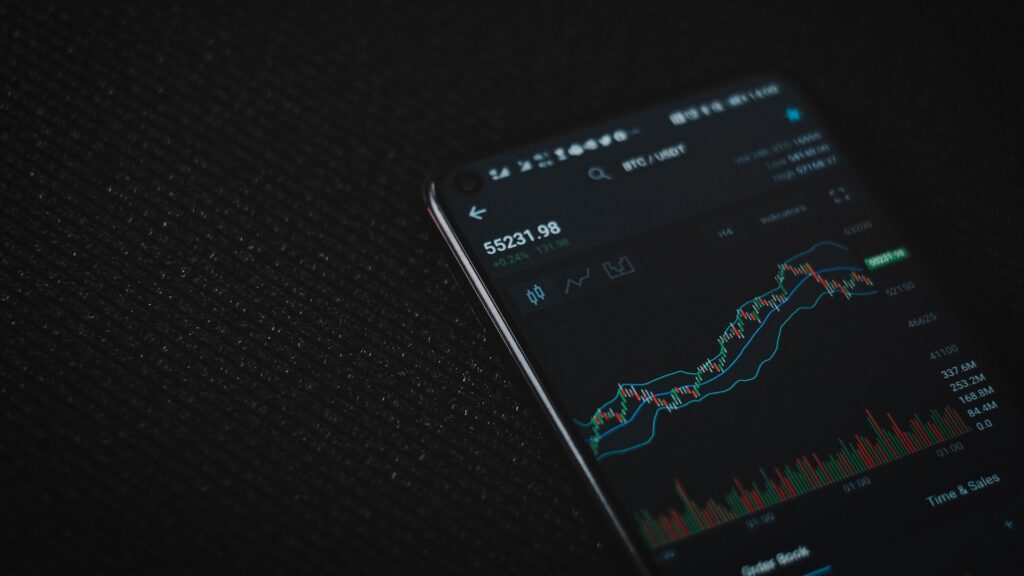
A user-friendly and reliable trading platform is essential for executing trades effectively. Look for platforms that offer real-time price charts, technical analysis tools, and order execution capabilities. Popular trading platforms include MetaTrader 4 (MT4) and MetaTrader 5 (MT5).
5. Risk Management
5.1 Demo Trading
Before risking real money, practice trading in a demo account. Demo accounts allow beginners to familiarize themselves with the trading platform and test their trading strategies without the fear of losing actual funds.
5.2 Stop-Loss Orders
Implementing stop-loss orders is crucial for managing risk in forex trading. A stop-loss order automatically closes a trade if the price reaches a predetermined level. This helps limit potential losses and protects your trading capital.
Conclusion
As a beginner in forex trading, it’s important to grasp the basics before diving into the market. Understand the forex market, factors influencing currency prices, and basic trading terminology. Choose a reputable forex broker and focus on risk management to protect your capital. With continuous learning and practice, you can navigate the forex market with confidence and increase your chances of success.