Introduction to Technical Analysis in Forex Trading
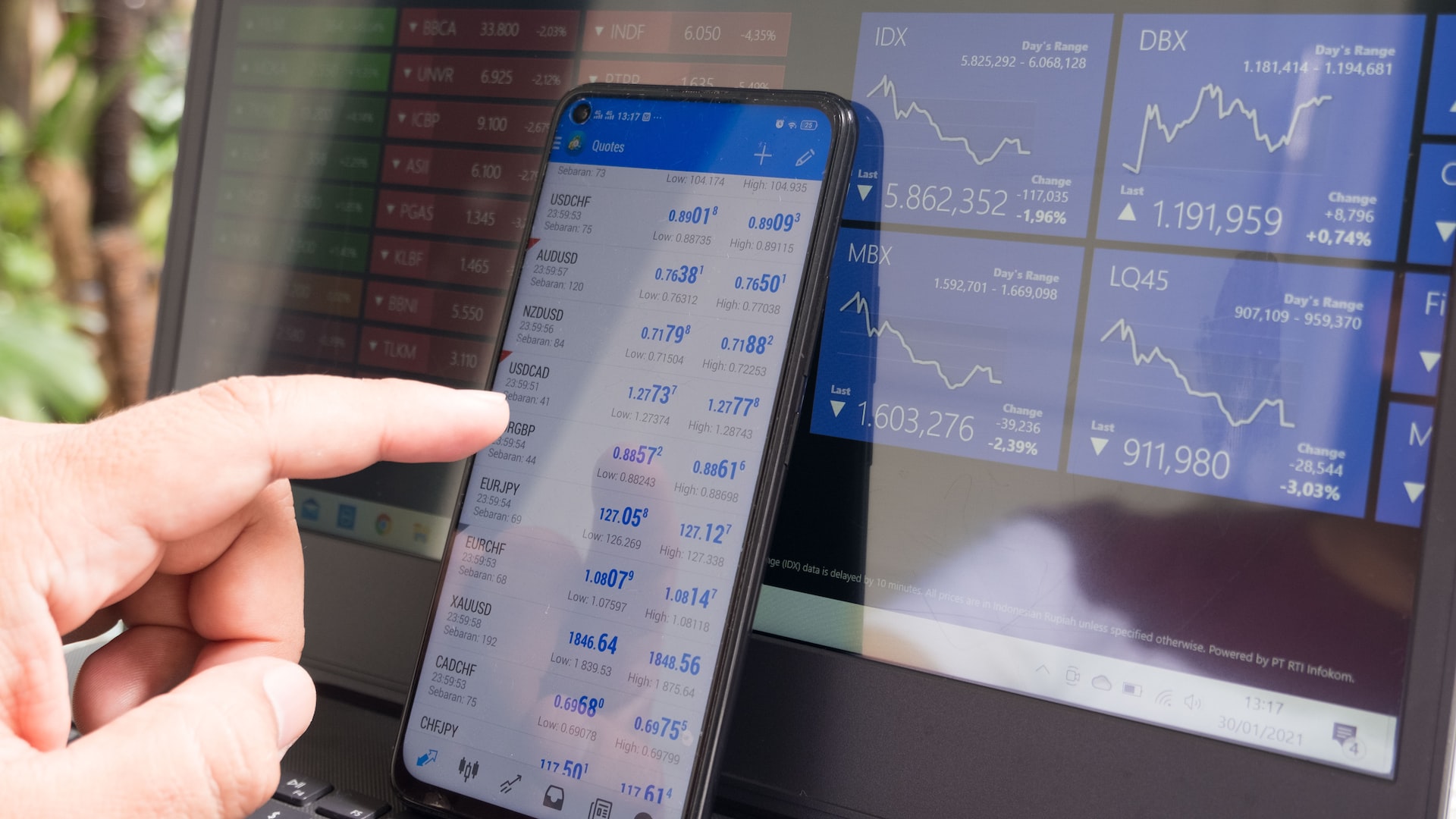
Technical analysis is a method used by forex traders to analyze price charts and identify potential trading opportunities. It involves studying historical data, such as price and volume, to identify patterns, trends, and indicators that can guide trading decisions.
Section 2: Key Principles of Technical Analysis
Before diving into specific strategies, it’s important to understand some key principles of technical analysis:
Subsection 2.1: Trend Analysis
Trend analysis is one of the fundamental principles of technical analysis. It involves identifying the direction of the market trend, whether it’s upward (bullish), downward (bearish), or sideways (range-bound). Traders can use various tools, such as moving averages and trend lines, to identify and confirm trends.
Subsection 2.2: Support and Resistance Levels
Support and resistance levels are price levels where the market tends to react, causing prices to pause, reverse, or accelerate. Traders use these levels to identify potential entry and exit points, as well as to set stop-loss and take-profit levels.
Subsection 2.3: Chart Patterns
Chart patterns are specific formations that occur on price charts, indicating potential trend reversals or continuations. Some common chart patterns include head and shoulders, double tops and bottoms, triangles, and flags. Traders can use these patterns to anticipate future price movements and plan their trades accordingly.
Subsection 2.4: Indicators
Technical indicators are mathematical calculations based on price and volume data. They provide additional insights into price trends, momentum, volatility, and other aspects of market behavior. Popular indicators include moving averages, relative strength index (RSI), stochastic oscillator, and MACD (moving average convergence divergence).
Section 3: Effective Strategies for Leveraging Technical Analysis
Now that we have covered the key principles of technical analysis, let’s explore some effective strategies for leveraging it in forex trading:
Subsection 3.1: Trend Following
Trend following is a popular strategy that involves identifying and trading in the direction of the prevailing trend. Traders can use moving averages, trend lines, and other trend indicators to confirm and follow the trend. This strategy aims to capture profits by staying in trades as long as the trend remains intact.
Subsection 3.2: Breakout Trading
Breakout trading involves entering trades when the price breaks above a resistance level or below a support level. Traders can use chart patterns, such as triangles or rectangles, to identify potential breakout opportunities. This strategy aims to capture profits from the subsequent price momentum after a breakout occurs.
Subsection 3.3: Reversal Trading
Reversal trading focuses on identifying potential trend reversals and entering trades early in the new direction. Traders can look for chart patterns, candlestick patterns, or divergences between price and indicators to spot potential reversals. This strategy aims to capture profits from the beginning of a new trend.
Subsection 3.4: Multiple Time Frame Analysis
Multiple time frame analysis involves analyzing price charts across different time frames to gain a broader perspective of the market. Traders can use longer-term time frames to identify the overall trend and shorter-term time frames for precise entry and exit points. This strategy helps traders make more informed decisions by considering different time perspectives.
Section 4: Conclusion
Technical analysis is a valuable tool that forex traders can leverage to improve their trading decisions. By understanding the key principles of technical analysis and implementing effective strategies like trend following, breakout trading, reversal trading, and multiple time frame analysis, traders can enhance their chances of success. It’s important to remember that no strategy guarantees profits, and risk management is crucial in forex trading. Happy trading!