What are some best practices for maintaining an effective forex trading journal?
A forex trading journal is a valuable tool for traders to track their trades, analyze their performance, and improve their trading skills. However, to ensure its effectiveness, certain best practices should be followed when maintaining a forex trading journal. In this blog post, we will explore some of the best practices that can help you maximize the benefits of your trading journal and enhance your trading results.
1. Be Consistent and Detailed
Consistency is key when it comes to maintaining a forex trading journal. Make it a habit to record every trade you make, no matter how small or insignificant it may seem. Be diligent in documenting the trade details, including the currency pair, entry and exit prices, trade duration, position size, and any other relevant information. The more detailed and consistent you are, the more comprehensive your journal will be, allowing for more accurate analysis and evaluation.
2. Use Clear and Objective Language
When writing in your trading journal, use clear and objective language to describe your trades, observations, and analysis. Avoid using ambiguous or subjective terms that may lead to confusion later on. Be precise and concise in your descriptions, ensuring that anyone reading your journal can easily understand the information you’ve recorded.
3. Include Charts and Screenshots
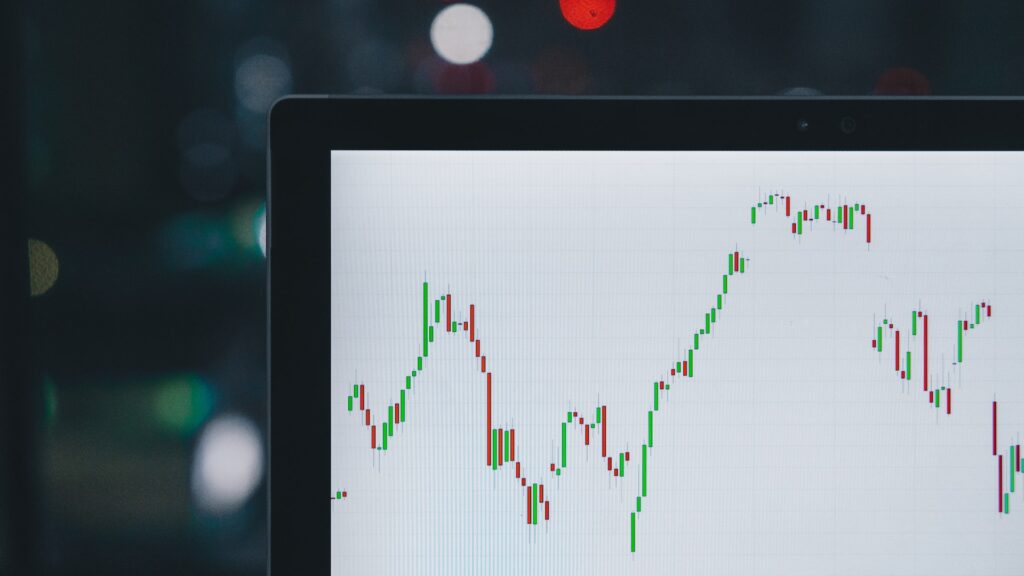
Incorporating charts and screenshots into your trading journal can provide visual representations of your trades and analysis. Include relevant charts that show the entry and exit points, trend lines, support and resistance levels, or any other technical indicators you used. Screenshots can also be helpful in capturing the market conditions or specific trade setups. Visual aids can enhance your analysis and make it easier to identify patterns and trends.
4. Reflect on Your Trades
Take the time to reflect on each trade you record in your journal. Analyze the reasons behind your trade decisions, evaluate the outcome, and consider what you could have done differently. Reflecting on your trades allows you to learn from your experiences and make improvements to your trading strategy and decision-making process. It also helps you identify any recurring mistakes or behavioral patterns that may be hindering your progress.
5. Regularly Review and Analyze
Make it a habit to regularly review and analyze your trading journal. Set aside dedicated time each week or month to go through your journal and assess your performance. Look for patterns, identify successful strategies, and pinpoint areas for improvement. Regularly reviewing your journal can provide valuable insights into your trading activities and help you refine your approach.
6. Set Realistic Goals
Include a section in your trading journal to set realistic goals for yourself. This can be in terms of profit targets, risk management, or any other aspect of your trading. Setting clear and achievable goals helps you stay focused and motivated. Regularly track your progress towards these goals and adjust them as necessary. This practice ensures that you have a sense of direction and purpose in your trading journey.
7. Learn from Successful Traders
Study the trading journals of successful traders and learn from their experiences. Reading about their strategies, insights, and lessons learned can provide valuable inspiration and guidance. Consider incorporating some of their best practices into your own journaling process. However, always remember that every trader is unique, and what works for one may not work for another. Adapt and personalize the best practices to suit your trading style and preferences.
Conclusion
Maintaining an effective forex trading journal is crucial for traders who want to improve their trading performance. By following best practices such as being consistent and detailed, using clear and objective language, including charts and screenshots, reflecting on your trades, regularly reviewing and analyzing your journal, setting realistic goals, and learning from successful traders, you can enhance the value of your trading journal and gain valuable insights into your trading activities. Embrace these best practices and make journaling an integral part of your trading routine to become a more disciplined and successful forex trader.