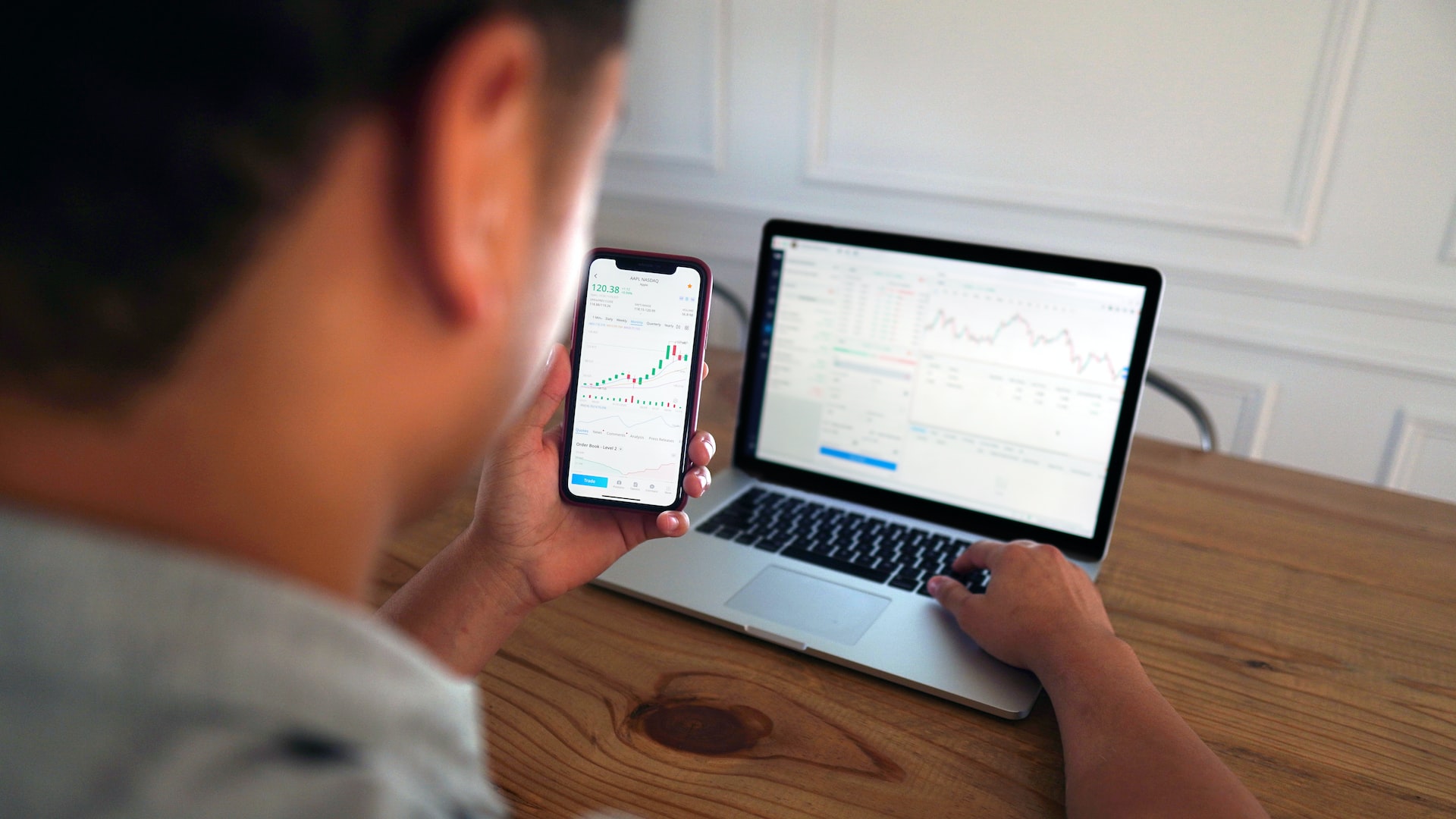
What are candlestick charts and how can they be used in forex trading?
In the world of forex trading, candlestick charts are a popular tool used by traders to analyze and interpret price movements. These charts provide valuable insights into market sentiment and can be used to make informed trading decisions. In this blog post, we will explore what candlestick charts are and how they can be effectively used in forex trading.
1. Understanding Candlestick Charts
Candlestick charts originated in Japan in the 18th century and have since gained widespread popularity in the financial markets. They are visual representations of price movements over a specific period of time and consist of individual “candles” that provide information about the opening, closing, high, and low prices for that period.
Components of a Candlestick
A candlestick is made up of a rectangular body and two thin lines extending from the top and bottom, known as the wicks or shadows. The body represents the price range between the opening and closing prices, while the wicks show the high and low prices reached during that period.
Candlestick Colors
In most charting software, candlesticks are color-coded to indicate whether the price has risen or fallen during the given period. Typically, a green or white candle signifies a price increase (bullish), while a red or black candle represents a price decrease (bearish).
2. Using Candlestick Patterns
Candlestick charts are not just visual representations of price movements; they also provide valuable information through various candlestick patterns. These patterns can help traders identify potential trend reversals, market indecision, and potential entry or exit points. Here are a few commonly used candlestick patterns:
Doji
A doji candlestick has a small body, indicating that the opening and closing prices are very close or identical. This pattern suggests market indecision and can signal a potential trend reversal.
Hammer and Hanging Man
A hammer candlestick has a small body and a long lower wick, while a hanging man candlestick has a small body and a long upper wick. These patterns can indicate a potential reversal in the current trend.
Engulfing Patterns
An engulfing pattern occurs when a larger candle fully engulfs the previous smaller candle. A bullish engulfing pattern forms when a green candle engulfs a preceding red candle, indicating a potential uptrend. Conversely, a bearish engulfing pattern forms when a red candle engulfs a preceding green candle, suggesting a potential downtrend.
3. Applying Candlestick Analysis in Forex Trading
When using candlestick charts for forex trading, it’s important to consider the following:
Identifying Trends
Candlestick charts can help traders identify trends, whether they are bullish (upward) or bearish (downward). By analyzing the patterns and formations of candlesticks, traders can gain insights into the current market sentiment and make appropriate trading decisions.
Confirming Entry and Exit Points
Candlestick patterns can be used to confirm potential entry and exit points in forex trading. For example, a bullish engulfing pattern following a downtrend may indicate a buying opportunity, while a bearish engulfing pattern after an uptrend may signal a selling opportunity.
Managing Risk
Candlestick charts can also help traders manage risk by setting stop-loss orders. By considering the high and low prices indicated by the wicks, traders can determine appropriate levels to place stop-loss orders to limit potential losses.
Conclusion
Candlestick charts are a powerful tool in forex trading, providing valuable insights into price movements and market sentiment. By understanding the different candlestick patterns and formations, traders can make informed decisions about trend reversals, entry and exit points, and risk management. Incorporating candlestick analysis into forex trading strategies can enhance trading performance and improve the likelihood of successful trades.