What advancements have been made in forex trading technology?
The forex market, also known as the foreign exchange market, is the largest financial market in the world, with trillions of dollars traded daily. In recent years, advancements in technology have transformed the way forex trading is conducted. In this blog post, we will explore some of the key advancements that have revolutionized forex trading and discuss their implications for traders.
1. Electronic Trading Platforms
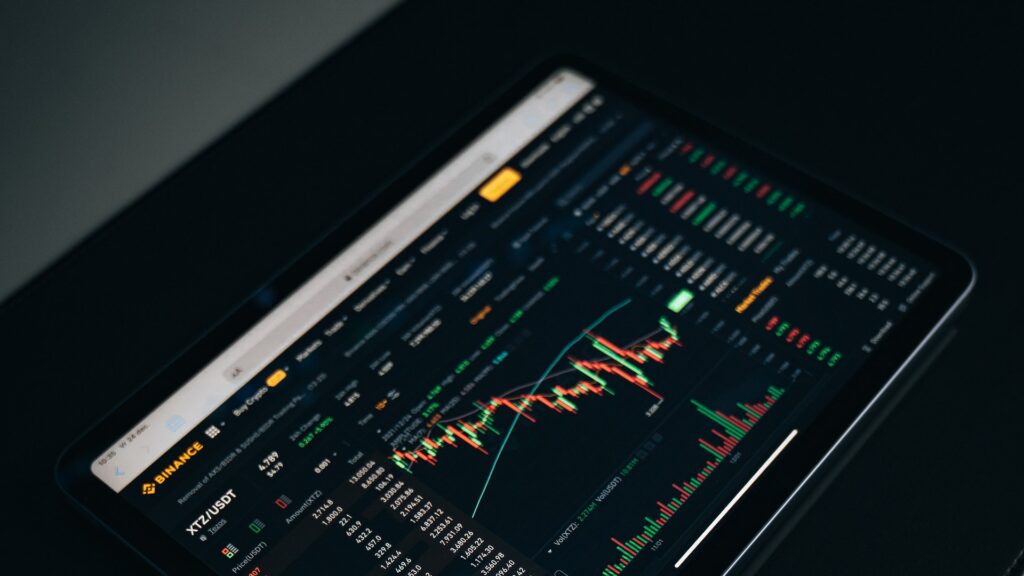
One of the significant advancements in forex trading technology is the development of electronic trading platforms. These platforms provide traders with direct access to the forex market, allowing them to execute trades electronically without the need for intermediaries. Electronic trading platforms offer real-time market data, advanced charting tools, and order execution capabilities, empowering traders to make informed decisions and execute trades efficiently.
1.1 MetaTrader
MetaTrader is one of the most widely used electronic trading platforms in the forex market. Developed by MetaQuotes Software, MetaTrader provides traders with a comprehensive set of tools and features. Traders can analyze market data, create and implement trading strategies, and execute trades seamlessly. MetaTrader also supports the use of automated trading systems, known as Expert Advisors, which enable traders to automate their trading strategies.
1.2 cTrader
cTrader is another popular electronic trading platform that offers advanced trading capabilities. Developed by Spotware, cTrader provides traders with a user-friendly interface, advanced charting features, and customizable trading tools. The platform also supports the use of algorithmic trading strategies and allows for direct market access (DMA) execution, which enables traders to execute trades directly with liquidity providers.
2. Algorithmic Trading
Algorithmic trading, also known as automated trading or algo trading, has revolutionized the forex market. Algorithmic trading involves the use of mathematical models and computer programs to execute trades based on predefined rules and parameters. This technology has significantly increased the speed and efficiency of trade execution, enabling traders to take advantage of market opportunities in real-time.
2.1 High-Frequency Trading (HFT)
High-frequency trading (HFT) is a form of algorithmic trading that relies on ultra-fast computers and high-speed data connections to execute a large number of trades within milliseconds. HFT algorithms analyze market data and execute trades at lightning-fast speeds, capitalizing on small price discrepancies and market inefficiencies. HFT has become prevalent in the forex market, contributing to increased liquidity and tighter bid-ask spreads.
2.2 Machine Learning and Artificial Intelligence (AI)
Machine learning and artificial intelligence have also made significant advancements in forex trading technology. These technologies enable computers to learn from historical market data and make predictions or decisions without being explicitly programmed. Machine learning algorithms can analyze vast amounts of data, identify patterns, and generate trading signals. AI-powered trading systems can adapt to changing market conditions and continuously improve their performance.
3. Mobile Trading
The advent of smartphones and mobile applications has transformed forex trading by enabling traders to access the market anytime, anywhere. Mobile trading apps allow traders to monitor market movements, analyze charts, execute trades, and manage their portfolios from their mobile devices. This flexibility has empowered traders to stay connected to the market and seize trading opportunities on the go.
4. Social Trading and Copy Trading
Social trading platforms have emerged as a popular trend in forex trading technology. These platforms allow traders to connect with each other, share trading ideas, and even copy the trades of successful traders. Social trading enables novice traders to learn from experienced traders, while copy trading allows traders to automatically replicate the trades of others. This technology has democratized trading and made it more accessible to a wider audience.
Conclusion
The advancements in forex trading technology have transformed the way traders participate in the forex market. Electronic trading platforms have provided direct market access and advanced trading tools, while algorithmic trading has increased trade execution speed and efficiency. Machine learning and artificial intelligence have brought predictive capabilities to trading systems, and mobile trading has made forex trading accessible on the go. Additionally, social trading and copy trading have fostered a sense of community and knowledge-sharing among traders. As technology continues to evolve, we can expect further advancements that will shape the future of forex trading.