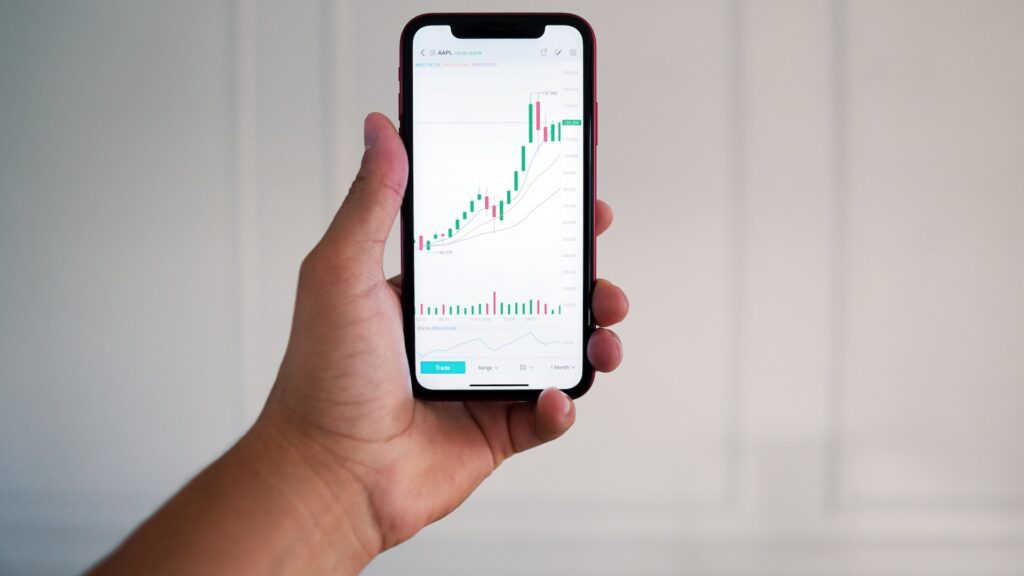
Advanced Trading Strategies in Forex
Forex trading offers a wide range of advanced strategies for traders looking to take their trading to the next level. These strategies go beyond basic technical analysis and require a deep understanding of market dynamics, risk management, and trading psychology. In this article, we will explore some advanced trading strategies that can be used in forex.
1. Scalping
Scalping is a high-intensity trading strategy that aims to make quick profits from small price movements. Traders who use this strategy open and close multiple trades within a short period, often holding positions for just a few minutes. Scalpers rely on technical analysis and use indicators such as moving averages, Bollinger Bands, and stochastic oscillators to identify short-term opportunities. This strategy requires excellent risk management skills and the ability to make quick decisions.
2. Day Trading
Day trading is a popular strategy where traders open and close positions within a single trading day, avoiding overnight exposure. Day traders analyze short-term price patterns and use technical indicators to identify entry and exit points. This strategy requires active monitoring of the market and quick decision-making. Traders often use chart patterns, candlestick patterns, and momentum indicators to identify potential trading opportunities.
3. Swing Trading
Swing trading is a medium-term strategy that aims to capture larger price movements over several days to weeks. Traders who use this strategy analyze both technical and fundamental factors to identify potential swing trading opportunities. Swing traders often use trend lines, Fibonacci retracements, and support and resistance levels to identify entry and exit points. This strategy requires patience and the ability to ride out short-term market fluctuations.
4. Carry Trading
Carry trading is a long-term strategy that takes advantage of interest rate differentials between different currencies. Traders who use this strategy borrow in a low-interest-rate currency and invest in a high-interest-rate currency, aiming to profit from the interest rate differential. Carry traders look for stable economic conditions and positive interest rate spreads. This strategy requires a thorough understanding of monetary policy and global macroeconomic trends.
5. Breakout Trading
Breakout trading is a strategy that aims to identify and profit from significant price movements that occur when the price breaks out of a defined range or level of support/resistance. Traders who use this strategy wait for a breakout above a resistance level or below a support level and enter trades in the direction of the breakout. This strategy requires the ability to identify key levels and the patience to wait for a confirmed breakout.
6. Algorithmic Trading
Algorithmic trading involves using computer programs and algorithms to execute trades automatically based on predefined rules and conditions. Traders who use this strategy develop or use existing algorithms that can analyze market data, identify trading opportunities, and execute trades without human intervention. Algorithmic trading can be based on technical analysis, statistical models, or even artificial intelligence. This strategy requires programming skills and a deep understanding of quantitative analysis.
Conclusion
Advanced trading strategies in forex offer traders the opportunity to take their trading to a higher level. Whether it’s scalping for quick profits, day trading for short-term opportunities, swing trading for medium-term gains, carry trading for interest rate differentials, breakout trading for capturing significant price movements, or algorithmic trading for automated execution, each strategy requires a unique skill set and approach. Traders should thoroughly understand the strategy they choose and continuously refine their skills and knowledge to succeed in the dynamic forex market.