How Do I Navigate the Process of Selecting a Forex Broker?
Choosing the right forex broker is a crucial step in your trading journey. With numerous options available, it’s important to navigate the selection process carefully to find a broker that meets your needs. In this article, we will guide you through the process of selecting a forex broker, providing you with the necessary steps to make an informed decision.
1. Define Your Trading Needs
The first step in selecting a forex broker is to define your trading needs. Consider factors such as your trading experience, preferred trading style, and the financial instruments you want to trade. Are you a beginner or an experienced trader? Do you prefer scalping or long-term trading? Do you want to trade only currency pairs or other financial instruments as well? By understanding your needs, you can narrow down your options and focus on brokers that cater to your specific requirements.
2. Research Different Brokers
Once you have defined your trading needs, conduct thorough research on different forex brokers. Look for brokers that are well-established and have a good reputation in the industry. Check if the broker is regulated by a reputable financial authority, as regulation ensures that the broker operates with transparency and adheres to strict guidelines. Additionally, read reviews and testimonials from other traders to gain insights into their experiences with different brokers.
3. Consider Trading Platform and Tools
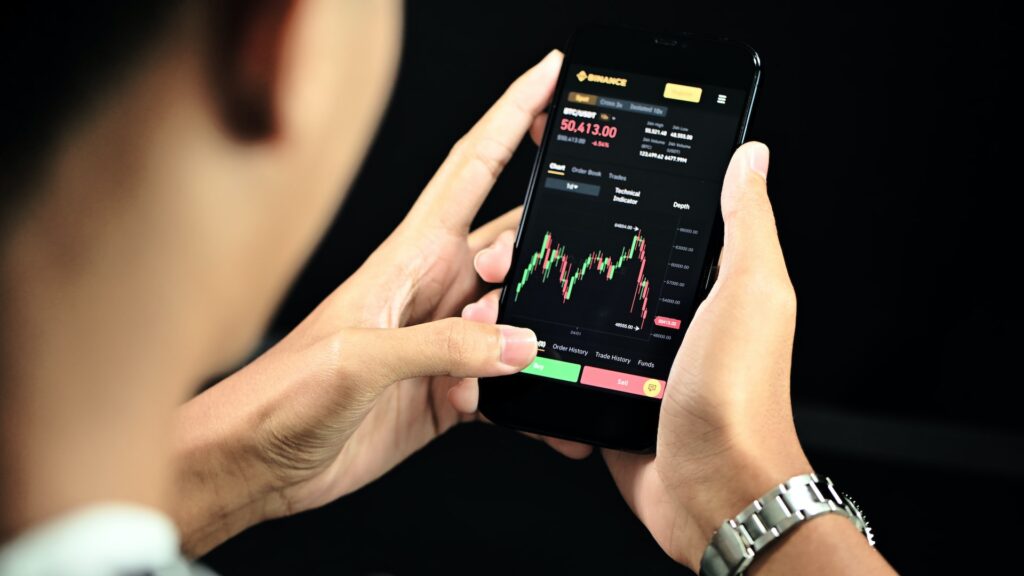
The trading platform and tools offered by a forex broker play a crucial role in your trading experience. Evaluate the trading platforms provided by different brokers and consider factors such as ease of use, stability, and availability of advanced charting tools. Look for platforms that offer real-time market data, order execution capabilities, and customization options. Additionally, check if the broker supports your preferred trading method, such as mobile trading or automated trading systems.
4. Evaluate Costs and Fees
Costs and fees are an important consideration when selecting a forex broker. Compare the spreads offered by different brokers, which are the difference between the buy and sell price of a currency pair. Lower spreads can result in lower transaction costs, making it easier to achieve profitability. Additionally, consider other fees such as commissions, overnight swap rates, or withdrawal fees. A transparent fee structure is essential for managing your trading expenses effectively.
5. Assess Customer Support
Customer support is crucial, especially when you need assistance or have questions regarding your trading activities. Evaluate the customer support services offered by different brokers. Look for brokers that provide responsive and knowledgeable customer support through multiple channels such as live chat, email, or phone. Prompt assistance can ensure that your concerns are addressed in a timely manner, enhancing your overall trading experience.
6. Test with a Demo Account
Before making a final decision, consider testing the broker’s services with a demo account. A demo account allows you to trade with virtual funds in real market conditions, giving you a chance to evaluate the broker’s trading platform and execution speed. Use this opportunity to familiarize yourself with the platform, test different strategies, and assess if the broker’s offerings align with your trading style and preferences.
7. Make Your Decision
After completing your research, evaluating different brokers, and testing with a demo account, it’s time to make your decision. Consider all the factors mentioned above, weigh the pros and cons of each broker, and choose the one that best suits your needs and preferences. Remember that selecting a forex broker is not a one-size-fits-all approach, and what works for one trader may not work for another. Trust your research and intuition to make an informed decision.
Conclusion
Selecting a forex broker requires careful consideration and research. Define your trading needs, research different brokers, evaluate trading platforms and tools, assess costs and fees, consider customer support, and test with a demo account. By following these steps, you can navigate the process of selecting a forex broker with confidence, ensuring that you find a broker that aligns with your trading goals and preferences.