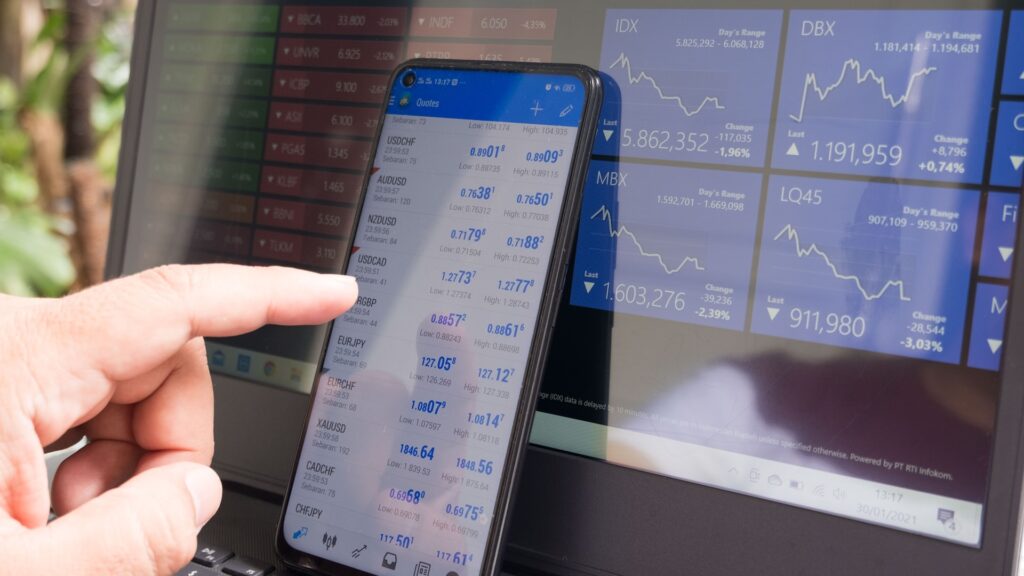
How do I choose the right trading platform for forex or stock trading?
Choosing the right trading platform is crucial for successful forex or stock trading. The platform you use can significantly impact your trading experience, execution speed, access to markets, and overall performance. With the multitude of options available, it’s important to consider several factors when selecting a trading platform. In this article, we will explore the key considerations to help you choose the right platform for your trading needs.
1. User-Friendly Interface
A user-friendly interface is essential for a smooth trading experience. Look for a platform that is intuitive and easy to navigate, with clear and organized features. The platform should provide a comprehensive view of market data, charts, and order execution. Avoid platforms that are overly complex or difficult to understand, as they may hinder your trading efficiency and decision-making process.
2. Market Access and Instrument Availability
Ensure that the trading platform you choose provides access to the markets and instruments you wish to trade. For forex trading, the platform should offer a wide range of currency pairs with competitive spreads. If you’re interested in stock trading, the platform should provide access to the stock exchanges and companies you want to invest in. Consider the availability of other financial instruments such as commodities, indices, or cryptocurrencies if you plan to diversify your trading portfolio.
3. Execution Speed and Reliability
Fast and reliable order execution is crucial in forex and stock trading. Look for a platform that offers low latency and minimal slippage. The platform should have a robust infrastructure and stable connectivity to ensure efficient trade execution. Read reviews and consider the reputation of the platform in terms of reliability and uptime to avoid potential disruptions during critical trading moments.
4. Charting and Technical Analysis Tools
Charting and technical analysis tools are essential for making informed trading decisions. The trading platform should provide a variety of chart types, timeframes, and drawing tools to analyze price movements. Look for indicators and overlays that align with your trading strategy. The ability to customize charts and save templates can also be beneficial for efficient analysis.
5. Risk Management Features
Effective risk management is vital in trading, and the platform should offer features to help you manage your positions and risk exposure. Look for platforms that allow you to set stop-loss and take-profit orders, as well as trailing stops. These features can help protect your capital and automate your risk management strategy.
6. Mobile Trading
In today’s fast-paced world, having access to your trading account on the go is essential. Consider a trading platform that provides mobile trading capabilities. Look for a mobile app that is compatible with your device and offers a similar user experience to the desktop platform. Mobile trading allows you to monitor your positions, place trades, and stay updated with market news and developments from anywhere at any time.
7. Security and Regulation
Security is of utmost importance when choosing a trading platform. Ensure that the platform is regulated by reputable financial authorities to protect your funds and personal information. Look for platforms that use robust encryption and have secure payment options. Additionally, consider the platform’s track record in terms of data security and customer support.
8. Demo Account and Educational Resources
Consider a platform that offers a demo account, allowing you to practice your trading strategies and familiarize yourself with the platform’s features without risking real money. Additionally, look for platforms that provide educational resources such as tutorials, webinars, and market analysis to enhance your trading knowledge and skills.
Conclusion
Choosing the right trading platform is crucial for successful forex or stock trading. Consider factors such as user-friendliness, market access, execution speed, charting tools, risk management features, mobile trading capabilities, security, and educational resources. Take the time to research and compare different platforms to find the one that best suits your trading needs and preferences. Remember, a reliable and efficient trading platform can significantly enhance your trading experience and increase your chances of success in the markets.