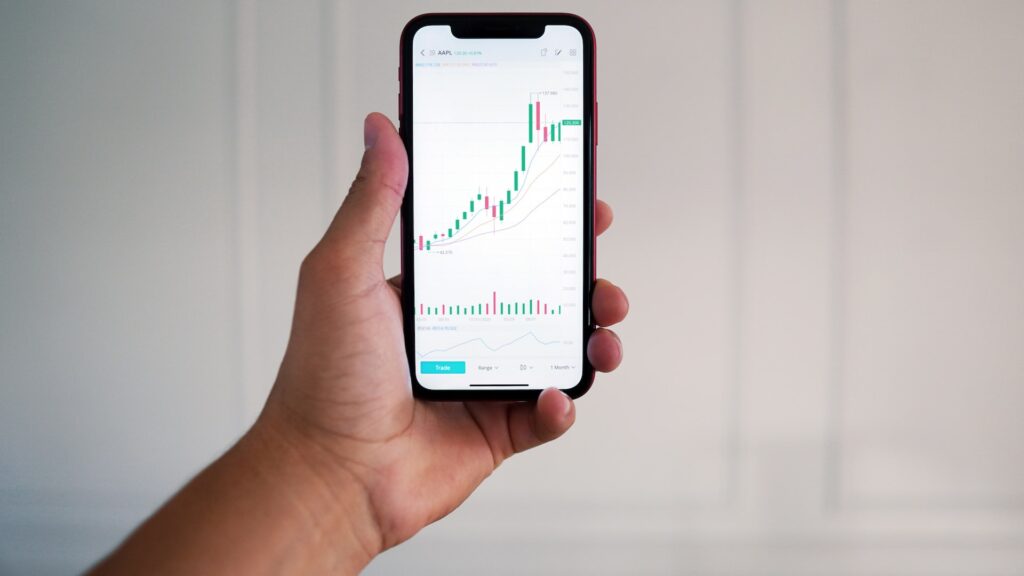
How Fees Vary Across Different Forex Trading Platforms in the UK
When it comes to forex trading platforms in the UK, understanding the various fees associated with trading is crucial. Different platforms may have different fee structures, and as a trader, it’s important to be aware of these fees to make informed decisions and manage your trading costs effectively. This blog post will explore how fees can vary across different forex trading platforms in the UK.
Section 1: Spread and Commission Fees
Subsection 1.1: Spread Fees
Spread fees are one of the most common types of fees charged by forex trading platforms. The spread refers to the difference between the bid and ask price of a currency pair. Platforms typically charge a variable or fixed spread on each trade executed. Variable spreads can fluctuate depending on market conditions, while fixed spreads remain constant regardless of market volatility. It’s important to compare spreads across different platforms to find one that offers competitive rates.
Subsection 1.2: Commission Fees
Some forex trading platforms charge commission fees in addition to the spread. These fees are usually calculated as a percentage of the trade’s value or a fixed amount per lot traded. Commission-based pricing may be more cost-effective for traders who execute larger trades or have a higher trading volume. However, it’s essential to consider commission fees in conjunction with spread fees to determine the overall cost of trading on a particular platform.
Section 2: Overnight Financing Fees
Subsection 2.1: Rollover or Swap Fees
Forex trading platforms may charge overnight financing fees, also known as rollover or swap fees. These fees are incurred when a trader holds a position overnight. Rollover fees are a result of the interest rate differentials between the currencies in a currency pair. The fee can be either positive or negative, depending on the interest rate differential. It’s important to consider overnight financing fees, especially for traders who engage in long-term positions or carry trades.
Section 3: Inactivity or Account Maintenance Fees
Subsection 3.1: Inactivity Fees
Some forex trading platforms impose inactivity or account maintenance fees on traders who do not actively trade for a certain period. These fees are designed to encourage traders to remain active on the platform and generate revenue for the platform provider. It’s important to be aware of any inactivity fees and understand the conditions under which they may be charged. Traders who do not plan to trade frequently may prefer platforms that do not impose such fees.
Section 4: Deposit and Withdrawal Fees
Subsection 4.1: Deposit Fees
While many forex trading platforms do not charge deposit fees, it’s essential to check for any potential charges before funding your trading account. Some platforms may have fees associated with specific payment methods or for certain currencies. Understanding the deposit fee structure can help you choose a platform that aligns with your preferred payment method and minimizes costs.
Subsection 4.2: Withdrawal Fees
Similar to deposit fees, some platforms may charge withdrawal fees when you withdraw funds from your trading account. These fees can vary depending on the withdrawal method or the frequency of withdrawals. It’s important to consider withdrawal fees and choose a platform that offers cost-effective withdrawal options, especially if you anticipate frequent or large withdrawals.
Section 5: Additional Fees to Consider
Subsection 5.1: Currency Conversion Fees
When trading forex, currency conversion fees may apply if you’re trading in a currency different from your account’s base currency. These fees are charged when converting funds from one currency to another and can vary across different platforms. If you frequently trade in currencies other than your account’s base currency, consider platforms that offer competitive currency conversion rates to minimize costs.
Subsection 5.2: Platform Subscription Fees
Some forex trading platforms offer advanced features or premium services through subscription plans. These plans may come with additional fees to access specialized tools, research, or educational resources. If you require specific features or value-added services, it’s important to consider any subscription fees and assess whether the benefits outweigh the costs.
Section 6: Conclusion
When selecting a forex trading platform in the UK, understanding the fee structure is crucial. Fees can significantly impact your trading costs and overall profitability. By considering spread and commission fees, overnight financing fees, inactivity or account maintenance fees, deposit and withdrawal fees, as well as additional fees like currency conversion fees and platform subscription fees, you can make an informed decision that aligns with your trading strategy and budget. Remember to compare fees across different platforms and consider the overall value and features offered to find the most suitable forex trading platform for your needs.