

Introduction
Technical analysis is a popular approach used by forex traders to analyze and predict price movements in currency pairs like GBP/USD. By examining historical price data and identifying patterns, trends, and indicators, traders can make informed decisions about when to enter or exit trades. In this blog post, we will explore how technical analysis can be applied to GBP/USD forex trading, providing valuable insights for traders.
1. Price Charts
1.1 Candlestick Charts
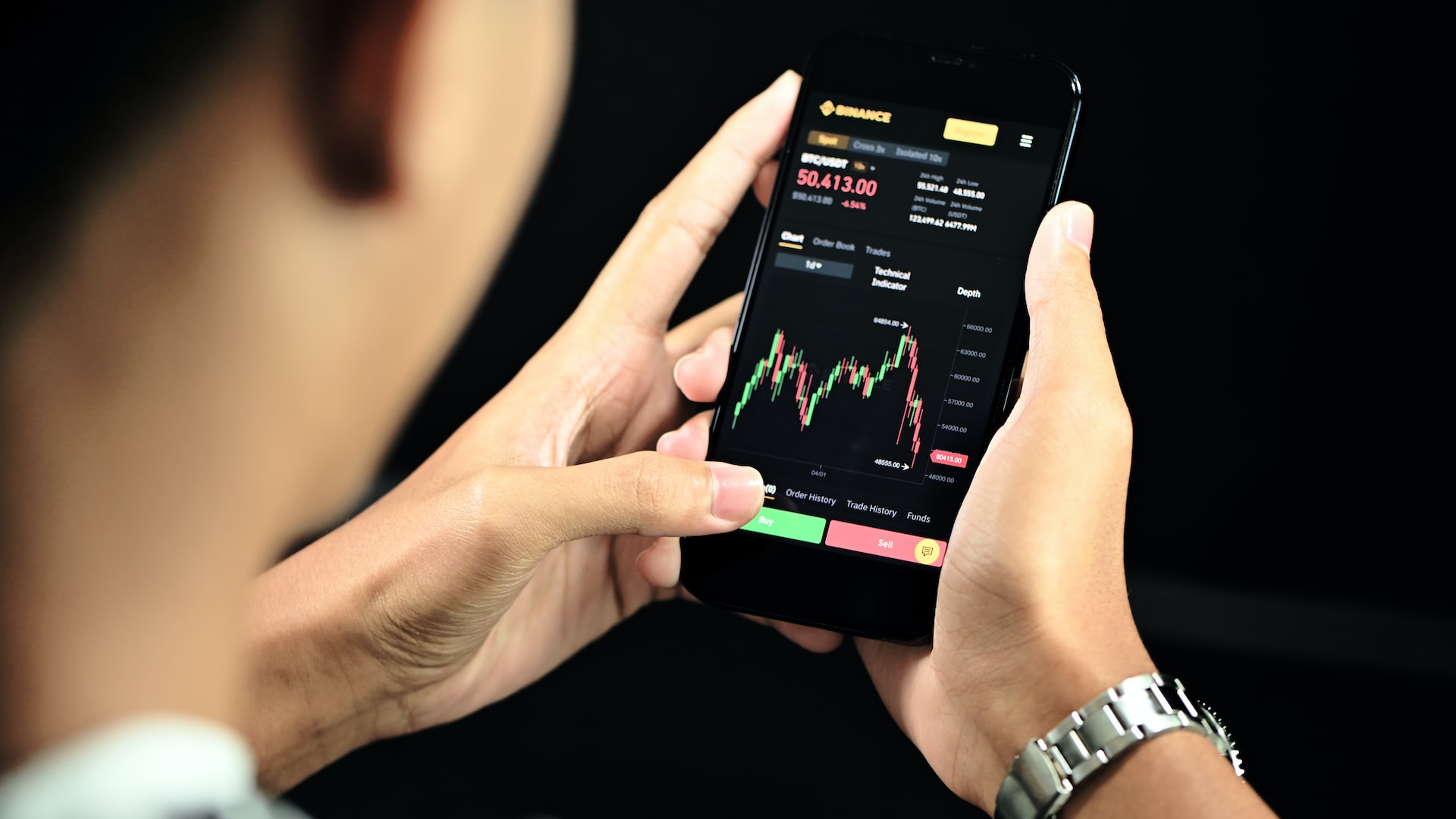
Candlestick charts are commonly used in technical analysis to visualize price movements. Traders can identify patterns, such as doji, hammer, or engulfing, which can indicate potential reversals or continuation of trends. By understanding the patterns and their interpretations, traders can make informed decisions about buying or selling GBP/USD.
1.2 Time Frames
Traders can analyze GBP/USD using different time frames, such as daily, weekly, or hourly charts. Longer time frames provide a broader perspective on trends, while shorter time frames offer more detailed information for precise entry and exit points. Traders use multiple time frame analysis to confirm trends and identify potential trading opportunities.
2. Trend Analysis
2.1 Support and Resistance Levels
Support and resistance levels are key elements in technical analysis. Support levels act as a floor where the price tends to bounce back, while resistance levels act as a ceiling where the price tends to reverse. By identifying these levels on GBP/USD charts, traders can anticipate potential price movements and adjust their trading strategies accordingly.
2.2 Moving Averages
Moving averages are widely used to identify trends and smooth out price fluctuations. Traders often use the 50-day and 200-day moving averages to identify long-term trends in GBP/USD. When the shorter-term moving average crosses above the longer-term moving average, it may indicate a bullish trend, while a bearish trend may be signaled by the opposite crossover.
3. Technical Indicators
3.1 Relative Strength Index (RSI)
The RSI is a popular momentum oscillator used in technical analysis. It measures the speed and change of price movements, indicating whether a currency pair is overbought or oversold. Traders can use the RSI to identify potential reversal points in GBP/USD, helping them make decisions about entering or exiting trades.
3.2 Moving Average Convergence Divergence (MACD)
The MACD is a trend-following momentum indicator that helps traders identify potential buy and sell signals. It consists of two lines: the MACD line and the signal line. When the MACD line crosses above the signal line, it may indicate a bullish signal, while a bearish signal may be indicated by the opposite crossover. Traders often use the MACD to confirm trends in GBP/USD.
Conclusion
Technical analysis offers valuable tools and techniques for traders to analyze GBP/USD forex trading. By studying price charts, identifying trends, and utilizing technical indicators, traders can gain insights into potential price movements and make informed trading decisions. While technical analysis is not foolproof, it can provide a structured approach to analyzing GBP/USD and enhance traders’ chances of success in the dynamic forex market.