

Introduction
Predicting forex exchange rates is a challenging task, as the forex market is influenced by various factors and is highly volatile. However, by understanding and analyzing key factors that affect currency movements, traders can make more informed predictions. In this blog post, we will explore some methods and strategies that can help you predict forex exchange rates.
1. Fundamental Analysis
Evaluating Economic Factors
Fundamental analysis involves evaluating economic factors that can impact currency values. By monitoring key indicators such as GDP growth, inflation rates, interest rates, employment data, and trade balances, traders can gain insights into the strength or weakness of a particular currency. Understanding the economic fundamentals of a country can help predict the future direction of its currency.
2. Technical Analysis
Examining Historical Price Patterns
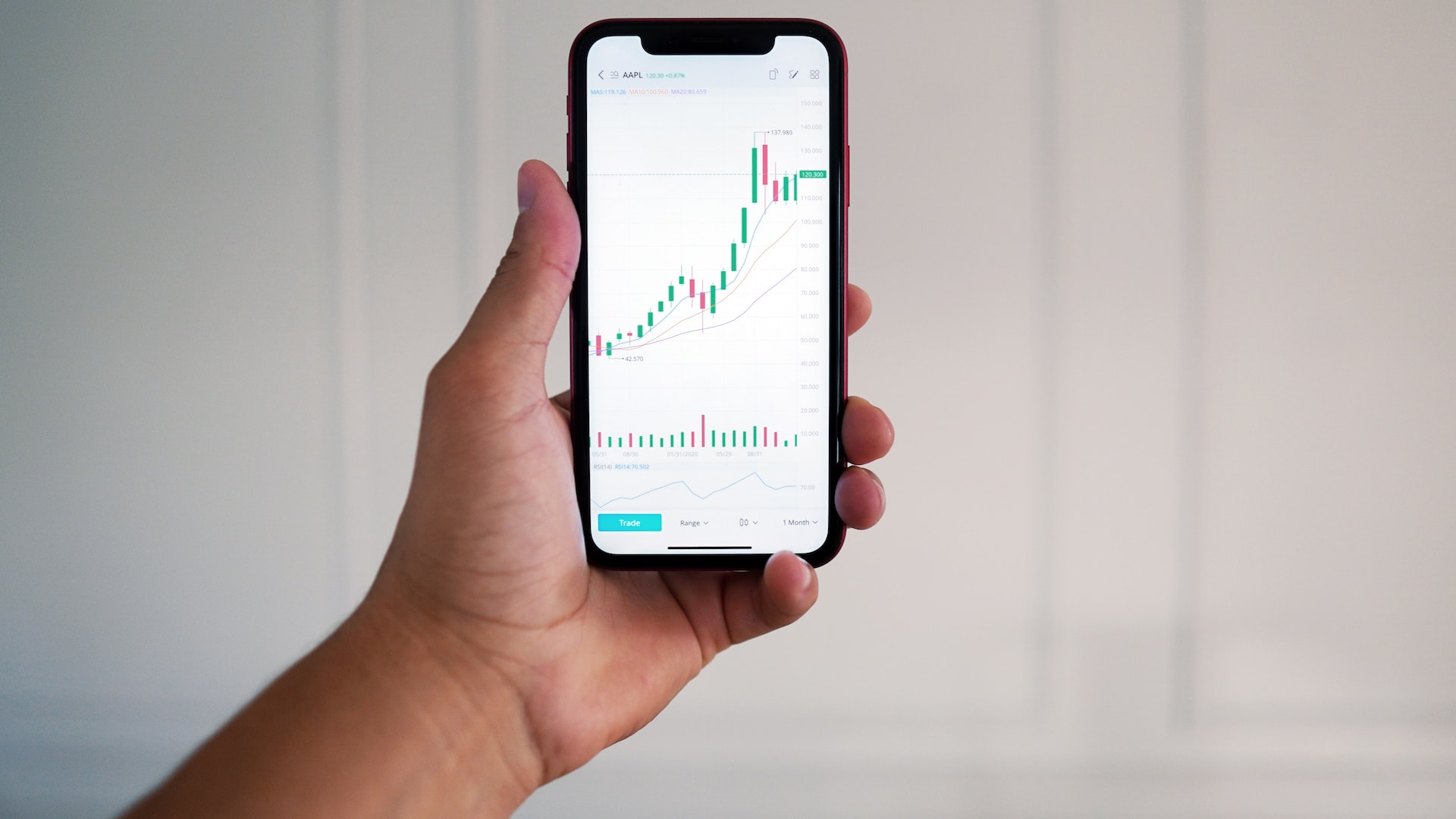
Technical analysis involves studying historical price patterns and trends to predict future price movements. Traders use various tools and indicators, such as moving averages, support and resistance levels, and chart patterns, to identify potential entry and exit points. By analyzing chart patterns and trendlines, traders can make predictions about the future direction of a currency pair.
3. Sentiment Analysis
Assessing Market Sentiment
Sentiment analysis involves assessing the overall attitude and emotions of traders and investors towards a particular currency pair. By analyzing market sentiment, traders can gauge whether the majority of participants are optimistic or pessimistic. This information can help predict short-term price movements and potential reversals. Sentiment analysis can be done through news analysis, social media monitoring, and sentiment indicators.
4. Geopolitical Events and News
Monitoring Global Developments
Geopolitical events and news can have a significant impact on currency values. Traders should stay informed about global developments such as political changes, trade agreements, and economic policies of key countries. By understanding how these events can influence currency movements, traders can make predictions based on the potential impact of geopolitical factors.
5. Using Forex Forecasting Tools
Leveraging Technology for Predictions
There are several forex forecasting tools and software available that use advanced algorithms and historical data to predict currency movements. These tools analyze various factors and indicators to generate forecasts. While these tools can be helpful, it’s important to understand their limitations and use them as a part of a comprehensive analysis rather than relying solely on their predictions.
Conclusion
Predicting forex exchange rates is a complex task, but by utilizing fundamental analysis, technical analysis, sentiment analysis, monitoring geopolitical events, and leveraging forex forecasting tools, traders can improve their ability to make predictions. It’s important to note that no prediction method is foolproof, and forex trading involves risks. Combining multiple strategies and staying informed about global developments can enhance your chances of making more accurate predictions in the dynamic forex market.