How can I compare different forex trading platforms?
Choosing the right forex trading platform is essential for traders to effectively participate in the foreign exchange market. With numerous platforms available, it can be overwhelming to determine which one is the best fit for your trading needs. In this blog post, we will guide you through the process of comparing different forex trading platforms, helping you make an informed decision.
Section 1: Identify Your Trading Goals and Style
Before comparing forex trading platforms, it’s crucial to identify your trading goals and style. Are you a short-term scalper or a long-term position trader? Do you prefer manual trading or automated strategies? Understanding your trading preferences will help you assess whether a platform aligns with your specific requirements.
Section 2: Consider User-Friendliness and Interface
User-friendliness and a well-designed interface are important factors to consider when comparing trading platforms. A platform should be intuitive, easy to navigate, and offer a smooth trading experience. Look for platforms that provide customizable layouts, clear charting tools, and a user-friendly order entry system. A cluttered or confusing interface can hinder your trading efficiency.
Section 3: Evaluate Charting and Technical Analysis Tools
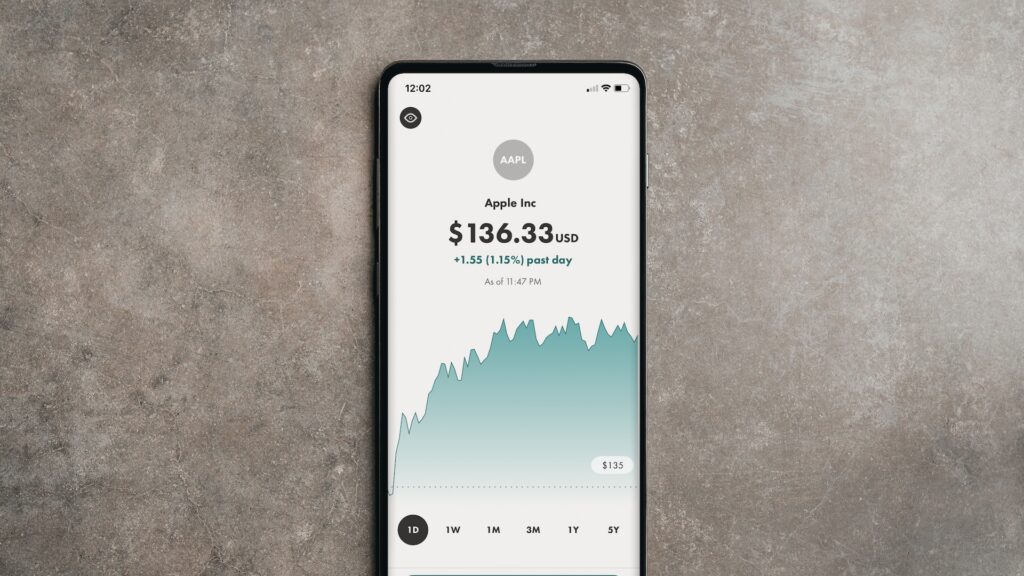
Charting and technical analysis tools are vital for making informed trading decisions. Compare the charting capabilities and available technical indicators offered by different platforms. Look for platforms that provide a wide range of chart types, drawing tools, and indicators. Advanced charting features such as pattern recognition or backtesting functionalities can be beneficial for more experienced traders.
Section 4: Assess Order Types and Execution Speed
Order types and execution speed play a significant role in forex trading. Different platforms offer various order types such as market orders, limit orders, or stop orders. Consider the execution speed and reliability of the platform, as delays or slippages can impact your trading results. Look for platforms that offer fast and accurate order execution to ensure you can enter and exit trades efficiently.
Section 5: Analyze Available Market Research and News
Access to market research and news can provide valuable insights for your trading decisions. Compare the research tools and news resources offered by different platforms. Look for platforms that provide real-time news feeds, economic calendars, and analysis from reputable sources. Having access to comprehensive market information can help you stay updated and make informed trading choices.
Section 6: Consider Mobile Trading Capabilities
In today’s fast-paced world, mobile trading capabilities are essential for traders who want to stay connected to the markets on the go. Evaluate whether the platforms you are comparing offer mobile trading options. Look for platforms with dedicated mobile apps that are compatible with your device’s operating system. A reliable and user-friendly mobile trading experience can be a valuable addition to your trading toolkit.
Section 7: Evaluate Security and Regulation
Security and regulation are crucial considerations when comparing forex trading platforms. Look for platforms that are regulated by reputable financial authorities. Regulation ensures that the platform operates under specific guidelines, providing a level of protection for traders. Additionally, evaluate the security measures implemented by the platform to safeguard your personal and financial information.
Section 8: Compare Fees and Trading Costs
Fees and trading costs can significantly impact your profitability. Compare the fee structures of different trading platforms, including spreads, commissions, and other charges. Consider both explicit and implicit costs, such as overnight financing fees or inactivity fees. Look for platforms that offer competitive pricing without compromising on the quality of services provided.
Section 9: Assess Customer Support
Customer support is crucial when using a forex trading platform. Evaluate the customer support options offered by the platforms you are comparing. Look for platforms that provide responsive customer support through various channels, such as phone, email, or live chat. Prompt and knowledgeable customer support can help address any concerns or technical issues you may encounter during your trading journey.
Section 10: Consider Additional Features and Integration
Take into account any additional features or integrations offered by the trading platforms. Some platforms may provide access to social trading networks, automated trading systems, or third-party tools and plugins. Consider whether these features align with your trading goals and can enhance your trading experience.
Section 11: Conclusion
Comparing forex trading platforms requires careful evaluation of factors such as your trading goals and style, user-friendliness, charting tools, order types, market research, mobile trading capabilities, security, fees, customer support, and additional features. By considering these aspects, you can choose a platform that suits your needs, enhances your trading experience, and supports your journey towards trading success.