How Can Forex Simulation be Used to Test Trading Tactics?
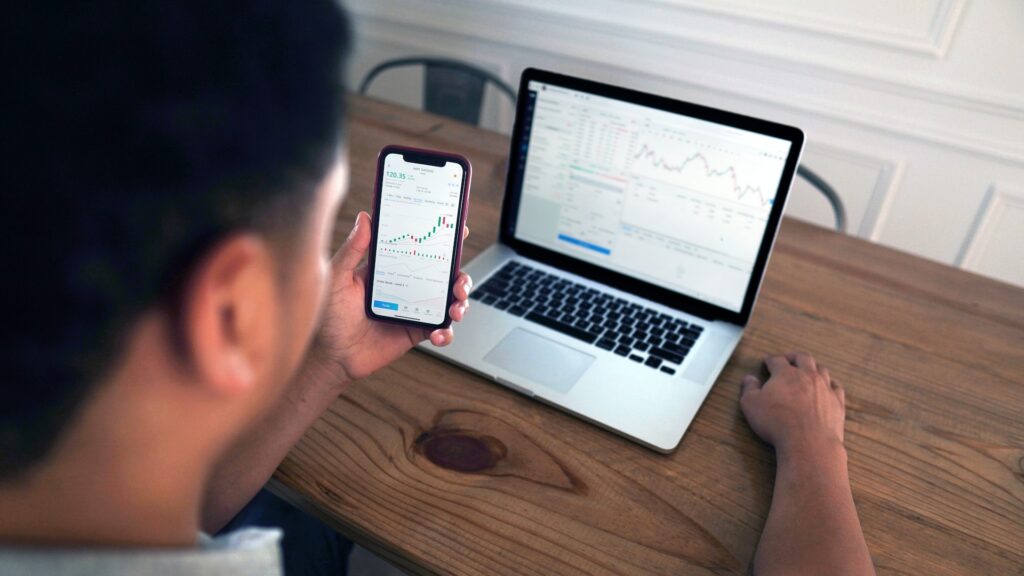
Forex simulation, also known as forex demo trading, is a valuable tool for traders to test their trading tactics in a risk-free environment. It allows traders to practice their strategies, understand market dynamics, and gain confidence before risking real money in the live forex market. In this blog post, we will explore how forex simulation can be used to test trading tactics effectively.
1. Understanding Market Dynamics
Forex simulation provides traders with a realistic simulation of the forex market. It allows traders to observe and analyze market dynamics, such as price movements, trends, and volatility, without risking real capital. By immersing themselves in the simulated market environment, traders can gain a deeper understanding of how the forex market operates and how different factors influence currency pairs.
2. Testing Trading Strategies
One of the primary benefits of forex simulation is the ability to test trading strategies in a risk-free setting. Traders can implement their trading tactics and observe how they perform under various market conditions. They can analyze the effectiveness of their entry and exit points, risk management techniques, and overall profitability. This allows traders to fine-tune their strategies and make necessary adjustments before trading with real money.
2.1. Backtesting Historical Data
Forex simulation platforms often provide access to historical market data. Traders can use this feature to backtest their trading strategies on past price movements. By analyzing how their strategies would have performed in the past, traders can gain insights into the strategy’s strengths and weaknesses. This historical analysis helps traders refine their tactics and understand the potential risks and rewards associated with their chosen approach.
2.2. Real-Time Practice
In addition to backtesting, forex simulation also allows traders to practice in real-time. Traders can execute trades, monitor market conditions, and manage their positions just as they would in a live trading environment. This real-time practice helps traders develop discipline, improve decision-making skills, and gain confidence in executing their trading tactics effectively.
3. Learning Risk Management
Risk management is a crucial aspect of successful trading. Forex simulation provides traders with an opportunity to practice risk management techniques without the fear of losing real money. Traders can experiment with different position sizes, set stop-loss and take-profit levels, and observe the impact of risk management on their overall trading performance. This hands-on experience helps traders develop sound risk management practices and build a solid foundation for their trading journey.
4. Building Confidence
Trading in the forex market can be intimidating, especially for beginners. Forex simulation helps traders build confidence by allowing them to practice their trading tactics in a safe and controlled environment. As traders see positive results from their simulated trades, they gain confidence in their abilities and decision-making skills. This confidence is essential when transitioning to live trading, as it helps traders stay focused and disciplined even in volatile market conditions.
Conclusion
Forex simulation is a valuable tool for traders to test their trading tactics, understand market dynamics, and build confidence. By using forex simulation platforms, traders can gain practical experience, backtest historical data, practice risk management, and refine their strategies without risking real capital. Whether you are a beginner or an experienced trader, incorporating forex simulation into your trading routine can significantly enhance your skills and improve your chances of success in the challenging forex market.