

Introduction
Developing a trading strategy for each forex session is essential to take advantage of the varying market dynamics and trading opportunities throughout the day. In this blog post, we will discuss the key steps to help you develop an effective trading strategy for each forex session.
1. Understand the Characteristics of Each Session
The first step in developing a trading strategy for each forex session is to understand the characteristics of each session. This includes knowing the session’s trading hours, volatility, liquidity, and the major currency pairs involved. For example, the Asian session is known for its lower volatility, while the European and North American sessions are more active and volatile.
2. Analyze Historical Price Data
Analyzing historical price data for each session can provide valuable insights into the behavior of currency pairs during specific timeframes. Look for patterns, trends, and support/resistance levels that may influence price movements. This analysis will help you identify potential entry and exit points for your trades.
3. Monitor Economic Calendar
Stay updated with the economic calendar to be aware of important news releases and economic events scheduled during each session. These events can significantly impact currency prices and create trading opportunities. Adjust your trading strategy accordingly, considering the potential impact of the news releases on the currency pairs you are trading.
4. Use Technical Indicators
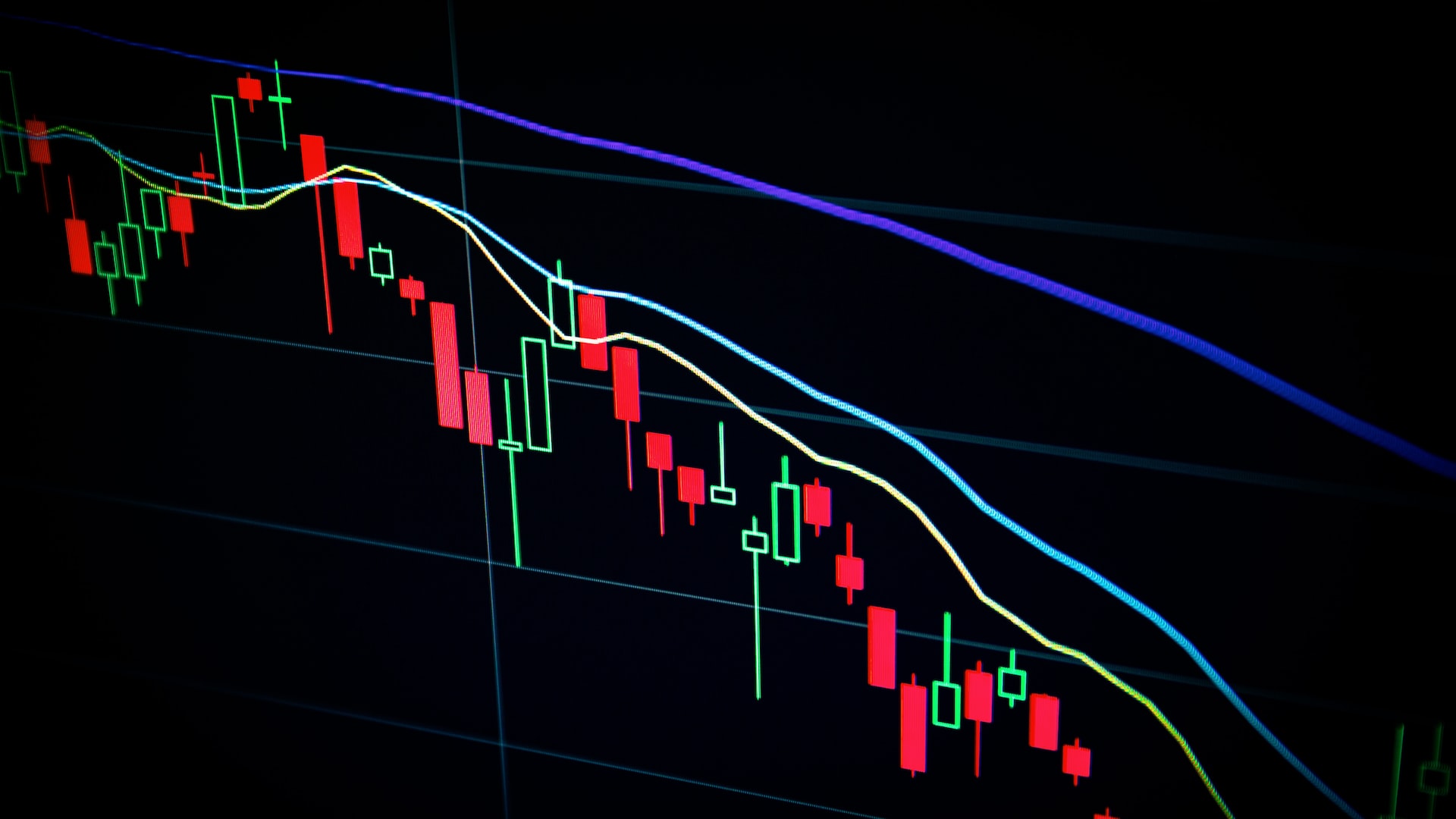
Utilize technical indicators to support your trading strategy for each session. Indicators such as moving averages, MACD, and RSI can help identify trends, momentum, and overbought/oversold conditions. Incorporate these indicators into your analysis to confirm potential trade setups and enhance your decision-making process.
5. Implement Risk Management Techniques
Risk management is crucial in developing a trading strategy for each forex session. Determine your risk tolerance and set appropriate stop-loss orders to limit potential losses. Consider position sizing based on your account size and risk appetite. By managing your risks effectively, you can protect your capital and stay in the game for the long term.
6. Demo Trading and Evaluation
Before implementing your trading strategy in live trading, practice it in a demo account. This allows you to test your strategy in real market conditions without risking real money. Evaluate your performance, make necessary adjustments, and refine your strategy based on your observations and results.
Conclusion
Developing a trading strategy for each forex session requires a thorough understanding of the session’s characteristics, analysis of historical price data, monitoring of the economic calendar, use of technical indicators, and implementation of sound risk management techniques. By tailoring your strategy to the specific dynamics of each session, you can increase your chances of success in the forex market.