

Introduction
Forex market timing strategies are essential for traders to optimize their trading activities and capitalize on favorable market conditions. By understanding the basics of forex market timing, traders can determine the most opportune moments to enter or exit trades. In this blog post, we will explore the fundamentals of forex market timing strategies and how they can be effectively implemented to enhance trading performance.
1. Session-Based Timing
One common approach to forex market timing is based on market sessions. The forex market operates globally, and different financial centers have their own opening and closing times. The major market sessions include the Sydney session, the Tokyo session, the London session, and the New York session. Each session has its own characteristics, such as volatility levels and liquidity. Traders can align their trading activities with specific sessions to take advantage of optimal trading conditions.
1.1 Sydney Session
The Sydney session is the first major session to open and is characterized by relatively low volatility. Traders who prefer a more stable and less volatile trading environment may find opportunities during this session. Currency pairs involving the Australian dollar (AUD) are often traded during this session.
1.2 Tokyo Session
The Tokyo session is known for its liquidity and volatility, as it overlaps with the Sydney session. Traders looking for potential price movements and trading opportunities may focus on currency pairs involving the Japanese yen (JPY) during this session.
1.3 London Session
The London session is considered the most active and liquid session, with high trading volumes. It overlaps with the Tokyo session, creating increased market activity. Traders who prefer high volatility and larger trading ranges may find the London session most favorable. Currency pairs involving the euro (EUR), British pound (GBP), and Swiss franc (CHF) are commonly traded during this session.
1.4 New York Session
The New York session is characterized by high trading volumes, especially during its overlap with the London session. Traders who prefer trading major currency pairs, such as the EUR/USD or GBP/USD, may find the New York session ideal. Volatility is often heightened during this session, presenting potential trading opportunities.
2. Economic Event-Based Timing
Another aspect of forex market timing strategies involves aligning trading activities with scheduled economic events. Economic events, such as central bank announcements, employment reports, and GDP releases, can significantly impact currency values and market volatility. Traders can monitor economic calendars to stay informed about upcoming events and adjust their trading activities accordingly. By avoiding trading during major economic events or positioning themselves to take advantage of expected market movements, traders can better manage their risk and potentially increase their profitability.
3. Technical Analysis-Based Timing
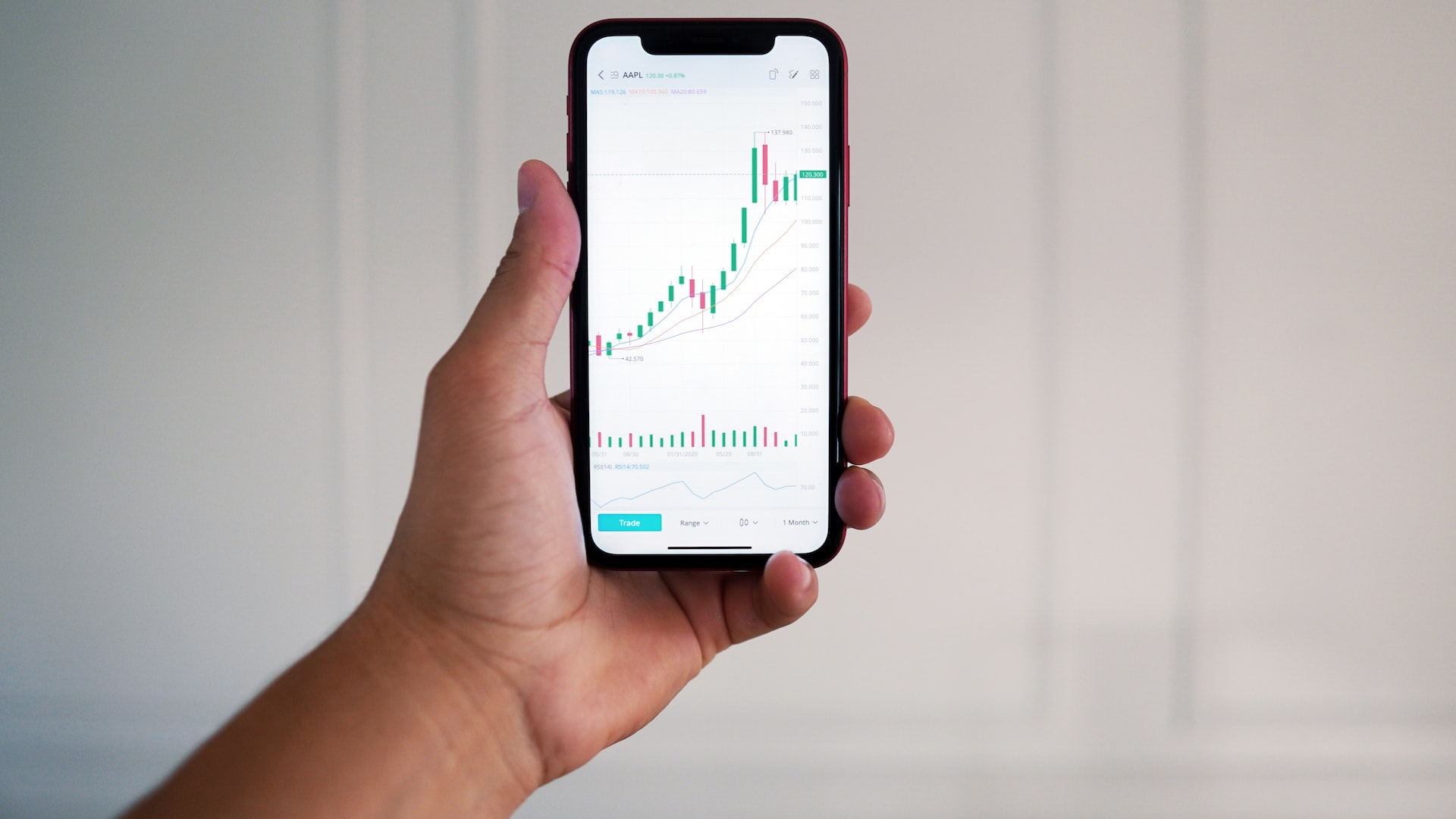
Technical analysis is a widely used approach to forex market timing. Traders analyze historical price data, charts, and indicators to identify patterns, trends, and potential entry or exit points. By applying technical analysis tools, such as moving averages, oscillators, and support/resistance levels, traders can make informed decisions about when to enter or exit trades. Technical analysis can help traders identify potential market reversals, confirm trends, and determine optimal timing for their trading activities.
Conclusion
Forex market timing strategies play a crucial role in successful trading. By considering session-based timing, economic event-based timing, and technical analysis-based timing, traders can optimize their trading activities and increase their chances of profitability. It is important to remember that market timing strategies should be tailored to individual trading preferences, risk tolerance, and trading style. Continual learning, practice, and adaptation are key to mastering forex market timing strategies and achieving long-term trading success.