Introduction
Choosing the right forex broker is a critical step for any trader. With numerous brokers available in the market, it is essential to evaluate them based on various factors to ensure they meet your trading needs. In this blog post, we will discuss the key factors you should consider when evaluating forex brokers, helping you make an informed decision.
1. Regulation and Security
Regulation is a crucial factor to consider when evaluating forex brokers. Regulated brokers operate under the supervision of financial authorities, which helps ensure they adhere to strict standards and provide a secure trading environment. Look for brokers regulated by reputable regulatory bodies, such as the Financial Conduct Authority (FCA), the Cyprus Securities and Exchange Commission (CySEC), or the Australian Securities and Investments Commission (ASIC). Regulation helps protect your funds and provides recourse in case of any disputes or issues.
2. Trading Costs
Trading costs can significantly impact your trading profitability. When evaluating forex brokers, consider the spreads they offer, which is the difference between the bid and ask prices. Tighter spreads generally indicate lower trading costs. Additionally, consider any commissions charged by the broker. Some brokers offer commission-free trading but compensate by widening the spreads. It’s essential to understand the overall trading costs involved and compare them across different brokers to find the most cost-effective option.
3. Trading Platforms and Tools
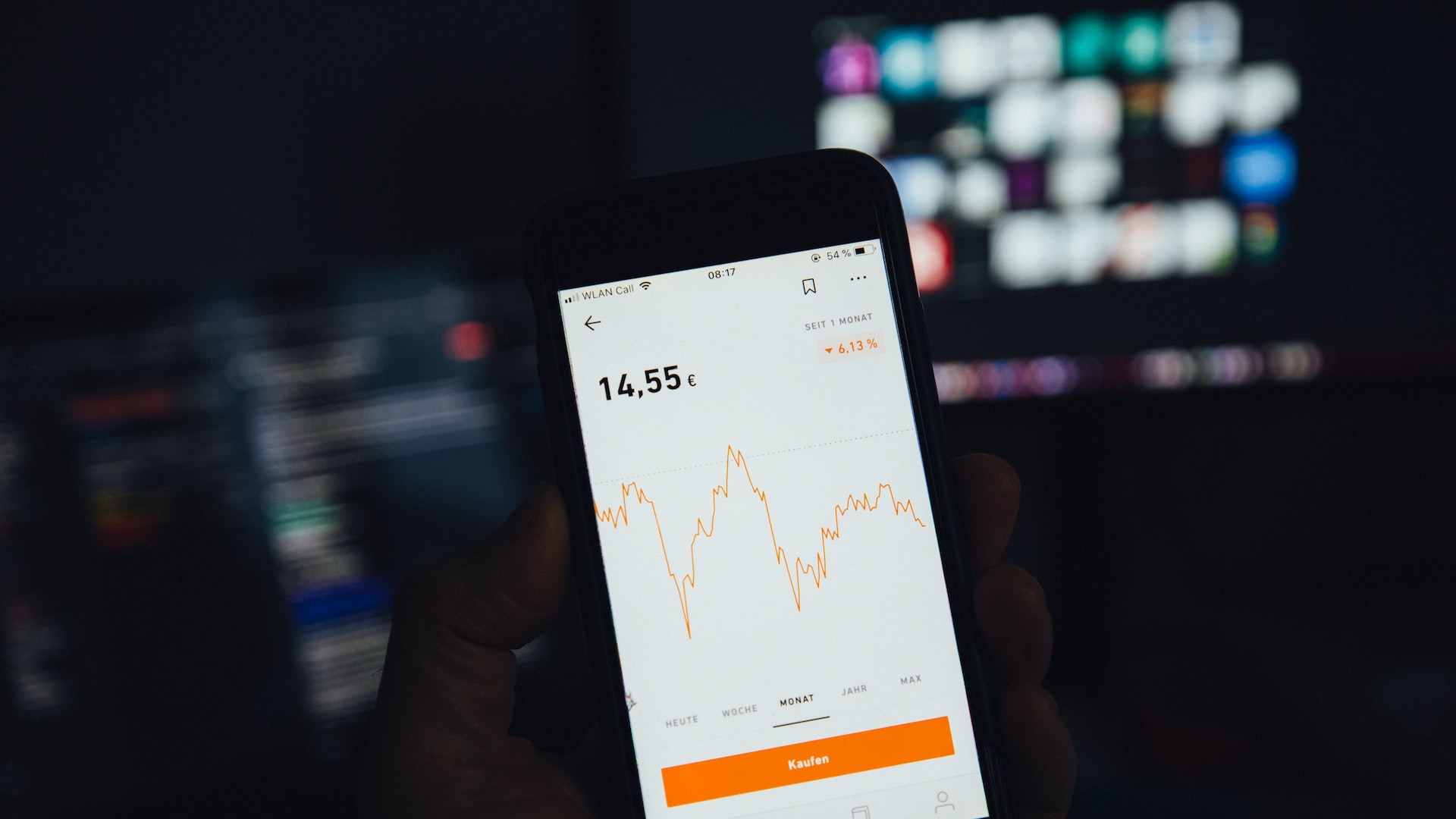
The trading platform provided by a forex broker plays a crucial role in your trading experience. Evaluate the available trading platforms and assess their user-friendliness, stability, and functionality. Look for platforms that offer advanced charting tools, order types, and customization options. Additionally, consider whether the broker offers mobile trading platforms, as this allows you to trade on the go. A reliable and feature-rich trading platform can enhance your trading efficiency and effectiveness.
4. Customer Support
Good customer support is essential when dealing with a forex broker. Evaluate the level of customer support provided by the broker, including the availability of support channels such as phone, email, or live chat. Consider the responsiveness and helpfulness of the support team, as you may require assistance at various stages of your trading journey. A broker with efficient and reliable customer support can help address any issues or concerns promptly, ensuring a smooth trading experience.
5. Range of Tradable Instruments
Consider the range of tradable instruments offered by the broker. While forex is the primary focus, you may also be interested in trading other financial instruments such as commodities, indices, or cryptocurrencies. Assess whether the broker provides access to the markets and assets you wish to trade. Additionally, consider the availability of different currency pairs, as having a wide selection allows you to diversify your trading strategies.
6. Educational Resources
Educational resources provided by forex brokers can be valuable, especially for beginner traders. Evaluate whether the broker offers educational materials, such as trading guides, webinars, or video tutorials. These resources can help you learn about forex trading concepts, technical analysis, risk management, and trading strategies. A broker that invests in educational resources demonstrates a commitment to their clients’ success.
Conclusion
Evaluating forex brokers based on key factors such as regulation and security, trading costs, trading platforms and tools, customer support, range of tradable instruments, and educational resources is crucial to making an informed decision. By considering these factors, you can find a broker that aligns with your trading needs and provides a secure and rewarding trading experience. Remember to thoroughly research and compare different brokers before making your final choice.