How Do I Choose the Right Trading Platform for Me?
Choosing the right trading platform is a crucial decision for any trader. It can greatly impact your trading experience, execution speed, available features, and ultimately, your success in the financial markets. With numerous options available, finding the platform that suits your needs can be overwhelming. In this article, we will guide you through the process of selecting the right trading platform for you.
1. Determine Your Trading Goals and Style
Before evaluating different trading platforms, it’s important to identify your trading goals and style. Are you a long-term investor or an active day trader? Do you primarily trade stocks, forex, cryptocurrencies, or other financial instruments? Understanding your trading preferences will help you narrow down the platforms that cater to your specific needs.
2. Consider User-Friendliness and Interface
When choosing a trading platform, user-friendliness and a well-designed interface are essential. You want a platform that is intuitive and easy to navigate, allowing you to execute trades efficiently. Look for platforms with customizable layouts and a clear presentation of market data.
3. Assess Available Trading Tools and Features
Each trading platform offers a different set of tools and features. Consider the following factors:
3.1 Charting and Technical Analysis Tools
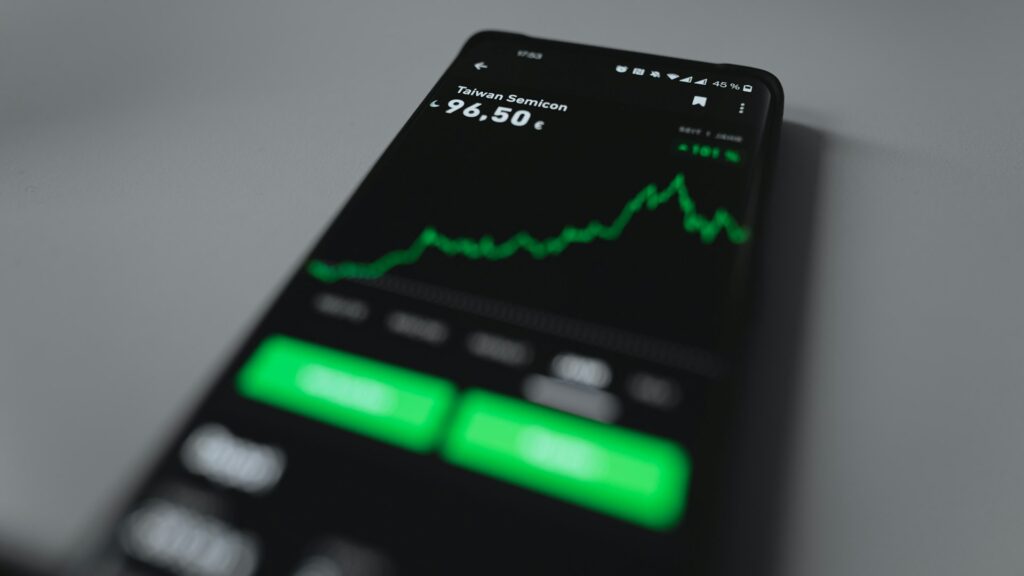
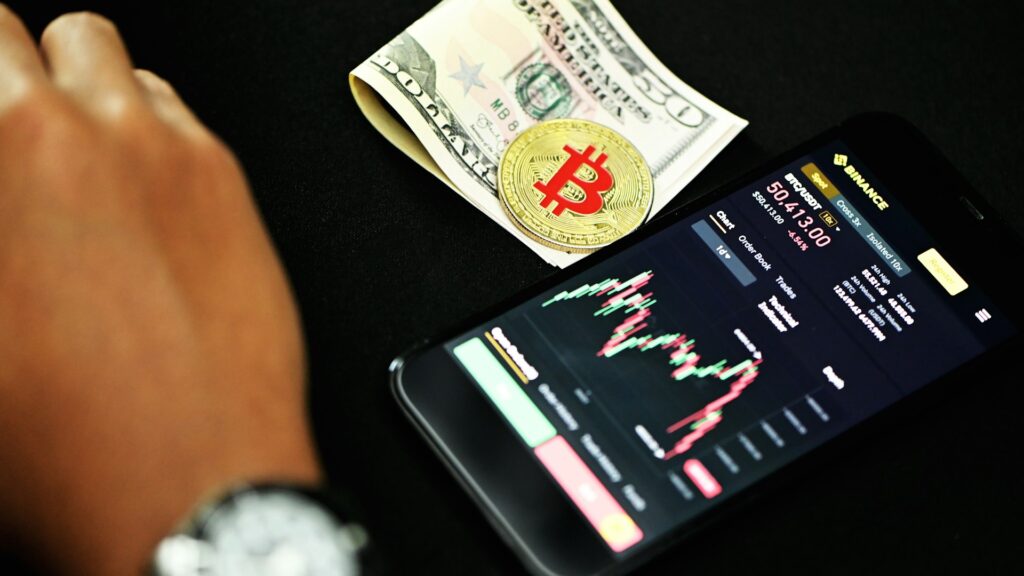
Robust charting capabilities and technical analysis tools are vital for traders. Look for platforms that provide a wide range of indicators, drawing tools, and chart types. Advanced features like backtesting and automated trading can also be valuable for certain traders.
3.2 Order Types and Execution Speed
Ensure that the trading platform supports the order types you prefer, such as market orders, limit orders, stop orders, and trailing stops. Additionally, fast and reliable execution is crucial, especially for day traders who rely on quick order placement and timely trade execution.
3.3 Research and News Integration
Consider whether the platform provides access to real-time market news, research reports, and fundamental data. These resources can help you make informed trading decisions and stay updated on market developments.
3.4 Mobile Trading
If you prefer trading on the go, look for platforms that offer robust mobile trading apps. Mobile apps should provide a similar trading experience as the desktop version, allowing you to monitor your positions and execute trades from your smartphone or tablet.
4. Evaluate Security and Regulation
Security should be a top priority when selecting a trading platform. Ensure that the platform adheres to industry-standard security protocols, such as encryption of sensitive data and two-factor authentication. Additionally, consider whether the platform is regulated by a reputable financial authority, as this provides an extra layer of protection for your investments.
5. Consider Costs and Fees
Trading platforms may charge various fees, including commissions, spreads, account maintenance fees, and data fees. It’s important to understand the fee structure and consider how it aligns with your trading strategy and budget. Compare the costs across different platforms to find the most cost-effective option for your trading needs.
6. Read User Reviews and Seek Recommendations
Before making a final decision, read user reviews and seek recommendations from other traders. Pay attention to both positive and negative feedback to get a comprehensive understanding of the platform’s pros and cons. Additionally, consider joining online trading communities or forums where traders discuss their experiences with different platforms.
Conclusion
Choosing the right trading platform is a critical step in your trading journey. By determining your trading goals, considering user-friendliness, assessing available tools and features, evaluating security and regulation, considering costs and fees, and seeking recommendations, you can find a platform that aligns with your needs and preferences.
Remember, the perfect trading platform may vary for each trader, so take your time to research and try out different platforms before committing to one. A reliable and suitable trading platform can provide you with the necessary tools and resources to execute your trading strategy effectively and achieve your financial goals.