Introduction
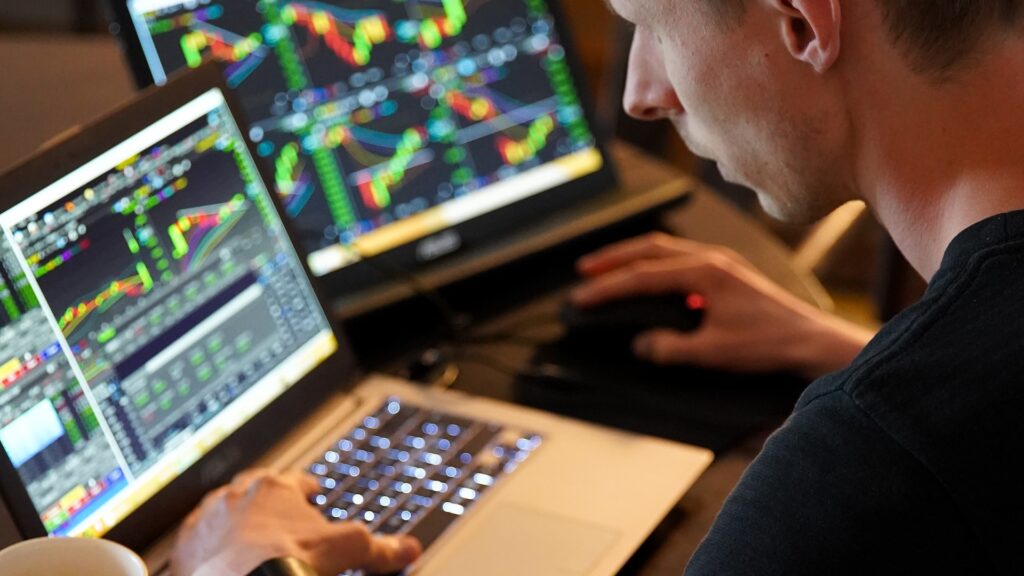
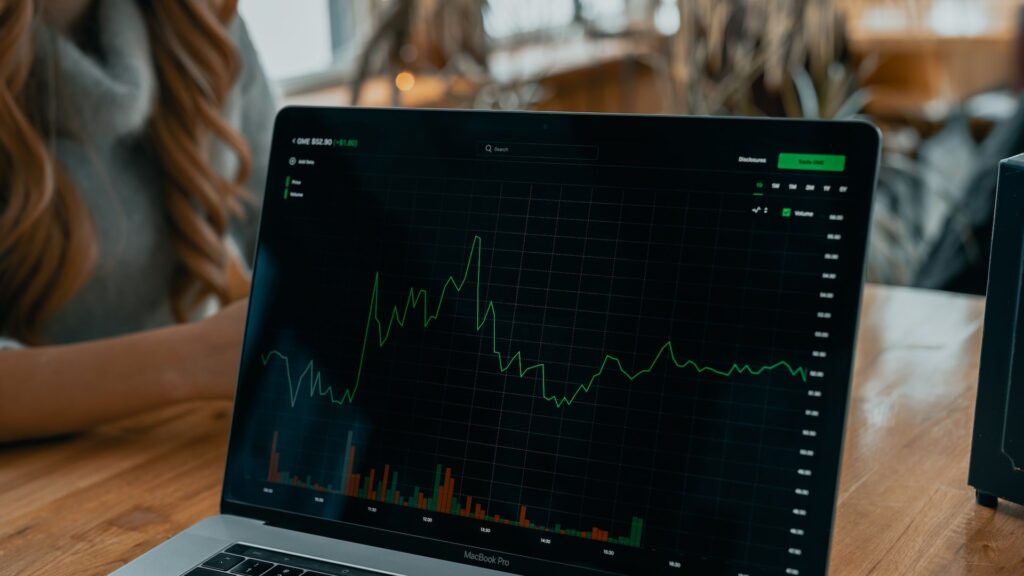
Forex trading is not only about numbers, charts, and technical analysis. It also involves the psychological aspect of the traders themselves. Understanding the psychology behind forex trading is crucial for success in the financial markets. This article explores the psychological factors that influence forex trading and how traders can utilize this knowledge to their advantage.
1. Emotions and Trading
Emotions play a significant role in forex trading. Fear and greed are the two primary emotions that can impact trading decisions. Fear can lead to hesitation or avoidance of profitable trades, while greed can result in impulsive and irrational decision-making. Managing emotions is essential for making logical and objective trading decisions.
2. Risk Perception and Risk Management
Perception of risk varies from trader to trader and can influence their trading strategies. Some traders are more risk-averse, while others are comfortable taking higher risks. Understanding one’s risk tolerance and implementing effective risk management strategies is crucial. Traders should set appropriate stop-loss orders, diversify their portfolio, and avoid over-leveraging to minimize potential losses and manage risk effectively.
3. Overcoming Cognitive Biases
Cognitive biases are inherent in human thinking and can affect trading decisions. Confirmation bias, where traders seek information that supports their existing beliefs, and anchoring bias, where traders rely too heavily on initial information, are common cognitive biases in forex trading. Overcoming these biases requires self-awareness, critical thinking, and a willingness to challenge one’s own assumptions.
4. Patience and Discipline
Forex trading requires patience and discipline. Traders must wait for the right opportunities to arise and stick to their trading strategies. Impulsive decisions driven by emotions or the desire for instant gratification can lead to poor trading outcomes. Developing patience and discipline is essential for maintaining a long-term perspective and avoiding emotional reactions.
5. Mindset and Learning
Adopting the right mindset is crucial for forex trading success. Traders should have a growth mindset, viewing losses and mistakes as learning opportunities rather than failures. Continuous learning, keeping up with market trends, and analyzing trading performance can help traders improve their strategies and decision-making abilities over time.
Conclusion
The psychology behind forex trading is a critical aspect that can significantly impact trading outcomes. Understanding and managing emotions, perceiving and managing risk effectively, overcoming cognitive biases, practicing patience and discipline, and adopting a growth mindset are key elements of successful forex trading psychology. Traders who prioritize and develop their psychological skills alongside their technical analysis and trading strategies are more likely to achieve long-term success in the dynamic and challenging world of forex trading.