Introduction to Demo Accounts
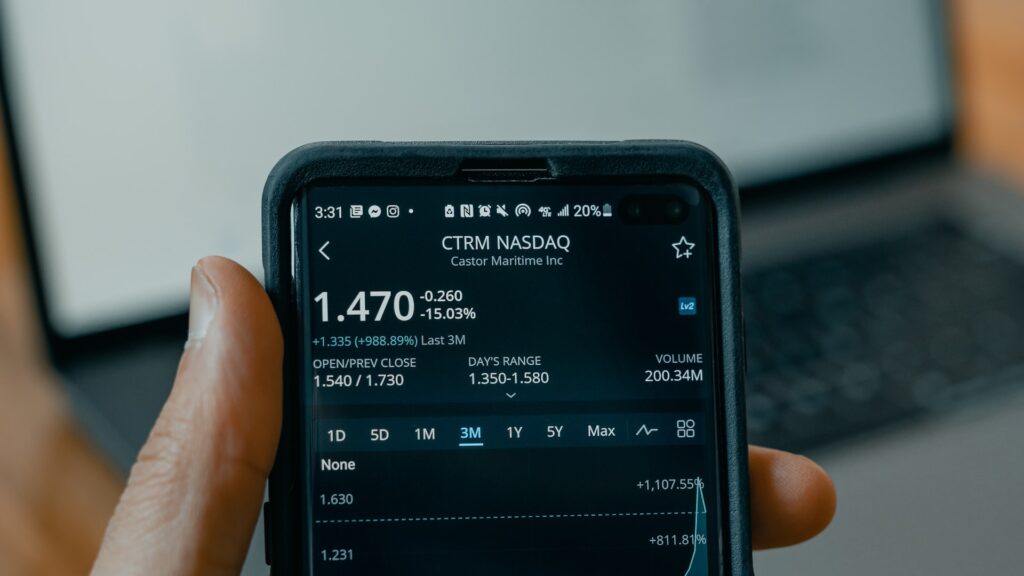
Before diving into the strategies, let’s briefly discuss what a demo account is. A demo account is a simulated trading account provided by forex brokers. It allows traders to practice trading in real market conditions without risking actual funds. Demo accounts provide access to live market prices and trading tools, enabling traders to execute trades and test strategies.
Section 2: Strategies to Practice on a Demo Account
Subsection 2.1: Trend Following
Trend following is a popular strategy among forex traders. It involves identifying and trading in the direction of established market trends. On a demo account, you can practice identifying trends using technical indicators like moving averages, trendlines, and the Relative Strength Index (RSI). Test your ability to enter trades in the direction of the trend and manage them effectively.
Subsection 2.2: Breakout Trading
Breakout trading is a strategy that involves entering trades when price breaks through a significant support or resistance level. On a demo account, you can practice identifying potential breakout levels using chart patterns like triangles, rectangles, or channels. Test your ability to enter trades when a breakout occurs, and manage the trades with appropriate stop-loss and take-profit levels.
Subsection 2.3: Range Trading
Range trading involves identifying and trading within a range-bound market, where price oscillates between established support and resistance levels. On a demo account, you can practice identifying range-bound markets using indicators like Bollinger Bands, the Average True Range (ATR), or by visually identifying horizontal price levels. Test your ability to enter trades near support or resistance levels and exit them as price reaches the opposite boundary of the range.
Subsection 2.4: Scalping
Scalping is a short-term trading strategy that aims to capture small price movements. On a demo account, you can practice scalping by executing trades based on quick price fluctuations. Test your ability to identify volatile currency pairs, use fast execution methods, and manage trades with tight stop-loss and take-profit levels.
Subsection 2.5: Risk Management and Position Sizing
Effective risk management and position sizing are crucial aspects of successful trading. On a demo account, you can practice different risk management techniques, such as setting appropriate stop-loss levels and determining position sizes based on your risk tolerance and account size. Test different position sizing methods like fixed lot sizes or percentage-based risk allocation.
Section 3: Tips for Practicing Strategies on a Demo Account
Subsection 3.1: Keep a Trading Journal
Maintaining a trading journal while practicing strategies on a demo account is beneficial. Record your trades, including entry and exit points, reasons for entering trades, and any observations or lessons learned. Analyzing your trading journal will help you identify patterns, strengths, and weaknesses in your strategy execution.
Subsection 3.2: Set Realistic Goals
When practicing strategies on a demo account, set specific and achievable goals. Define what you aim to accomplish, whether it’s improving your win rate, increasing profitability, or reducing drawdowns. Setting clear goals will help you stay focused and measure your progress effectively.
Subsection 3.3: Emphasize Quality over Quantity
Instead of focusing on the number of trades executed, prioritize the quality of your trades. Concentrate on executing trades based on your chosen strategy’s criteria and following your risk management rules. Quality practice with a limited number of trades can yield better results than haphazardly executing numerous trades.
Conclusion
A demo account is an excellent platform for practicing various trading strategies without risking real money. By utilizing a demo account, you can gain valuable experience and refine your approach in trend following, breakout trading, range trading, scalping, and risk management. Remember to keep a trading journal, set realistic goals, and focus on the quality of your trades. With consistent practice on a demo account, you can enhance your trading skills and increase your chances of success in the forex market.