How Can I Compare Different US Forex Brokers?
Comparing different US forex brokers is an essential step in finding the right one for your trading needs. With several options available, it’s important to consider various factors to ensure a reliable and suitable broker. In this article, we will discuss the key steps you can take to compare different US forex brokers effectively.
Section 1: Research and Reviews
Start by conducting thorough research on different US forex brokers. Look for information about their reputation, track record, and regulatory compliance. Read reviews from other traders to gain insights into their experiences with different brokers. This initial research will help you create a shortlist of brokers to compare further.
Section 2: Regulatory Compliance
Ensure that the forex brokers you are considering are registered with the Commodity Futures Trading Commission (CFTC) and are members of the National Futures Association (NFA). Regulatory compliance is crucial for the safety of your funds and the overall integrity of the trading environment. Only consider brokers that adhere to these regulatory standards.
Section 3: Trading Costs
Compare the trading costs offered by different brokers. Assess factors such as spreads, commissions, and any additional fees charged by the broker. Lower trading costs can have a significant impact on your profitability, so evaluate these costs carefully. However, keep in mind that extremely low costs may sometimes indicate a lack of reliable execution or other potential drawbacks, so strike a balance between cost and quality.
Section 4: Trading Platform and Tools
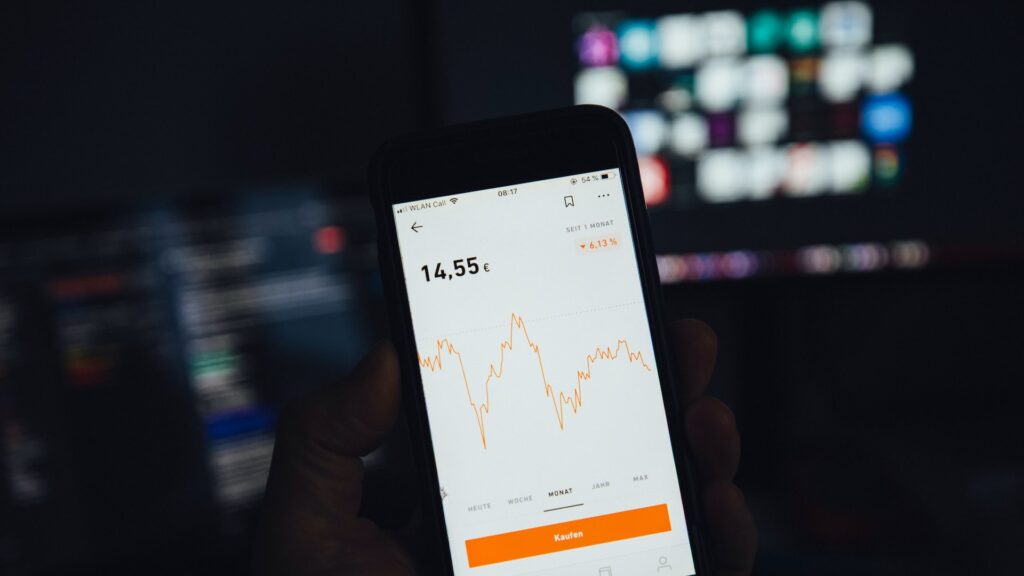
Evaluate the trading platforms provided by each broker. Consider factors such as user-friendliness, functionality, and the availability of advanced trading tools. A robust trading platform with a wide range of tools and features can enhance your trading experience and improve your decision-making process. Test out demo accounts or free trials to get a feel for the platform’s usability.
Section 5: Tradable Instruments
Consider the range of tradable instruments offered by each broker. Ensure that the broker provides access to the currency pairs or other financial instruments you wish to trade. If you have specific trading preferences, such as exotic currency pairs or commodities, make sure the broker supports them. A diverse range of tradable instruments allows for greater trading opportunities and flexibility.
Section 6: Customer Support
Evaluate the customer support services of each broker. Consider the availability of different support channels such as live chat, phone support, or email. Test their response times and the quality of their support by asking questions or seeking assistance. Prompt and helpful customer support is crucial, especially during times of technical difficulties or when you have urgent inquiries.
Section 7: Educational Resources
Assess the availability of educational resources offered by the brokers. Look for tutorials, webinars, articles, or trading guides that can help you enhance your trading knowledge and skills. Brokers that provide educational resources demonstrate their commitment to client success and can be valuable for traders looking to improve their strategies.
Section 8: Account Types and Minimum Deposit
Compare the different account types offered by each broker. Consider whether they offer demo accounts for practice or different account tiers for experienced traders. Additionally, evaluate the minimum deposit required to open an account. Ensure that the account types and minimum deposit align with your trading goals and financial situation.
Section 9: Additional Features and Services
Take into account any additional features and services offered by the brokers. This may include access to market analysis tools, social trading capabilities, or research materials. These additional features can add value to your trading experience and provide you with an edge in the market.
Conclusion
Comparing different US forex brokers requires careful consideration of various factors. By conducting thorough research, evaluating regulatory compliance, comparing trading costs, assessing trading platforms and tools, considering tradable instruments, customer support, educational resources, account types, and additional features, you can make an informed decision. Remember that the best broker for you will depend on your individual trading needs and preferences. Take the time to compare different options to find a reliable and suitable broker that can support your trading journey.