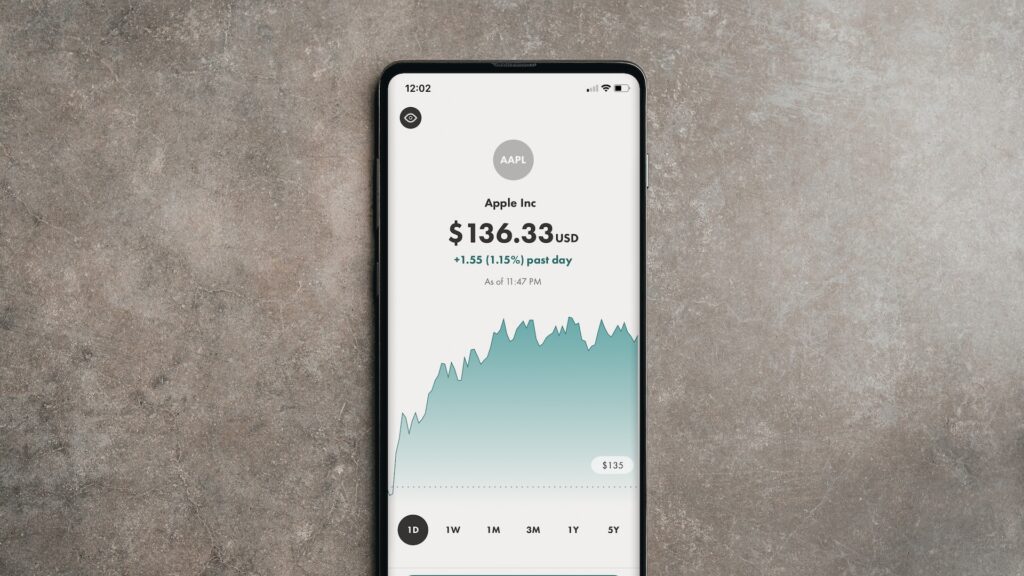
How to Compare Different US Regulated Forex Brokers
Comparing different US regulated forex brokers is an essential step in finding the right broker for your trading needs. With numerous options available, it can be overwhelming to make a decision. In this blog post, we will guide you through the key factors to consider when comparing US regulated forex brokers.
Section 1: Regulatory Compliance
Start by ensuring that the brokers you are considering are regulated by reputable regulatory bodies such as the Commodity Futures Trading Commission (CFTC) and the National Futures Association (NFA). Regulatory compliance ensures that the broker operates within established guidelines, providing a certain level of protection for your funds.
Section 2: Trading Costs
Compare the trading costs of different brokers, including spreads, commissions, and any additional fees. Lower costs can be advantageous, but be sure to consider the overall quality of service provided by the broker. Some brokers may offer tighter spreads but charge higher commissions, while others may have wider spreads but lower commissions.
Section 3: Trading Platform and Tools
Examine the trading platform and tools provided by each broker. A user-friendly and stable platform with advanced features can enhance your trading experience. Look for features such as real-time market data, charting tools, order execution speed, and availability of mobile trading options. Consider which platform best suits your trading style and preferences.
Section 4: Tradable Instruments
Consider the range of tradable instruments offered by each broker. The more diverse the selection of currency pairs, the greater your trading opportunities. Additionally, check if the broker offers other financial instruments like commodities, indices, or cryptocurrencies if you have an interest in trading these assets.
Section 5: Customer Support
Assess the quality and availability of customer support provided by each broker. Prompt and efficient customer support is crucial when dealing with a forex broker. Look for brokers that offer responsive support through various channels such as live chat, email, or phone. Consider whether they provide support in your preferred language and if their support team is knowledgeable and helpful.
Section 6: Security and Reliability
Security is paramount when entrusting your funds to a forex broker. Research the security measures implemented by each broker to protect your personal and financial information. Look for brokers that use encryption technology for data transmission and have robust security systems in place to prevent unauthorized access. Consider the broker’s reliability through their uptime and server stability.
Section 7: Educational Resources
Educational resources can be valuable, especially for beginner traders. Evaluate the educational materials provided by each broker, such as trading tutorials, webinars, or market analysis. Brokers that offer educational resources can help you enhance your trading skills and knowledge, ultimately improving your trading performance.
Section 8: Reputation and Reviews
Research the reputation of each broker by reading reviews and feedback from other traders. Look for brokers with a positive track record and a good reputation within the industry. Consider factors such as the broker’s longevity, transparency, and commitment to fair practices. However, be cautious and consider multiple sources to get a balanced view.
Section 9: Conclusion
When comparing different US regulated forex brokers, consider factors such as regulatory compliance, trading costs, trading platform and tools, tradable instruments, customer support, security and reliability, educational resources, and the broker’s reputation. By carefully evaluating these factors, you can make an informed decision and select a broker that aligns with your trading goals and preferences.