What Strategies Can I Use for Successful Forex Trading with an Interactive Broker?
Successful forex trading requires a combination of knowledge, skill, and effective strategies. When trading with an interactive broker, you have access to various tools and resources that can help you implement these strategies and achieve your trading goals. In this blog post, we will discuss some strategies you can use for successful forex trading with an interactive broker.
1. Develop a Solid Trading Plan
A well-defined trading plan is the foundation for successful forex trading. Start by setting clear goals and objectives for your trading. Determine your risk tolerance, preferred trading style, and the amount of capital you are willing to risk. Your trading plan should outline entry and exit points, risk management strategies, and guidelines for trade execution. Stick to your plan and avoid impulsive decisions based on emotions.
2. Use Technical Analysis
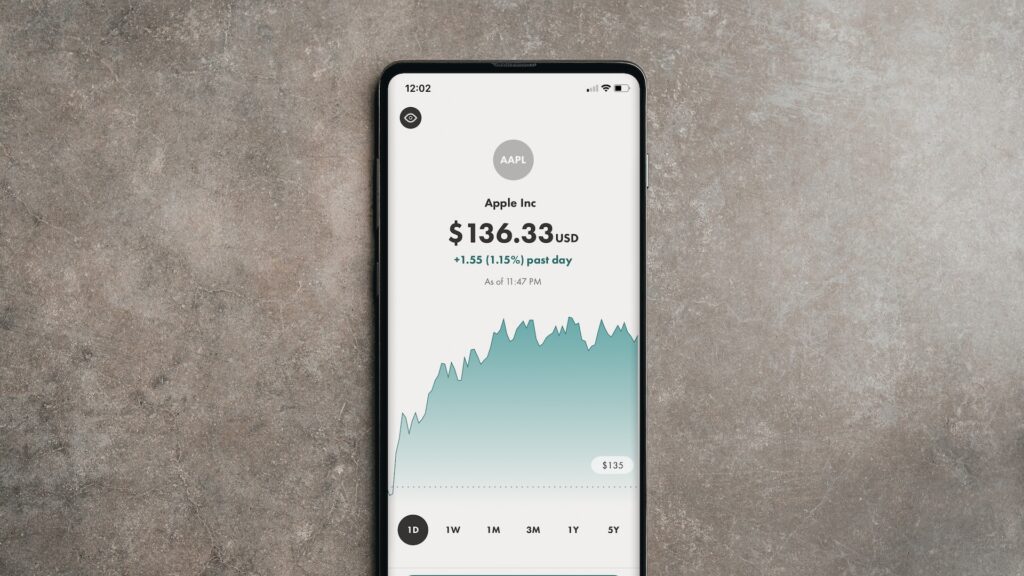
Technical analysis involves studying price charts, patterns, and indicators to make trading decisions. Utilize various technical analysis tools offered by your interactive broker, such as moving averages, trend lines, and oscillators. These tools can help you identify potential trade opportunities and analyze market trends. Combine technical analysis with fundamental analysis to get a comprehensive view of the market.
3. Implement Risk Management Strategies
Effective risk management is crucial for long-term success in forex trading. Set appropriate stop-loss and take-profit levels for each trade to limit potential losses and protect your profits. Consider using a risk-reward ratio to ensure that your potential profit is greater than your potential loss. Additionally, avoid risking a significant portion of your capital on a single trade, as it can lead to substantial losses.
4. Stay Informed with Fundamental Analysis
Stay updated with economic news and events that can impact currency markets. Fundamental analysis involves analyzing economic indicators, central bank decisions, geopolitical events, and other factors that influence currency values. Your interactive broker may provide access to real-time news feeds and economic calendars, allowing you to make informed trading decisions based on fundamental analysis.
5. Utilize Stop-Loss and Take-Profit Orders
Stop-loss and take-profit orders are essential tools for managing trades and minimizing risk. A stop-loss order automatically closes a trade when the market reaches a specified price level, limiting potential losses. A take-profit order closes a trade when the market reaches a specified profit level, securing your gains. Use these orders to ensure that your trades are automatically managed according to your predetermined levels.
6. Practice Proper Money Management
Proper money management is key to long-term success in forex trading. Determine the appropriate position size for each trade based on your account size and risk tolerance. Avoid overtrading or taking excessive risks that can deplete your trading capital. Consider using a risk-per-trade percentage to ensure that you are not risking more than a certain percentage of your account on any single trade.
7. Continuously Learn and Adapt
Forex markets are dynamic and constantly changing. Continuously learn and adapt your trading strategies based on market conditions and your own experiences. Keep a trading journal to record your trades, analyze your performance, and learn from both your successful and unsuccessful trades. Stay updated with market trends, attend webinars, read books, and learn from experienced traders to enhance your trading skills.
Conclusion
Successful forex trading with an interactive broker requires a combination of effective strategies and proper risk management. By developing a solid trading plan, utilizing technical and fundamental analysis, implementing risk management strategies, utilizing stop-loss and take-profit orders, practicing proper money management, and continuously learning and adapting, you can increase your chances of success in the forex market. Remember that forex trading involves risks, and it’s important to trade responsibly and make informed decisions based on your own analysis and research.